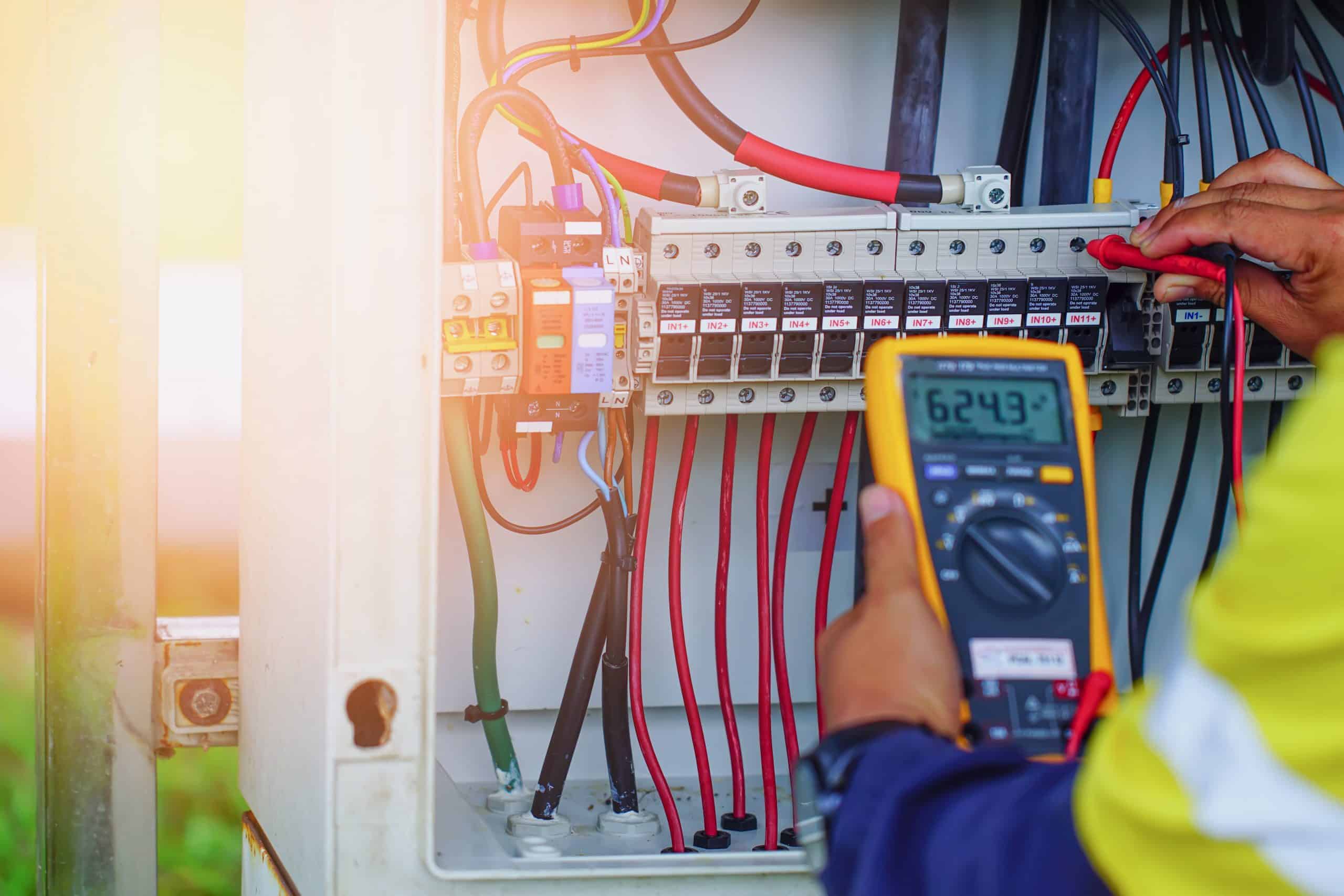
Hiring unlicensed electrical help might save money upfront, but it could cost you thousands in repairs, fines, and insurance claims later.
Share:
Summary:
In Texas, being a “licensed electrician” involves much more than just knowing how to work with wires. The state requires specific credentials that take years to earn and maintain.
Every legitimate electrical contractor must hold a Texas Electrical Contractor License (TECL) issued by the Texas Department of Licensing and Regulation (TDLR). This isn’t optional—it’s the law. Anyone performing electrical work in Texas must be licensed and work through a licensed electrical contractor.
The licensing process is rigorous for good reason. It ensures that the person working on your electrical system has the training, experience, and accountability needed to keep you safe.

Getting a Texas Electrical Contractor License isn’t something you can do over a weekend. The requirements are designed to weed out anyone who isn’t serious about electrical safety and professional standards.
First, the contractor must employ a licensed Master Electrician who supervises all electrical work. This Master Electrician needs at least 12,000 hours of on-the-job training under another Master Electrician, plus they must hold a journeyman license for at least two years. That’s roughly six years of supervised experience before they can even qualify to supervise others.
The business must also be registered as a legal entity in Texas and maintain specific insurance coverage. We’re talking about minimum $300,000 per occurrence for property damage and bodily injury, $600,000 aggregate coverage, and $300,000 for products and completed operations. Plus, workers’ compensation coverage is required.
These aren’t just bureaucratic hoops to jump through. Each requirement exists because something went wrong in the past—badly wrong. The insurance requirements alone tell you that the state knows electrical work can cause serious damage when done incorrectly.
Licensed contractors must also stay current with the National Electrical Code (NEC), which gets updated regularly. The 2023 NEC took effect in September 2023, and professional electricians are required to complete continuing education to stay informed about new safety standards and techniques.
When you hire a licensed electrical contractor in Tarrant County, Dallas County, or Denton County, you’re getting someone who has met all these requirements and maintains them annually. That’s accountability you simply can’t get from unlicensed help.
Here’s where the rubber meets the road: insurance isn’t just about protecting the contractor—it’s about protecting you and your property.
When a licensed electrical contractor carries the required insurance, you’re covered if something goes wrong. If our work causes a fire, damages your property, or injures someone, our insurance steps in. Without that coverage, guess who’s responsible for the bills? That’s right—you are.
But it goes deeper than just having insurance. Licensed contractors must prove we have this coverage before we can even get our license, and we must maintain it to keep our license active. The state verifies this annually. If our insurance lapses, our license gets suspended.
Unlicensed workers typically don’t carry any insurance at all. Even if they claim to have it, there’s no regulatory body verifying that coverage or ensuring it meets minimum standards. You’re essentially taking their word for it—and if you’re wrong, you could be looking at tens of thousands in damages with no recourse.
Workers’ compensation is another critical piece. If an unlicensed worker gets injured on your property, you could be liable for their medical bills and lost wages. Licensed contractors are required to have workers’ comp coverage, which protects both our employees and you as the property owner.
The peace of mind alone is worth the difference in cost. You’re not just paying for electrical work—you’re paying for protection against catastrophic financial loss.
The temptation to save money with unlicensed help is understandable, especially when the price difference seems significant. But those savings can evaporate quickly when you factor in the real risks you’re taking on.
Unlicensed electricians often lack the training and certifications needed to perform electrical work safely. They might know enough to get the lights working, but do they understand proper grounding techniques, load calculations, or code requirements? The answer is often no.
This knowledge gap leads to dangerous shortcuts and substandard work that puts your property and family at risk.

Electrical work done incorrectly doesn’t just fail—it fails dangerously. Faulty wiring is one of the leading causes of house fires, and improper installations can create electrocution hazards that put your family at risk.
Unlicensed workers frequently use the wrong wire sizes, which can cause overheating and fire hazards. They might skip proper grounding, leading to electrical shocks and equipment damage. They often don’t understand load calculations, which can result in dangerous circuit overloads.
Perhaps most concerning, they might not follow current safety codes. The National Electrical Code exists because people have been seriously injured or killed when these standards weren’t followed. Professional electricians are required to know and follow these codes. Unlicensed workers? There’s no guarantee they even know the codes exist.
Emergency situations reveal the biggest gaps in knowledge. When something goes wrong with electrical work, unlicensed electricians often make risky decisions that compound the problem. They might try to fix their mistakes with more shortcuts, creating even greater hazards.
The reality is that electrical work looks simpler than it actually is. Running wire from point A to point B seems straightforward, but there are dozens of safety considerations that aren’t obvious to someone without proper training. Things like proper box fill calculations, conductor ampacity ratings, and fault current considerations—details that can mean the difference between safe operation and catastrophic failure.
Homeowners in Tarrant County, Dallas County, and Denton County deserve better than guesswork when it comes to electrical safety. Licensed electrical contractors bring the knowledge and accountability that unlicensed workers simply can’t match.
Beyond the safety risks, hiring unlicensed electrical help can create legal and financial problems that many homeowners never see coming.
Many municipalities have strict regulations against unlicensed electrical work. If you’re caught using unlicensed contractors, you could face fines and be required to have all the work redone by a licensed professional—at your expense. Some areas require permits for electrical work, and unlicensed workers often skip this step, leaving you to deal with code enforcement issues later.
Your homeowner’s insurance policy might not cover damages caused by unlicensed electrical work. Insurance companies can deny claims if they determine that unlicensed work contributed to the damage. Even if you didn’t know the worker was unlicensed, you could still be left holding the bag for repairs.
When it comes time to sell your home, unlicensed electrical work can become a major obstacle. Home inspectors flag unpermitted or non-code-compliant work, and buyers often demand that it be corrected before closing. You might find yourself paying twice—once for the original unlicensed work and again to have it done properly.
If someone gets injured due to faulty electrical work, you could face personal liability lawsuits. Without the contractor’s insurance to cover the claim, you’re exposed to potentially devastating financial consequences. Legal fees alone can run into the tens of thousands, even if you ultimately prevail in court.
The warranty issue is another consideration many people overlook. Licensed electrical contractors typically guarantee our work and will return to fix problems. Unlicensed workers often disappear after the job is done, leaving you with no recourse if issues arise. You might save money upfront, but you lose all protection for future problems.
The decision between licensed and unlicensed electrical help really comes down to risk management. You can save money upfront with unlicensed help, but you’re essentially gambling with your family’s safety and your financial security.
Licensed electrical contractors bring training, insurance, accountability, and regulatory oversight that unlicensed workers simply can’t match. Yes, you’ll pay more, but you’re paying for protection that could save you thousands—or even save lives—down the road.
When you’re ready to make the smart choice for your electrical needs in Tarrant County, Dallas County, or Denton County, we at Carroll Service Co offer the experience, licensing, and peace of mind you deserve. With over 25 years of experience and an A+ BBB rating, we understand that doing electrical work right the first time is always less expensive than fixing it later.
Article details:
Share:
Continue learning: