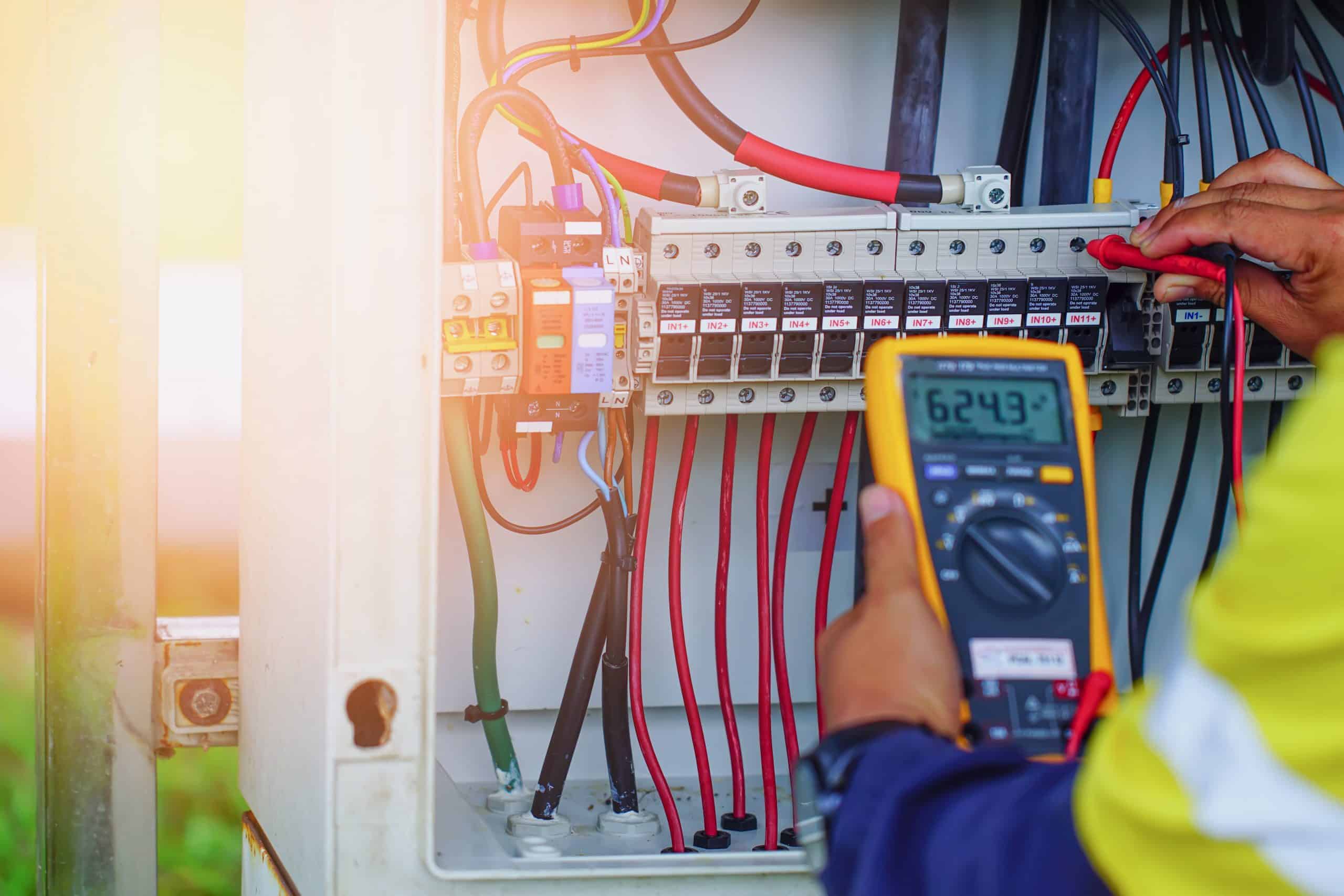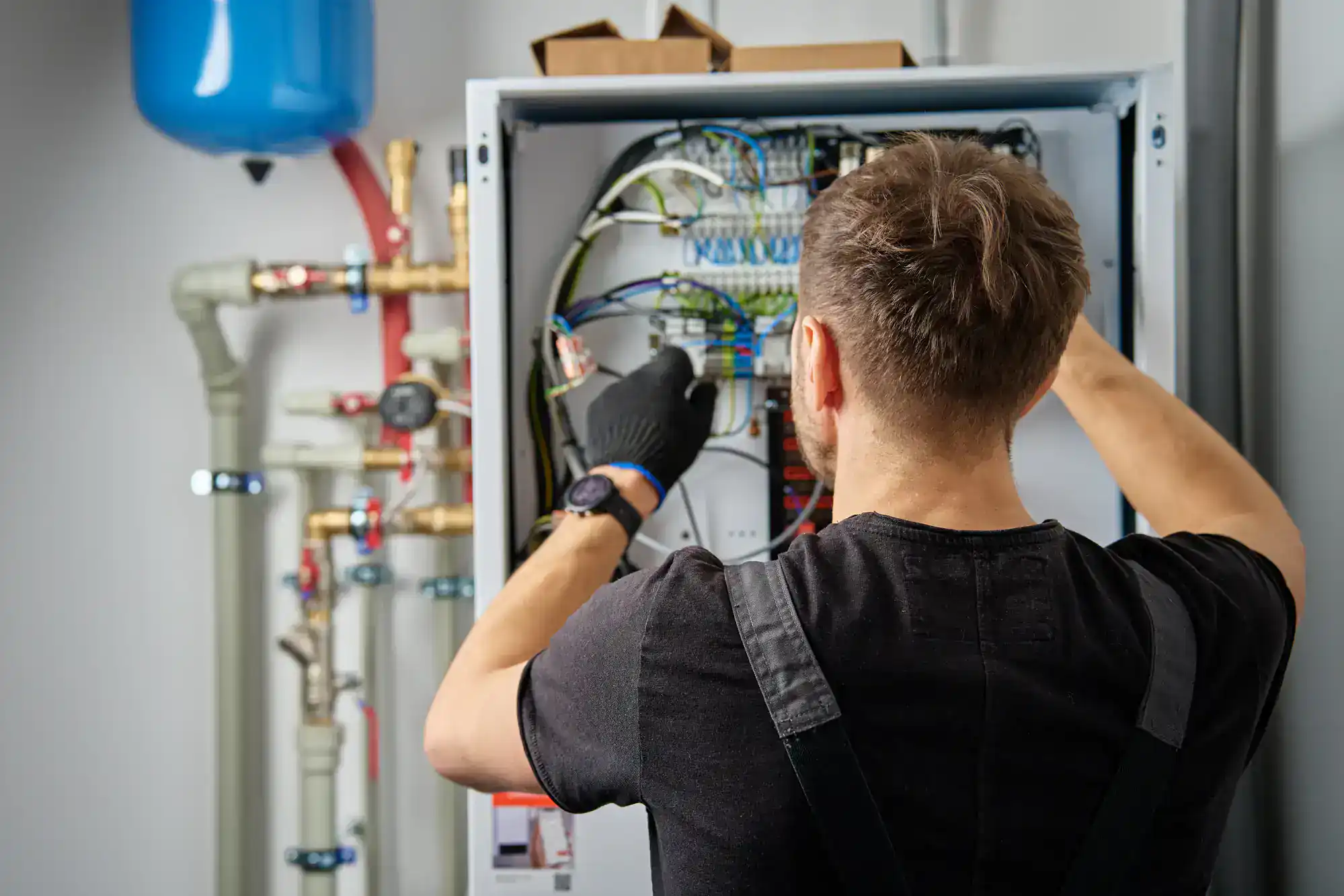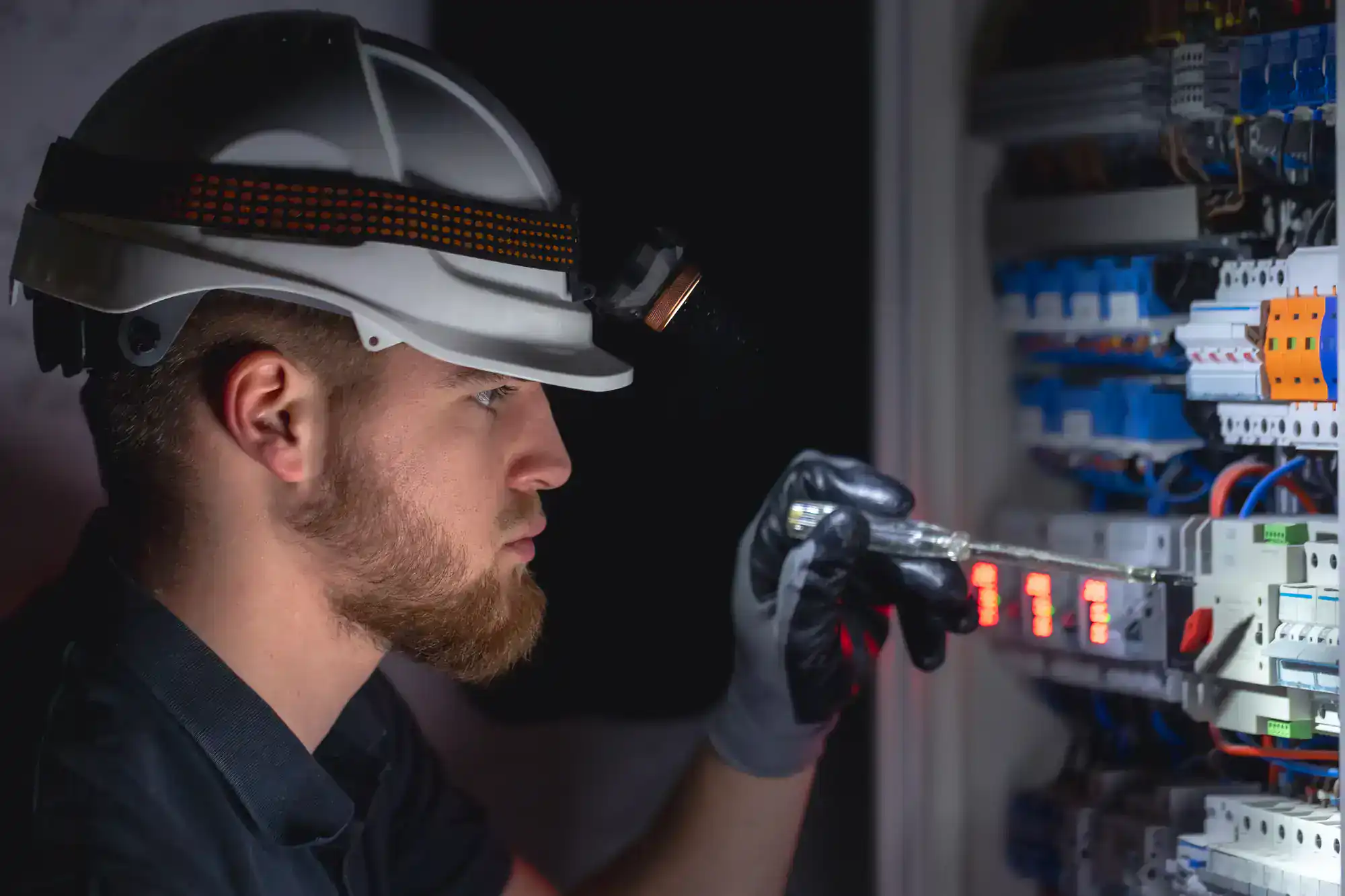
Texas electrical code isn't as simple as one rulebook. Here's what actually applies to your Tarrant County home — and what happens when it doesn't.
Share:

Summary:
If you’ve ever tried to figure out which electrical code applies to your home in Tarrant County, you’ve probably run into a wall of vague answers. “It depends on your city.” “Check with your local authority.” “You might be grandfathered.” None of that actually tells you what you need to know before you hire someone, pull a permit, or list your house for sale.
The truth is, Texas electrical code has a layered structure that confuses homeowners and even some contractors. We’ve put together this guide to cut through it — covering which NEC version currently applies in the DFW area, what Fort Worth’s local adoption means for your next project, and where unpermitted work can quietly become a serious liability.
Texas doesn’t write its own electrical code from scratch. Instead, the state adopts the National Electrical Code — published by the NFPA as NFPA 70 — and sets it as the minimum standard for all electrical work statewide. The Texas Department of Licensing and Regulation (TDLR) manages this process and enforces it through the licensing of electricians and electrical contractors.
What makes it complicated is that municipalities can layer local amendments on top of the state minimum. So the code that applies to a home in Fort Worth, TX isn’t identical to what applies in an unincorporated part of Tarrant County — and neither is the same as what applied five years ago.

Texas adopted the 2023 NEC effective September 1, 2023, making it the minimum standard for all electrical work in the state from that date forward. Any electrical installation permitted on or after that date must comply with the 2023 edition — not the 2020, not the 2017, and not whatever version was current when your house was built.
Here in Fort Worth, TX, the city went a step further. Fort Worth formally adopted the 2023 NEC through Ordinance No. 26721-02-2024, effective March 1, 2024. The prior ordinance — No. 24584-12-2020 — had adopted the 2020 NEC. So if your permitted work was done between late 2020 and early 2024, it was inspected against the 2020 edition. Anything permitted after March 1, 2024 in Fort Worth falls under the 2023 NEC with local amendments applied on top.
One thing worth knowing: the applicable code is locked to the date your permit is obtained, not the date the work is completed. If you pull a permit in August and finish the job in November, the code version in effect when you pulled the permit is what the inspector uses.
Texas is set to adopt the 2026 NEC on September 1, 2026. If you’re planning a larger project — a panel upgrade, an addition, a garage workshop — and you’re weighing whether to do it now or next year, that transition date matters. The 2026 edition brings additional changes that will affect what’s required for new electrical installation in Tarrant County homes.
Areas outside incorporated city limits in Tarrant County don’t have mandatory residential electrical code enforcement the way Fort Worth, TX does. But that doesn’t mean you’re off the hook. Lenders, insurers, and buyers all have their own requirements, and “no local enforcement” is not the same as “no consequences.”
The 2023 NEC isn’t just a minor update. A few of its changes have real, practical implications for homes in Tarrant County — especially older homes that were built before these protections existed.
GFCI protection requirements expanded significantly. Ground Fault Circuit Interrupter protection — the outlets with the little test and reset buttons — is now required in more locations than most homeowners realize. The 2023 NEC added dishwashers and clothes washers to the list of appliances requiring GFCI protection, on top of the existing requirements for bathrooms, kitchens, garages, basements, and outdoor receptacles. If your home was built in the 1980s or 1990s, there’s a real chance some of these areas aren’t covered.
AFCI protection is now required across virtually all habitable rooms. Arc Fault Circuit Interrupter breakers detect the kind of electrical arcing that happens inside walls — the type that starts fires before there’s any visible warning. Under the 2023 NEC as adopted in Texas, AFCI protection is required in bedrooms, living rooms, dining rooms, and most other occupied spaces. This is one of the most common gaps we find in older Tarrant County homes, particularly in neighborhoods built in the 1980s where the original panels were sized for a much lighter electrical load than families run today.
Surge protection requirements also got an upgrade. The 2023 NEC now includes provisions for whole-house surge protection at the service panel — something that’s especially relevant in North Texas, where severe thunderstorms and grid fluctuations are a regular part of life. After Winter Storm Uri in 2021, demand for surge protection and backup generator installations in the DFW area jumped significantly, and it hasn’t fully come back down.
For homes with electric HVAC systems, EV chargers, or plans for a home addition, panel capacity is the other piece of the puzzle. NEC 230.79(C) sets 100 amps as the minimum for new single-family dwellings, but 200-amp service is the effective professional standard for any home running modern loads. If your panel is 100 amps and you’re adding an EV charger or upgrading your HVAC, a panel upgrade isn’t optional — it’s a load calculation reality.
A home electrical inspection isn’t just a box to check before a sale. It’s the clearest picture you can get of where your home’s electrical system stands relative to current code — and where it might be creating risk you don’t know about yet.
In Tarrant County, inspections are conducted by city inspectors for permitted work, and by licensed electricians for pre-sale or safety-driven assessments. The two serve different purposes, but both can surface the same underlying issues: missing GFCI protection, absent AFCI breakers, undersized panels, ungrounded outlets, and — most critically — work that was done without a permit.

This is where a lot of Tarrant County homeowners get caught off guard. Maybe a previous owner finished the garage. Maybe a handyman added circuits for a home office. Maybe the work was done years ago and nobody thought twice about it. But when that work surfaces during a home inspection — whether it’s a city inspection or a buyer’s inspection — the situation changes fast.
Fort Worth, TX has a specific enforcement mechanism for unpermitted work: double fees. That means when unpermitted electrical installation is discovered, you don’t just pay the original permit fee. You pay a penalty on top of it, plus the cost to bring the work into compliance at current code standards, performed by a licensed contractor. The city isn’t lenient about this, and the costs add up quickly.
The home sale angle is where the stakes get highest. Texas Property Code Section 5.008 requires sellers to complete a Seller’s Disclosure Notice, which asks directly about alterations, additions, and modifications made to the property. If unpermitted electrical work exists and you mark “no” on that disclosure, you’re not just bending the rules — you’re committing fraud. Texas courts consistently side with buyers who discover undisclosed unpermitted work after closing, with documented damages running into the tens of thousands of dollars when you factor in repairs, attorney fees, and court costs.
The insurance angle is just as serious. Most homeowner’s insurance policies exclude damage that results from work performed without the required permits and inspections. If an electrical fire starts in a wall where someone added circuits without a permit, your insurer has grounds to deny the claim. That’s a documented pattern in the DFW area.
The path forward when unpermitted work is discovered isn’t always as painful as homeowners fear. In many cases, a licensed electrician can assess the existing work, pull the appropriate permits, and bring it into compliance without tearing everything out. The key is doing it before a buyer’s inspector finds it, not after.
These two terms get used interchangeably, but they’re not the same thing, and understanding the difference helps you know what you actually need.
A code compliance inspection is tied to a specific permit. When you pull a permit for an electrical installation — a panel upgrade, new circuits, a generator hookup — the city inspector comes out to verify that the work meets the currently adopted NEC edition. Pass, and you get a certificate. Fail, and you fix the issues and schedule a re-inspection. This is the formal process, and it’s tied directly to the permit date and the applicable code version.
An electrical safety inspection is different. This is a comprehensive assessment performed by a licensed electrician — not a city inspector — that evaluates your entire electrical system against current safety standards. It’s not tied to a specific permit or a specific project. It’s the kind of inspection you’d want before buying a home, before listing a home, or simply because your house is 30 years old and you’ve never had anyone look at it.
A thorough electrical safety inspection covers the service panel and breaker condition, grounding and bonding, GFCI and AFCI protection gaps, outlet and switch condition, visible wiring concerns, and any signs of previous unpermitted work. In older Tarrant County neighborhoods — homes from the 1970s through the 1990s in areas like Keller, TX, North Richland Hills, TX, and Hurst, TX — these inspections frequently surface issues that homeowners had no idea existed. Aluminum branch wiring, double-tapped breakers, ungrounded three-prong outlets, and panels that were adequate for 1985 but not for today’s load are all common findings.
What an electrical safety inspection gives you is information. You’re not obligated to fix everything immediately, but you’ll know exactly where your home stands — and you’ll be in a position to make informed decisions rather than getting blindsided during a sale or after an incident. We hold Texas Electrical Contractor License TECL 25420, which you can verify directly on TDLR’s public database. That license means the assessment you get reflects actual code knowledge, not guesswork.
Texas electrical code isn’t one rule — it’s a layered system that depends on where you live, when your permit was pulled, and what work was done. For Tarrant County homeowners, that means knowing that Fort Worth, TX adopted the 2023 NEC in March 2024, that the 2026 NEC is coming in September 2026, and that unpermitted work carries real financial and legal consequences that don’t disappear just because the work is old.
The good news is that most electrical issues are fixable. Panels can be upgraded, circuits can be added, GFCI and AFCI protection can be brought up to current standards, and in many cases, unpermitted work can be permitted retroactively. The key is working with someone who knows the local inspection process, handles permits directly, and can tell you honestly what your home needs — not just what’s easiest to sell you.
If you have questions about your home’s electrical system, what code applies to your situation, or whether work done in the past was properly permitted, we’re here to help. Carroll Service Co has been serving the DFW and Mid-Cities area for over 25 years, and we know Tarrant County’s code landscape as well as anyone in the business.
Article details:
Share:
Continue learning: