Rising electricity costs hitting your budget? Discover how professional electrical upgrades and energy management solutions can significantly reduce your 2026 monthly bills.
Share:
Summary:
Texas electricity rates aren’t just high right now. They’re part of a sustained upward trend that’s hitting DFW homeowners hard. The average residential rate in Dallas sits around 14 to 16 cents per kilowatt-hour in 2026, but that’s after a 30% increase over the past five years.
Several factors drive these increases. Infrastructure investments totaling $32 billion through 2032 get passed directly to consumers through delivery fees. Electricity demand across Texas is growing 9.6% in 2026 alone, driven by data centers, population growth, and increased residential usage. Natural gas prices, which fuel over 40% of Texas power generation, remain volatile and push rates higher during peak demand.
For the typical Fort Worth home using around 1,000 kilowatt-hours monthly, these rate increases translate to real money. What cost $117 per month in 2020 now runs $165 or more. That’s nearly $600 extra per year, and projections suggest rates will continue climbing. Understanding this context matters because it shows why efficiency upgrades aren’t just nice to have anymore. They’re financial protection against an expensive trend that shows no signs of stopping.

Most homeowners have no idea where their electricity actually goes. You see the total kilowatt-hours on your bill, but that single number hides the real story. An energy audit from our qualified electrical contractors changes that by showing exactly which systems, appliances, and habits drive your costs.
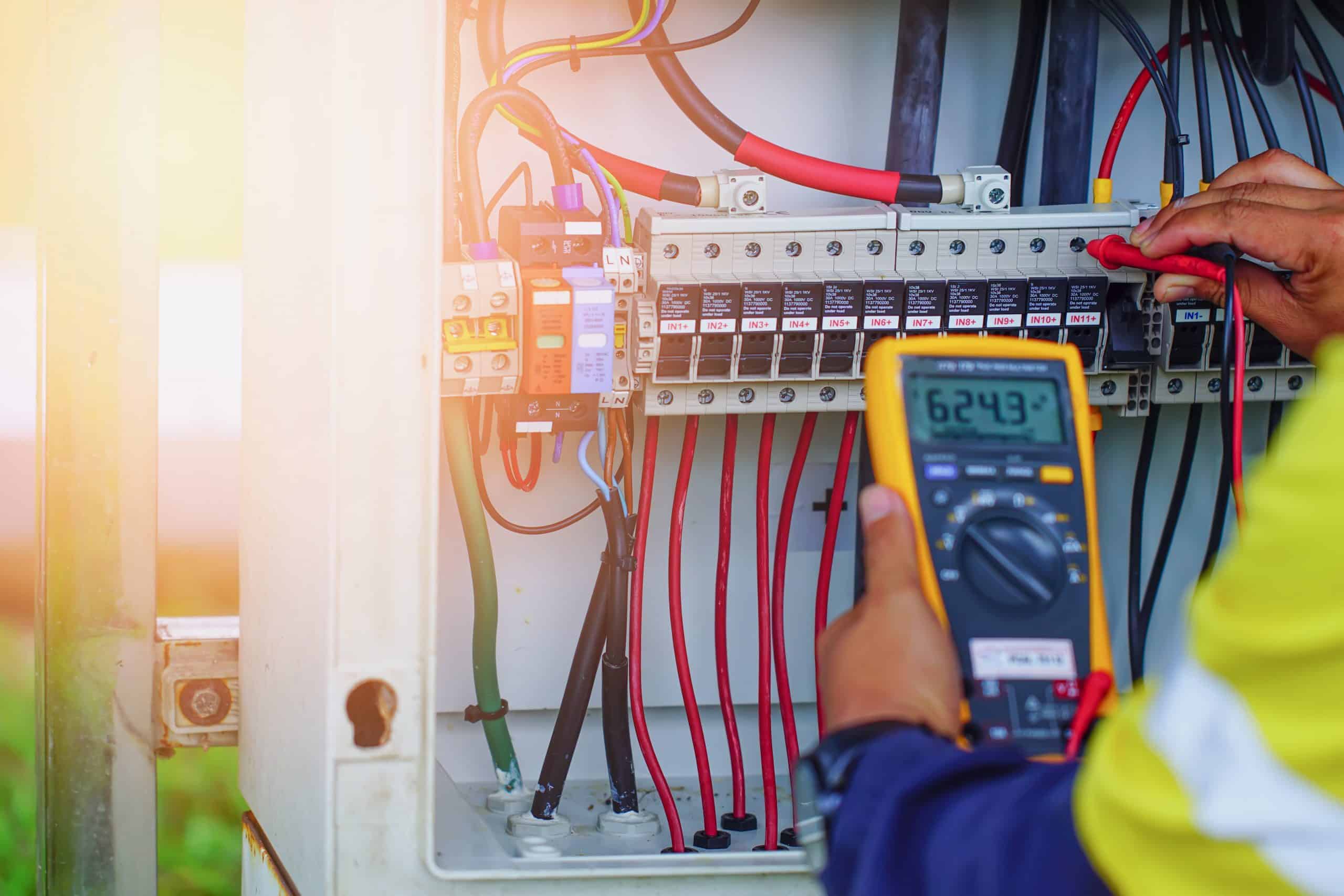
Our professional energy audit services use specialized equipment to electrical contractors measure power consumption throughout your home. Thermal imaging cameras reveal where conditioned air escapes through poor insulation or air leaks. Circuit-level monitoring identifies which breakers serve the biggest energy users. Voltage testing uncovers power quality issues that force equipment to work harder than necessary.
The findings often surprise homeowners. Your HVAC system likely accounts for 50% or more of total electricity use, especially during Texas summers and winter cold snaps. Water heating adds another 18-20%. But the audit also catches the invisible drains. Phantom loads from devices in standby mode cost the average household $165 annually. Inefficient motors in older appliances pull excess power. Harmonic distortion from modern electronics creates heat and waste throughout your electrical system.
What makes professional energy audit services valuable isn’t just identifying problems. It’s prioritizing solutions based on your specific home and budget. An audit might reveal that your 20-year-old HVAC system wastes more energy than your lighting, appliances, and phantom loads combined. Or it could show that air sealing and insulation deliver better returns than replacing windows. You get a roadmap showing which improvements cut costs fastest.
Studies consistently demonstrate that professional audits identify savings opportunities worth $500 to $2,000 annually. Small improvements recommended through audits, like sealing ductwork or adding attic insulation, can reduce energy costs by 10-30% without major renovations. The audit itself typically costs $300 to $600, but it pays for itself quickly by preventing wasted spending on low-impact upgrades while directing your investment toward changes that actually move the needle on your monthly bills.
The data from an energy audit also provides baseline measurements. You’ll know your home’s current consumption patterns, which makes it possible to track improvement after implementing upgrades. This accountability matters because it proves whether solutions deliver the savings promised or just empty marketing claims.
Walk through most Fort Worth neighborhoods built before 2000, and you’ll find homes with a common problem. The electrical panel installed decades ago can’t handle what modern life demands. These homes typically have 100-amp service that was adequate when they were built but struggles now.
Consider what’s changed. Central air conditioning runs constantly during Texas summers. Multiple refrigerators, big-screen TVs, computers, gaming systems, and smart home devices all draw power simultaneously. Add an electric vehicle charger or solar panel system, and that old panel hits its limits. The result isn’t just inconvenience from tripped breakers. It’s wasted energy and higher bills.
When an electrical panel operates near capacity, several efficiency problems emerge. Connections heat up under sustained load, creating resistance that wastes electricity as thermal energy. Breakers that trip repeatedly may not fully reset, causing voltage drops that force motors and compressors to work harder. Unbalanced loads across circuits prevent equipment from operating at designed efficiency levels.
Outdated wiring compounds these issues. Older homes often have aluminum wiring or undersized copper conductors that increase resistance. This resistance converts electricity into heat before it reaches your appliances, meaning you pay for power that never does useful work. Loose connections at outlets and switches create additional resistance points throughout the system.
The safety implications matter too. Electrical systems operating beyond their design capacity generate excess heat that accelerates insulation breakdown and increases fire risk. Insurance companies recognize this danger, which is why some flag outdated electrical systems and require upgrades to maintain coverage. A home insurance requirement might seem like an inconvenience, but it’s actually identifying a real problem that’s costing you money every month.
Panel upgrades to 200-amp service address these capacity issues while improving efficiency. Modern panels include features like whole-house surge protection, proper GFCI circuits where code requires them, and clear labeling that makes it easier to manage loads effectively. The installation process also provides an opportunity to correct wiring issues, balance circuits properly, and ensure all connections meet current standards.
The cost of panel upgrades in Fort Worth typically ranges from $1,800 to $3,200 depending on home size and complexity. That might seem steep, but consider the return. Eliminating efficiency losses from an overtaxed system can reduce monthly bills by 5-10%. The upgrade also increases home value, satisfies insurance requirements, and provides capacity for future needs like EV charging or solar integration. Most importantly, it stops the hidden waste that happens every time you flip a switch in a home with inadequate electrical infrastructure.
Beyond the panel itself, we evaluate your entire system during an upgrade. We’ll check the main service line, grounding systems, and existing wiring to ensure everything works together safely and efficiently. This comprehensive approach catches problems that homeowners don’t see but pay for through higher bills and shortened equipment life.
Not all electrical upgrades deliver equal returns. Some improvements look impressive but barely dent your monthly bills. Others seem minor but compound into significant savings. Understanding which high-efficiency upgrades actually work helps you invest wisely.
LED lighting conversions rank among the easiest wins. LED bulbs use 75% less energy than incandescent bulbs and last up to 25 times longer. A typical home might spend $60 to $80 annually on lighting with old bulbs. Switch to LEDs, and that drops to $15 to $20 while eliminating frequent bulb replacements. The upfront cost pays back within months.
Smart thermostats represent another high-return upgrade. These devices learn your schedule and preferences, automatically adjusting temperature when you’re away or asleep. Studies show households using smart thermostats reduce heating and cooling costs by 8-12% in the first year. For a Fort Worth home spending $80 monthly on HVAC electricity, that’s nearly $100 in annual savings from a device that costs $150 to $250 installed.
Whole-house surge protection does double duty. It safeguards expensive electronics from the 80% of power surges that originate inside your home, preventing gradual damage that shortens equipment life. But it also includes power conditioning features that clean electrical noise and improve power factor. These improvements help motors and compressors run more efficiently, reducing energy consumption by 3-5% while extending equipment lifespan.

You can’t manage what you don’t measure. That old business maxim applies perfectly to home energy consumption. Smart meter integration and real-time monitoring systems give you visibility into exactly how much electricity you’re using, when you’re using it, and which devices drive your costs.
Most DFW homes now have smart meters installed by their utility company. These digital meters measure consumption and transmit data electronically, eliminating estimated bills and providing more accurate billing. But the real value comes from integrating that data with home energy management systems that break down usage by circuit or even individual appliance.
Academic studies demonstrate that homeowners reduce electricity consumption by 3-5% simply by having access to real-time feedback. When you can see your usage spike as the air conditioner kicks on or watch phantom loads drain power overnight, behavior changes naturally. You start turning off devices instead of leaving them in standby. You shift high-energy tasks like laundry to off-peak hours if you’re on a time-of-use rate plan.
Advanced monitoring systems use machine learning to identify individual appliances based on their unique electrical signatures. Your refrigerator, HVAC system, and washing machine each have distinct power patterns. The system learns these patterns over a few weeks, then shows you detailed breakdowns. You might discover your old refrigerator consumes more electricity than your TV, computer, and lighting combined. That information guides replacement decisions based on actual data rather than guesses.
Power consumption analysis through smart meter integration also helps optimize demand-side management. During peak hours when electricity rates spike, you can reduce usage automatically or manually to avoid premium charges. Some utility companies offer programs that provide bill credits for allowing them to cycle your air conditioner briefly during extreme demand periods. Real-time monitoring makes it easy to participate in these programs and verify the savings.
The monitoring data proves valuable when evaluating upgrades too. Before replacing your HVAC system, you can see exactly how much it currently costs to operate. After the upgrade, you’ll know precisely how much you’re saving. This accountability ensures contractors deliver promised efficiency gains and helps you calculate accurate payback periods for your investments.
Installation of comprehensive home energy monitoring systems typically costs $200 to $500 depending on features and complexity. We can integrate these systems with your existing electrical panel, providing circuit-level monitoring that shows usage for major appliances and systems separately. The investment pays back through the savings it enables, usually within 18 to 24 months for households that actively use the data to adjust consumption patterns.
Some monitoring systems integrate with smart home platforms, allowing automated responses to usage patterns. Your system might automatically adjust the thermostat when electricity prices peak or send alerts when unusual consumption suggests equipment problems. A water heater that suddenly draws power constantly indicates a failing element before it completely fails, allowing proactive repair that prevents both the emergency service call and the wasted energy from an inefficient component.
Short-term fixes might cut a few dollars from next month’s bill, but sustainable electrical solutions deliver compounding benefits for years. These upgrades combine immediate efficiency gains with long-term value through extended equipment life, increased home value, and protection against future rate increases.
Power factor optimization represents one sustainable solution that most homeowners don’t know exists. Your home’s motor loads—air conditioners, refrigerators, washers, dryers, and pool pumps—naturally require more energy than they should use. This inefficiency shows up as higher bills and shorter equipment life. Power factor optimization stores wasted energy and reduces demand on the electrical grid, supplying stored energy when motors need it most.
Systems like the Powerworx Energy Management System use specially designed capacitors and filtering technology to clean your home’s power supply. Fort Worth homeowners using these systems typically see 8-15% reductions in monthly electricity costs. The exact savings depend on motor loads in your home, but houses with air conditioning, pool equipment, and multiple appliances see the largest benefits. The equipment also makes motors run cooler, which extends their operational life and delays expensive replacements.
Whole-house surge protection falls into the sustainable category because it prevents gradual equipment degradation. Small surges that happen every time your AC cycles don’t immediately destroy electronics. They slowly wear down components, shortening lifespan and reducing efficiency. Protection systems installed at your electrical panel intercept these surges before they reach your devices. Your equipment lasts longer, runs more efficiently throughout its life, and you avoid premature replacements that cost thousands.
Sustainable electrical solutions also include preparing your home for renewable energy integration. Solar panel systems can dramatically reduce or eliminate electricity bills, but they require proper electrical infrastructure. We ensure your panel has capacity for solar inverter connections, install proper disconnects and safety equipment, and integrate battery storage systems if desired. Getting the electrical work right during initial installation prevents costly rework later and ensures your solar investment delivers maximum returns.
The sustainability angle matters financially because Texas electricity rates will likely continue rising. Infrastructure costs, increasing demand, and market volatility all point toward higher prices in coming years. Efficiency upgrades and sustainable electrical solutions essentially lock in savings that grow as rates increase. An upgrade that saves 10% today saves even more dollars as the baseline rate climbs.
Energy-efficient homes also command premium prices in real estate markets. Buyers increasingly prioritize properties with modern electrical systems, energy management features, and renewable energy readiness. The upgrades you make today add value if you sell, while providing immediate monthly savings if you stay. This dual benefit makes sustainable electrical solutions some of the smartest home improvement investments available.
We specialize in sustainable solutions and bring expertise that prevents common mistakes. We understand local code requirements, utility interconnection procedures, and which products actually deliver promised performance. This knowledge matters because energy efficiency markets include plenty of overhyped products that underdeliver. Working with experienced contractors who’ve installed hundreds of systems ensures you get solutions with proven track records rather than experimental technology that might not work as advertised.
Rising electricity rates in 2026 aren’t going away, but you’re not powerless against them. We offer proven solutions that reduce consumption, eliminate waste, and lower monthly bills through targeted upgrades backed by data and experience.
Start with an energy audit to understand where your money actually goes. Use that information to prioritize upgrades that deliver the biggest returns for your specific home and usage patterns. Whether that means panel upgrades, smart meter integration, power factor optimization, or comprehensive efficiency improvements, we’ll guide you toward solutions that work.
The families and businesses across DFW who’ve already made these investments aren’t just saving money. They’re gaining peace of mind from safer electrical systems, enjoying more comfortable homes with better temperature control, and protecting themselves against future rate increases that will make efficiency even more valuable. If you’re ready to stop watching your bills climb and start taking control of your energy costs, Carroll Service Company brings 25 years of local experience helping Fort Worth homeowners achieve exactly that.
Article details:
Share:
Continue learning: