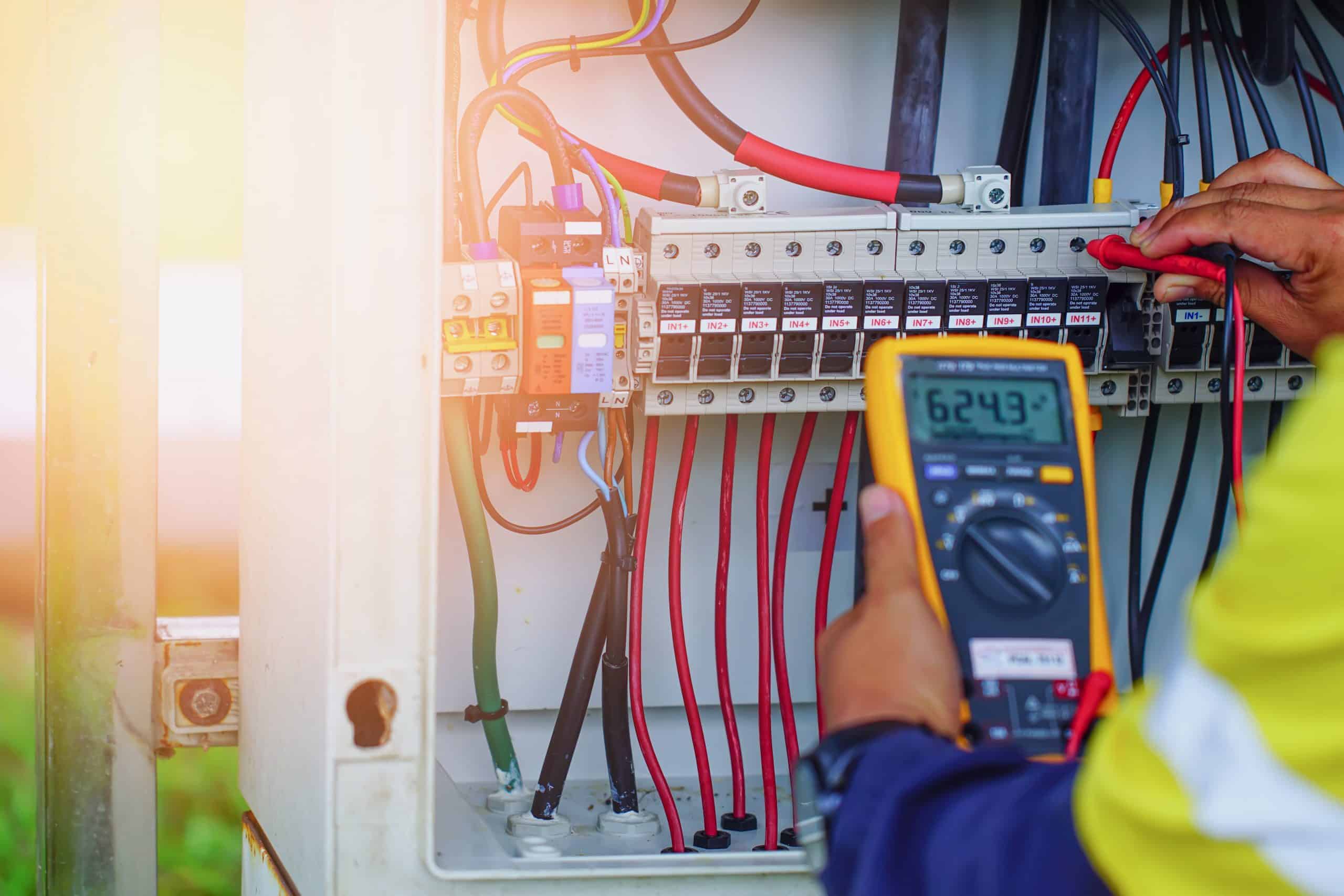
If you've searched generator costs and gotten a $5,000–$25,000 range with no real explanation, this guide breaks down what Tarrant County installs actually cost — and why.
Share:
Summary:
If you’ve spent any time researching home generator costs, you’ve probably seen ranges like $5,000 to $25,000 — which technically isn’t wrong, but doesn’t tell you much about what your specific home in Tarrant County is actually going to cost. The gap between those two numbers is enormous, and most pages don’t bother explaining what fills it.
This guide does. We’ll walk through what whole-home standby generator installation actually costs across Tarrant County, what factors move the number up or down, and what the full installation process looks like — so you can go into any conversation with a contractor knowing exactly what you’re evaluating.
The honest answer is that most whole-home standby generator installations in Tarrant County run somewhere between $7,000 and $20,000 turnkey, with the majority of jobs landing in the $10,000–$15,000 range. That’s the all-in number — equipment, labor, permits, transfer switch, concrete pad, and gas line connections included.
The unit itself — a 22kW Generac air-cooled generator, which is the right size for most 2,500 square foot homes in Tarrant County — typically runs $3,000–$6,000 before installation. The installation work on top of that (electrical connections, gas line, transfer switch, concrete pad, permits) adds another $5,000–$10,000 depending on your home’s specific setup.
Basic installations for smaller systems can start around $3,000–$4,000 for the labor side alone. Whole-house systems with more complex requirements — longer gas line runs, panel upgrades, larger generators — push toward the higher end of that range.
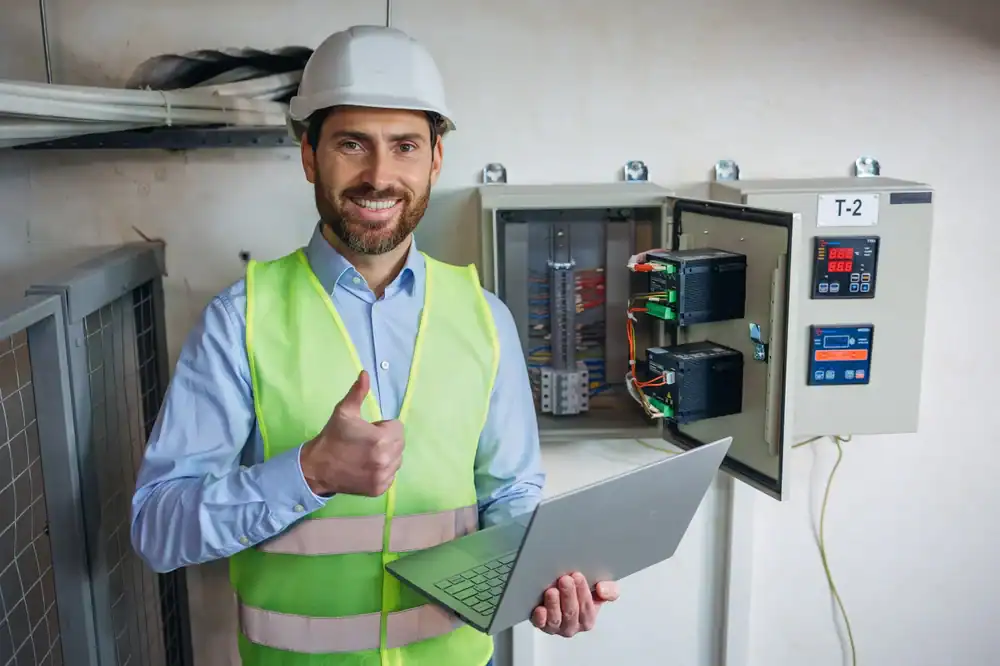
The biggest variable is generator size, measured in kilowatts. A 10–14kW unit can handle a smaller home or a partial-load setup — essential circuits only, like HVAC, refrigerator, lights, and a few outlets. A 22kW system powers most of a typical 2,500 square foot home without compromise. Go above 30kW and you’re typically looking at liquid-cooled systems, which cost significantly more.
Fuel type matters too. Most homes in Tarrant County are already connected to Atmos Energy natural gas lines, which makes natural gas generator installation more straightforward and generally less expensive than propane. If you’re in a rural pocket of the county without existing gas service, adding a propane tank can add $5,000–$8,000 to the project.
The distance from your gas meter to the generator placement site affects cost — longer runs require more pipe and more labor. The same logic applies to the electrical run from your panel to the transfer switch. If your panel is on the opposite side of the house from the ideal generator location, that adds time and material.
Permit fees in Tarrant County municipalities run $80–$450 depending on your city and the scope of the project. Fort Worth, Keller, Grapevine, Mansfield, and other towns each have their own fee schedules and inspection requirements. If your panel needs an upgrade to support the generator — typically $1,800–$3,200 — that’s an additional line item worth knowing about before you get your first quote.
One thing that catches homeowners off guard: the concrete pad. Generators need a stable, level surface, and a standard pad runs roughly $1,000. It’s not a huge number in the context of the overall project, but it’s one of those costs that sometimes gets left out of preliminary estimates.
A full professional installation isn’t just setting a generator in your yard and plugging it in. There are several distinct phases, and understanding them helps you evaluate whether a quote is actually complete — or whether it’s low because it’s leaving things out.
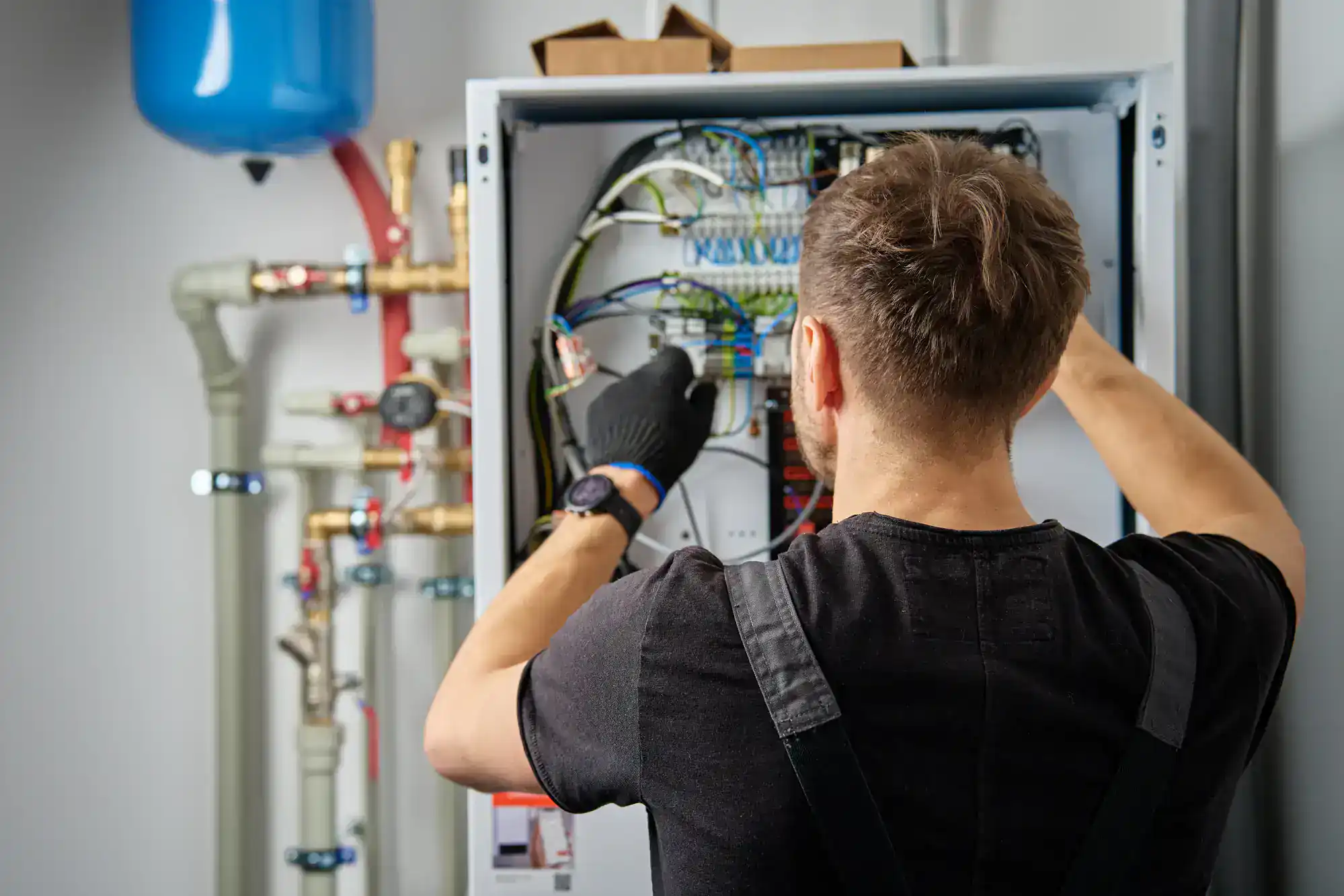
It starts with a site assessment. No legitimate contractor can give you a realistic fixed price without seeing your property. We need to evaluate where the generator will sit (NFPA 37 requires 60 inches of clearance from combustibles), measure the gas line run, inspect your electrical panel, and determine what permits your city requires. Any quote given over the phone without a site visit should be treated with skepticism.
From there, we apply for permits. In Tarrant County municipalities, this process typically takes one to two weeks, though new Texas legislation effective September 2025 requires permits for qualifying home backup power installations to be issued within three business days. Once permits are approved, on-site installation typically takes one to two days. That includes setting the concrete pad, placing the generator, running and connecting the gas line, installing the automatic transfer switch, integrating with your electrical panel, and doing a full startup test.
The transfer switch is worth understanding specifically. It’s the device that detects when Oncor cuts out and automatically switches your home to generator power — usually within seconds. It’s required by the National Electrical Code on all standby installations, and it should be included in any complete quote.
After installation, we walk you through how the system operates, what the automatic start cycle looks like, and what annual maintenance involves. From initial consultation to the day you flip the switch, most projects run two to four weeks total. The on-site work itself is typically done in one to two days, with about four hours of planned power interruption during the actual connection work.
Tarrant County sits inside the ERCOT-managed Texas grid — an isolated system that cannot import power from neighboring states when demand spikes or generation falls short. That isolation is the reason Texas outages tend to last longer and hit harder than comparable events in other parts of the country.
ERCOT set its all-time demand record in August 2023. Nearly two gigawatts of new large electricity consumers are expected to join the grid between May and September 2026. Meanwhile, Tarrant County itself added roughly 89 people per day in 2024 — 32,793 new residents in a single year — and the distribution infrastructure is perpetually playing catch-up.

The ROI question is the one most homeowners wrestle with longest. A $10,000–$15,000 investment is real money, and it’s reasonable to ask whether it’s justified.
Here’s one way to think about it. A standby generator lasts 15–30 years. At $12,000 installed and a 20-year lifespan, you’re looking at roughly $600 per year — less than $2 per day — for a system that keeps your home fully operational through whatever ERCOT throws at it. Generac financing is also available for as low as $109 per month, which makes the upfront cost more manageable for households that don’t want to write a single large check.
Now consider the alternative. A five-day power outage in a Texas summer means $400–$800 in spoiled food, $150–$300 per night in hotel costs if the heat becomes unmanageable, and the very real possibility of HVAC or plumbing damage. Tarrant County lived through Winter Storm Uri in February 2021 — days without power in extreme cold, burst pipes, and in some cases, far worse. The May 2024 storms knocked out power to nearly one million Texans and took multiple days to restore, with Tarrant County among the hardest-hit areas.
There’s also a practical upside that often gets overlooked: a properly installed standby generator adds to your home’s resale value. In a market where buyers are increasingly aware of Texas grid vulnerability, a whole-home backup system is a genuine selling point — not just a comfort feature.
One question that comes up constantly: can my HOA stop me from installing a generator? In Texas, the answer is largely no. Texas Property Code § 202.019 limits HOA authority over generator placement — an HOA cannot increase the cost of your installation by more than 10%, or increase the cost of electrical and fuel line work by more than 20%. If you live in a Southlake, Keller, Colleyville, or North Richland Hills community with an active HOA, you have more legal protection than most homeowners realize. We can help you navigate placement requirements without running into unnecessary friction.
Another common one: do I need to pull a permit? Yes — and you should be skeptical of any contractor who suggests otherwise. Unpermitted generator installations can void your manufacturer’s warranty, create liability issues with your homeowner’s insurance, and result in costly correction orders down the road. In Texas, all generator electrical work must be performed under a valid Texas Electrical Contractor License (TECL). We handle the entire permit application and inspection process on your behalf.
Homeowners also ask about sizing — specifically, whether a bigger generator is always better. It isn’t. An oversized generator running consistently below its rated load can develop mechanical problems over time. The right size depends on your home’s square footage, your HVAC system, and which loads you want covered. A 22kW air-cooled unit handles most 2,500 square foot Tarrant County homes without issue. Homes under 1,500 square feet may be well-served by a 10–14kW system. A proper site assessment will tell you exactly what you need — and what you don’t.
Finally: what about maintenance after installation? Standby generators are relatively low-maintenance, but they’re not zero-maintenance. Annual servicing — oil check, connection inspection, automatic start test — keeps the system reliable when you need it most. We recommend scheduling it every six months for peace of mind, particularly before summer and before winter.
The $5,000–$25,000 range you’ve seen everywhere isn’t wrong — it’s just not useful. Most Tarrant County whole-home installations land between $7,000 and $20,000, with the majority of typical jobs in the $10,000–$15,000 range. What moves your specific project within that window comes down to generator size, fuel source, site conditions, permit requirements, and whether any panel work is needed.
The only way to get a number that actually applies to your home is a proper site assessment. No reputable contractor should quote you a firm price without seeing the property first.
Carroll Service Co has been handling generator installations across Tarrant County for over 25 years — pulling permits, coordinating with Atmos Energy, and managing every phase of the project so homeowners don’t have to. If you’re ready to get a straight answer on what your installation would cost, reach out to us and we’ll start there.
Article details:
Share:
Continue learning: