Electrical safety inspections aren't what they used to be. Smart diagnostics, thermal imaging, and arc-fault detection now catch problems that traditional checks miss entirely.
Share:
Summary:
The term “smart” gets thrown around constantly, but when it comes to electrical safety inspections, it refers to specific diagnostic technologies that weren’t standard even five years ago. Thermal imaging cameras detect temperature variations indicating electrical problems. Arc-fault monitoring identifies dangerous sparking conditions. Real-time system monitoring tracks your home’s electrical behavior 24/7.
These aren’t luxury add-ons. They’re becoming standard practice because they identify the exact conditions that cause electrical fires—and they find them before smoke appears. In the DFW area, where summer heat pushes air conditioning systems to their limits and older homes strain under modern electrical demands, this technology gap between basic and comprehensive inspections can mean the difference between catching a problem and experiencing an emergency.

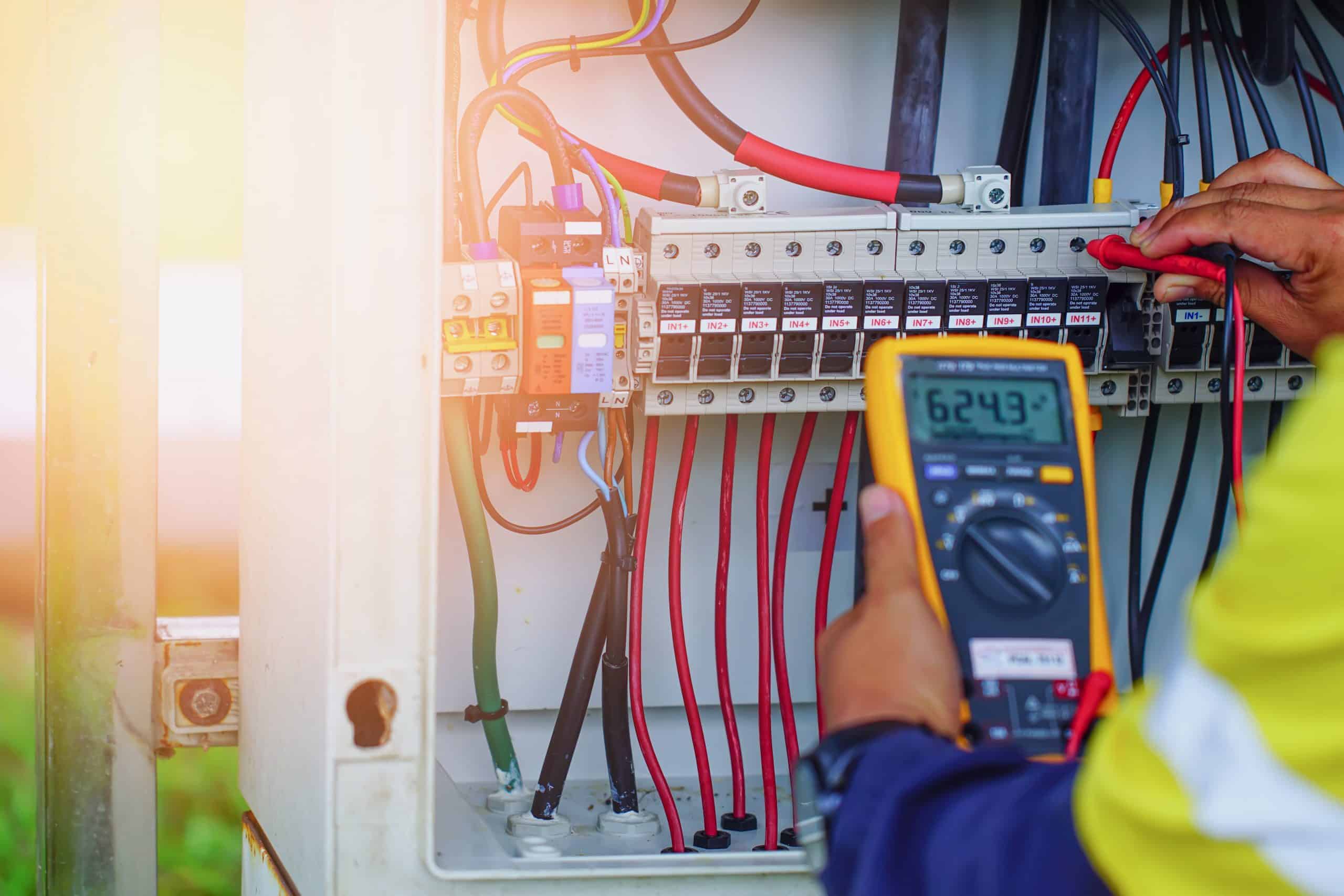
Walk into any electrical panel and you’ll see rows of breakers, bundles of wires, and metal components. Everything might look perfectly normal. A thermal imaging camera tells a completely different story.
Thermal imaging detects heat signatures invisible to the naked eye. A loose connection generates excess heat long before it fails completely. An overloaded circuit shows temperature spikes. Deteriorating insulation appears as hot spots. These problems exist for months—sometimes years—before they cause visible damage or trip a breaker. By the time you smell burning or see sparks, the hazard has already progressed dangerously far.
Electrical fires are particularly destructive because they spread through wiring pathways to other parts of your home. According to the U.S. Fire Administration, electrical fires account for approximately 51,000 residential fires annually, causing nearly 500 deaths and over $1.3 billion in property damage. Many of these fires start with conditions that thermal imaging would have detected weeks or months earlier—a connection running 20 degrees hotter than it should, a breaker showing heat stress, a wire generating thermal patterns that indicate impending failure.
In North Texas, where temperatures regularly exceed 100 degrees in summer, ambient heat compounds electrical heat generation. Your AC system cycles constantly. Kitchen appliances run during the hottest parts of the day. Electrical components that might operate fine in moderate climates show stress patterns here. Thermal imaging during a routine home electrical safety inspection captures these stress indicators while they’re still manageable, not after they’ve caused damage.
The inspection process itself is non-contact and safe. We scan your panel, major circuits, and connection points with an infrared camera. The camera displays a thermal map showing temperature variations in vivid color—hotter areas appear in red, orange, or white, while cooler areas show as blue or purple. A trained eye immediately spots anomalies: one breaker glowing hot while adjacent breakers remain cool, a wire junction showing concentrated heat, a connection point displaying thermal patterns consistent with high resistance.
This data doesn’t just identify problems. It prioritizes them. Not every warm spot indicates immediate danger, but significant temperature differences—especially those exceeding manufacturer specifications—demand attention. Your inspection report should include thermal images alongside standard photos, giving you visual proof of conditions that need repair and documentation for insurance purposes if needed.
Beyond one-time inspections, electrical system monitoring represents the next evolution in home safety. Think of it as the difference between checking your blood pressure once a year versus wearing a fitness tracker that monitors your heart constantly. Both provide value, but continuous monitoring catches changes as they develop.
Smart electrical panels and monitoring systems track your home’s power consumption in real-time, down to individual circuits. They identify unusual patterns—a circuit drawing more current than normal, an appliance creating voltage irregularities, load imbalances across phases. Some systems detect the specific electrical signatures associated with dangerous arcing, the mini-sparks that occur when wires are damaged or connections loosen. When detected, these systems can alert you immediately or even shut down power to prevent fire.
The technology isn’t just for tech enthusiasts. It’s becoming practical for average homeowners, especially those with older homes or high-value electronics. Systems like Ting plug into a standard outlet and monitor your entire electrical system for arc-faults and other hazards. Smart panels from companies like SPAN, Lumin, and Schneider Electric replace traditional breaker boxes with intelligent systems that provide circuit-level control and energy insights through smartphone apps.
For DFW homeowners, this monitoring capability addresses a specific regional challenge: extreme weather variability. A thunderstorm rolls through and your power flickers. Did that surge damage something? A monitoring system can tell you. Your AC runs constantly during a heat wave. Is your electrical system handling the load safely? Real-time data shows you exactly what’s happening. You’re planning to add an EV charger or upgrade your HVAC. Will your current panel handle it? Smart diagnostics provide clear answers before you invest in upgrades.
The data these systems collect also helps us diagnose intermittent problems that traditional inspections might miss. If your lights flicker occasionally but everything looks normal during an inspection, historical monitoring data can reveal patterns—perhaps the flickering correlates with your heat pump cycling, indicating a specific circuit issue, or maybe it happens during high-wind conditions, suggesting a utility-side problem. This diagnostic capability turns guesswork into targeted solutions.
Cost varies significantly. Basic plug-in monitors like Ting run around $300-400 with ongoing service fees. Full smart panel replacements range from $2,000-5,000 depending on your home’s size and complexity. For many homeowners, the middle ground makes sense: a comprehensive thermal imaging inspection every 3-5 years, combined with attention to warning signs and perhaps a basic monitoring device if your home is older or you’ve experienced electrical issues before.
If you’ve had electrical work done recently, you might have noticed us installing AFCI breakers—arc-fault circuit interrupters. These aren’t standard circuit breakers. They’re significantly more expensive, and they’re now required by the National Electrical Code in bedrooms, living rooms, dining rooms, family rooms, kitchens, and most other living spaces.
There’s a reason for this requirement, and it’s not bureaucratic overreach. Arc-faults cause approximately 28,000 home fires every year. These are the fires that start when a nail punctures a wire behind drywall, when old insulation cracks and allows conductors to spark, when a damaged extension cord creates intermittent arcing. Standard breakers don’t detect these conditions because the current levels stay below trip thresholds. AFCIs do detect them, using sophisticated electronics to identify the specific electrical signatures associated with dangerous arcing.

AFCIs continuously monitor the electrical current flowing through a circuit, analyzing it thousands of times per second. They’re specifically designed to detect alternating characteristics and frequencies around 100 kHz—the telltale signature of wire arcing. Not all arcs are dangerous; when you plug in an appliance or flip a switch, brief, harmless arcing occurs. AFCIs distinguish between these normal arcs and the sustained, hazardous arcing that indicates damaged wiring or failing connections.
When an AFCI detects a dangerous arcing condition, it trips the circuit breaker immediately—often in less than a second. This speed matters because electrical arcs generate intense heat. Even a small arc can ignite nearby insulation or wood framing. By cutting power before the arc sustains long enough to start a fire, AFCIs provide protection that simply didn’t exist in homes built before the late 1990s.
For DFW homeowners, this protection is particularly relevant if you live in an older home. Many beautiful neighborhoods throughout Fort Worth, Dallas, and the Mid-Cities feature homes built in the 1940s through 1960s. These homes were constructed long before modern electrical demands existed—no central air conditioning, no computers, no home networks, no EV chargers. The wiring that served a 1950s household adequately struggles under 2026 loads. Insulation becomes brittle over time. Connections loosen from thermal cycling. Renovations sometimes involve nails or screws penetrating wires behind walls.
During a home electrical safety inspection, we check whether your home has AFCI protection where required and test existing AFCIs to ensure they’re functioning properly. If your home lacks this protection, upgrading isn’t optional if you’re doing any electrical work—code requires it. Even if you’re not planning renovations, adding AFCI protection to bedrooms and living areas significantly reduces fire risk, especially in homes over 25 years old.
The cost typically runs $40-60 per AFCI breaker versus $5-10 for a standard breaker. For a typical home requiring 8-12 AFCIs, you’re looking at an additional $400-700 in materials alone. That might seem steep until you consider that the Consumer Product Safety Commission estimates AFCIs can prevent more than 50% of electrical fires. Given that electrical fires cause over $1.3 billion in property damage annually, the math favors protection.
Here’s what most homeowners don’t realize until it’s too late: electrical system failures cost three times more to fix reactively than preventively. That’s not a rough estimate—it’s data from multiple industry studies on maintenance programs. Equipment that’s part of a scheduled preventive maintenance program fails at one-third the rate of equipment that’s only serviced when problems occur.
The math is straightforward. A comprehensive electrical safety inspection in the DFW area typically costs $200-400. That inspection identifies loose connections, overloaded circuits, deteriorating components, and code violations before they cause problems. Tightening a loose connection costs nothing beyond the inspection. Replacing a failing breaker during scheduled maintenance might run $150-300. Compare that to emergency service calls, which often start at $200-300 just to show up, plus premium labor rates, plus the cost of whatever failed, plus potential damage to other systems or your home itself.
Consider a real scenario common in North Texas homes: your main electrical panel is original to a house built in 1975. It’s worked fine for decades, but connections have loosened from thermal cycling—expanding when hot, contracting when cool, thousands of times over 50 years. A thermal imaging inspection reveals several connections running significantly hotter than they should. The fix involves tightening connections and possibly replacing a few aged breakers—maybe $300-500 total during a scheduled service call.
Without that inspection, those hot connections continue deteriorating. Eventually, one fails completely. Best case: you lose power to part of your home and need an emergency service call on a Sunday afternoon. Worst case: that failing connection generates enough heat to ignite surrounding materials, starting an electrical fire. The National Fire Protection Association reports that electrical distribution systems are the third leading cause of home structure fires. Many of these fires start with exactly this scenario—a connection that slowly degraded until it failed catastrophically.
Preventive maintenance also catches problems that impact efficiency and cost you money every month. Loose connections create resistance, which generates heat and wastes electricity. Poor grounding can allow voltage fluctuations that shorten the lifespan of electronics and appliances. Imbalanced loads cause some circuits to work harder than necessary. None of these issues trips a breaker or creates obvious symptoms, but they all cost you money and increase failure risk. A thorough inspection identifies and corrects them before they escalate.
For Texas homeowners specifically, preventive maintenance addresses regional stressors that accelerate electrical system aging. Your AC system represents one of your largest electrical loads, cycling on and off constantly during our brutal summers. Each cycle creates thermal stress on connections and components. Severe weather—the thunderstorms, hail, and occasional ice storms that hit the DFW area—creates power surges and voltage fluctuations. Even brief outages and restorations stress electrical systems. These regional factors mean electrical systems here age faster than in moderate climates, making preventive maintenance even more valuable.
The recommended frequency varies by home age and condition. Homes over 40 years old should have electrical safety inspections every 1-3 years. Newer homes can go 3-5 years between comprehensive inspections. You should also schedule an inspection when buying or selling a home, planning major renovations, adding large appliances, or if you notice warning signs like frequent breaker trips, flickering lights, burning smells, or outlets that feel warm to the touch.
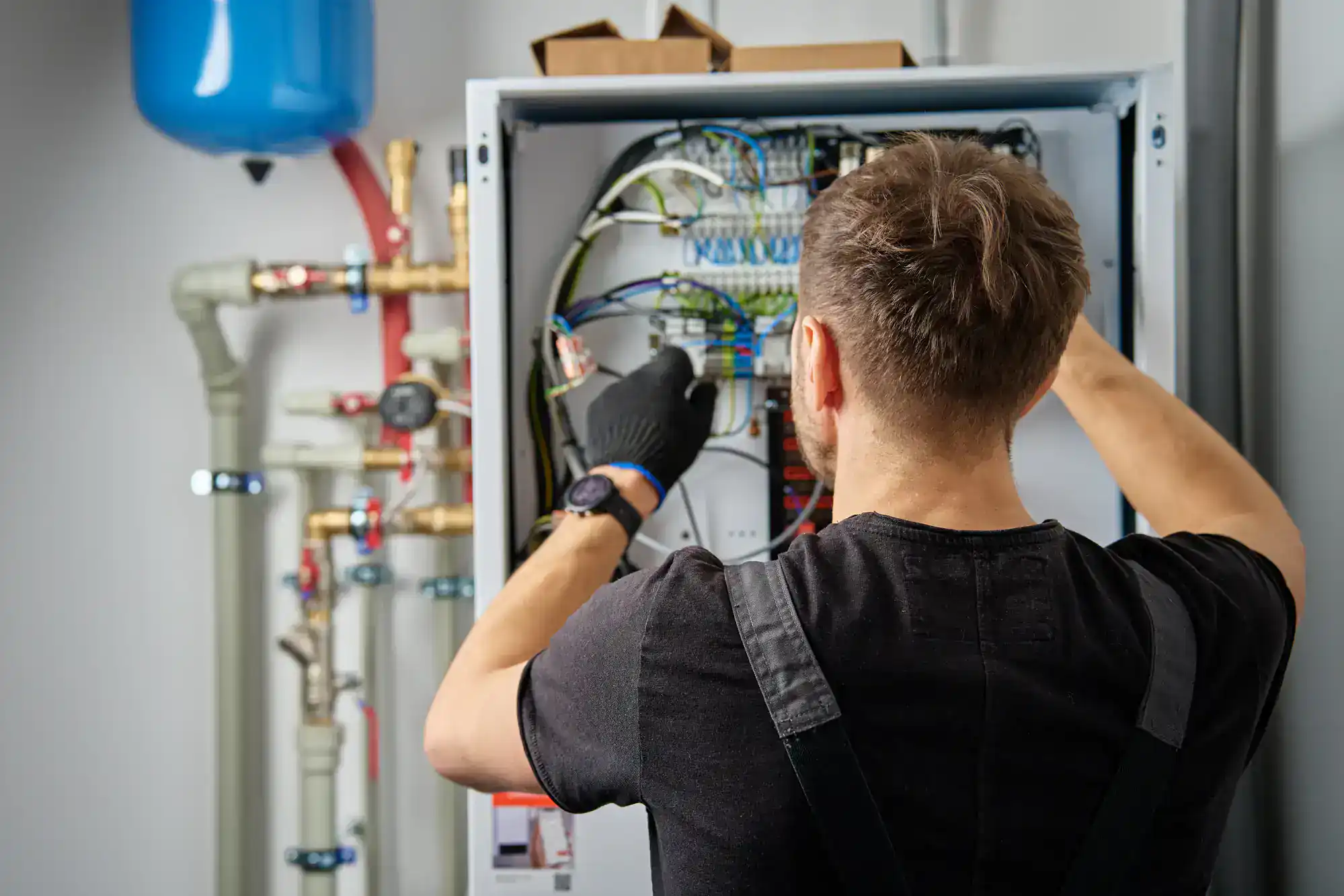
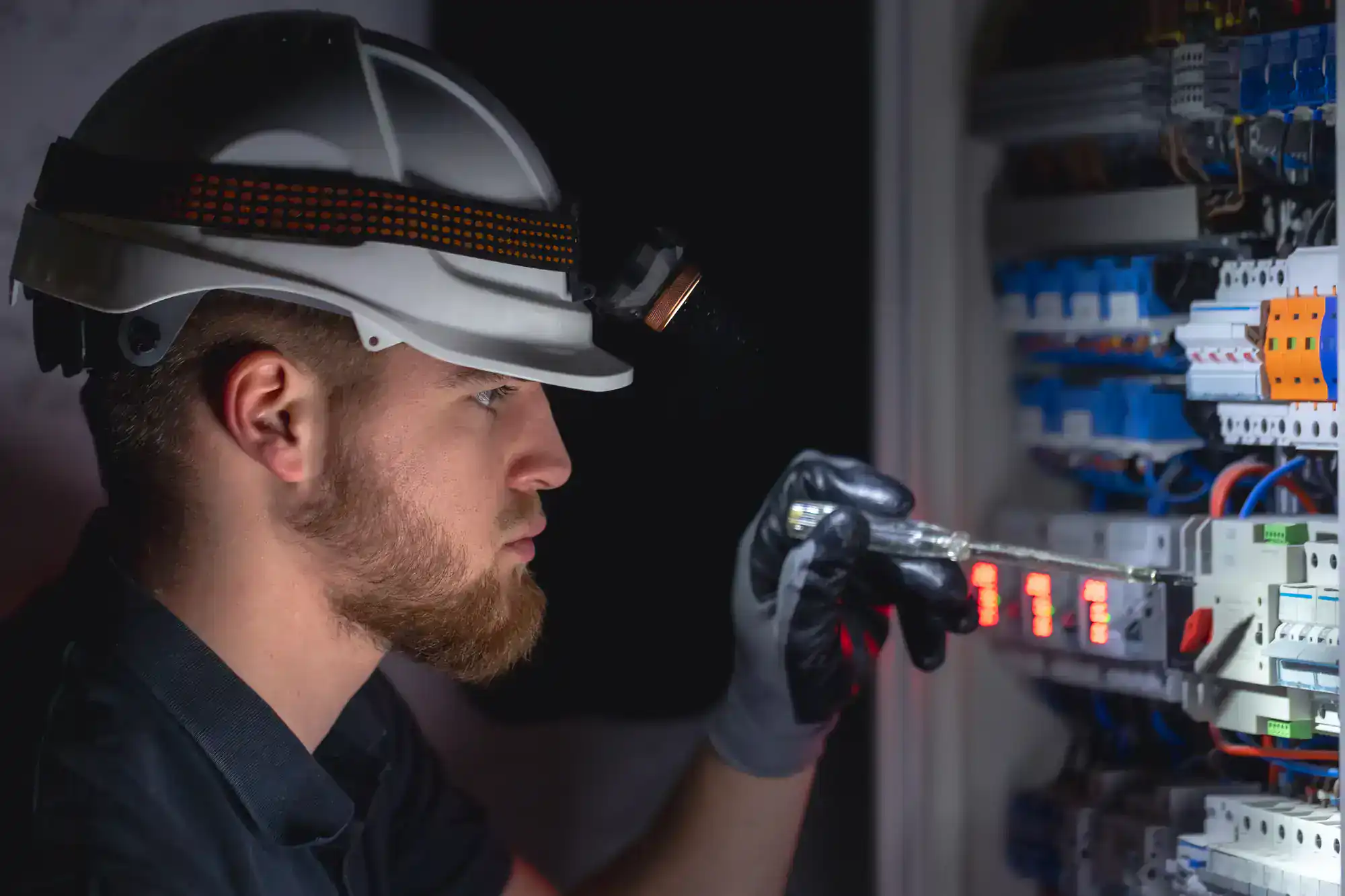
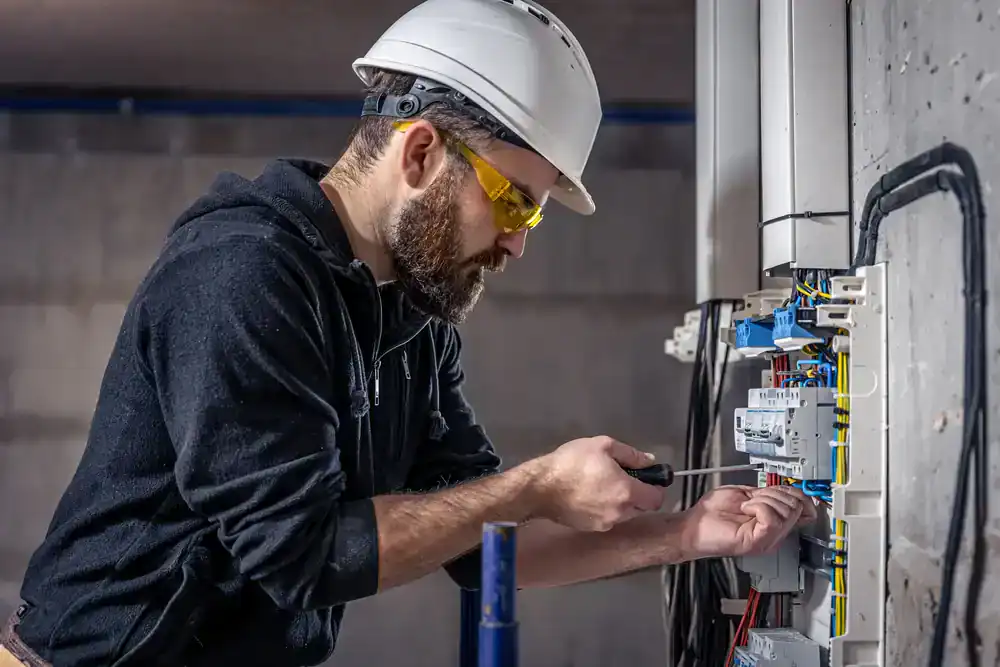
A comprehensive home electrical safety inspection should include visual examination of your electrical panel, testing of GFCI and AFCI devices, verification of proper grounding, assessment of circuit loading, and—increasingly—thermal imaging of panels and major circuits. We provide a detailed written report documenting findings, including thermal images if applicable, prioritized recommendations, and estimated costs for any needed repairs.
The inspection typically takes 2-4 hours depending on your home’s size and complexity. You’ll receive documentation suitable for real estate transactions, insurance purposes, or simply your own peace of mind. More importantly, you’ll know exactly what’s happening behind your walls and inside your panels—the hidden conditions that determine whether your electrical system is a reliable servant or a developing hazard.
If you’re in the Dallas-Fort Worth or Mid-Cities area and haven’t had your electrical system professionally inspected in the past few years, now’s the time. We’ve been protecting local homes for over 25 years, combining thorough inspections with the kind of honest guidance that comes from being a family-owned business that actually lives in the community we serve.
Article details:
Share:
Continue learning: