Everything Tarrant County homeowners need to know about whole house generators — sizing, costs, installation, and what to expect from the process.
Share:

Summary:
February 2021 changed how a lot of Tarrant County residents think about power. Nearly 368,000 customers in this county alone lost electricity during Winter Storm Uri — some for days — with no clear timeline for when it would come back. Pipes froze. Food spoiled. People with medical equipment scrambled.
A whole house generator doesn’t prevent storms. But it does mean you’re not sitting in a dark, freezing house waiting for Oncor to restore power. We’ve been installing backup generators across Tarrant County since 1999, and we’ve seen firsthand how these systems change what happens when the grid goes down. This guide covers how they work, what size you actually need, what installation looks like, and what it costs — so you can make a real decision, not a panicked one.
A whole house backup generator is a permanently installed system that automatically supplies power to your home when the grid goes down. Unlike a portable unit you drag out of the garage and run extension cords from, a standby generator is connected directly to your electrical panel and a permanent fuel source — typically natural gas or propane. When it detects a loss of utility power, it starts on its own, usually within 10 to 30 seconds, without you doing anything.
That automatic response is the defining feature. Whether you’re home, asleep, or out of town when the outage hits, the system handles it. Your HVAC keeps running. Your refrigerator stays cold. If someone in your home depends on medical equipment, it keeps working.
The system has three main components working together: the generator itself, an automatic transfer switch (ATS), and the fuel connection. Understanding how they interact helps you appreciate why professional installation matters — and why cutting corners on any one piece creates real risk.
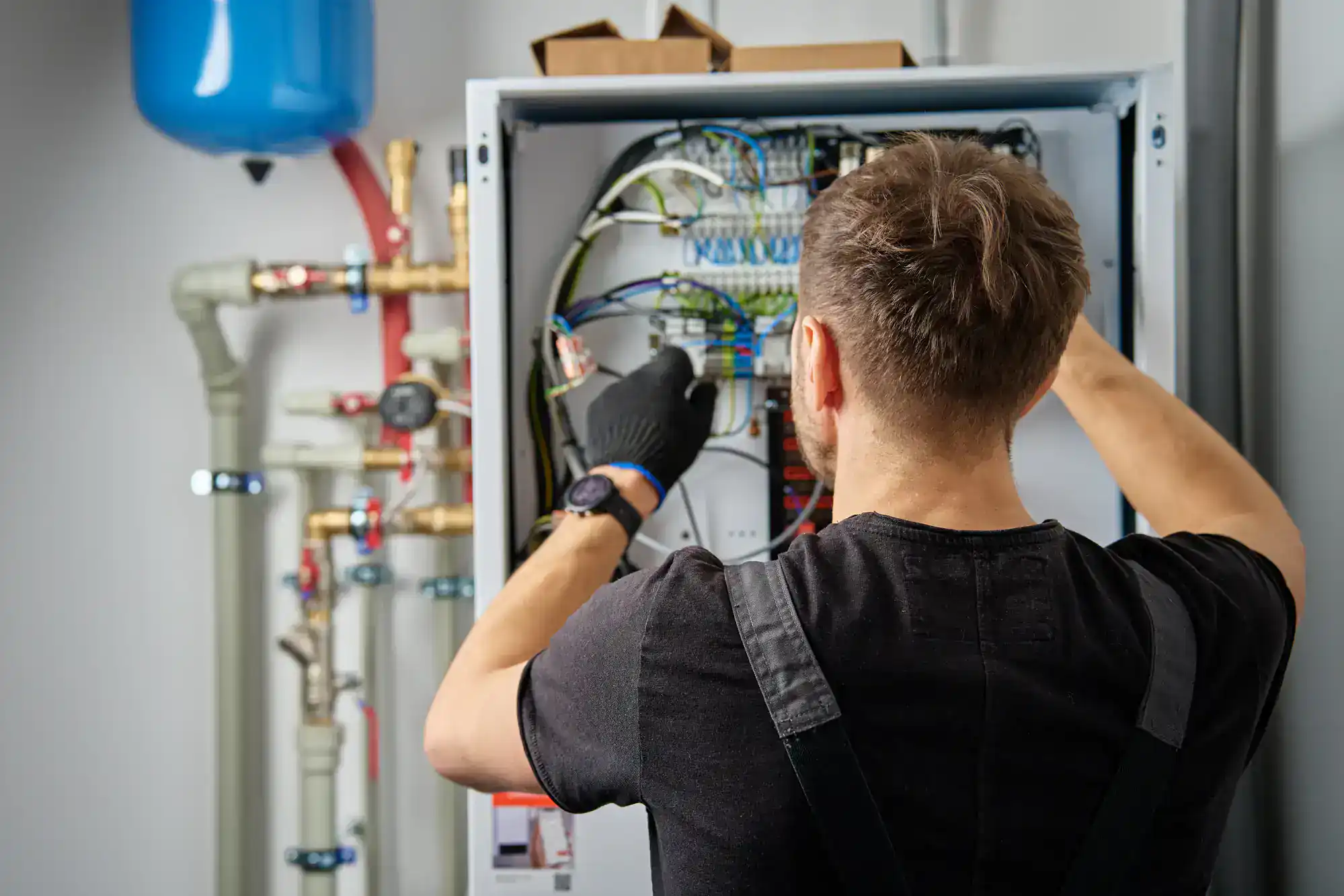
The automatic transfer switch is the brain of the operation. It monitors your utility power continuously. The moment it detects an outage, it disconnects your home from the grid and signals the generator to start. Once the generator reaches stable output, the ATS transfers your home’s electrical load onto it. When utility power is restored, the process reverses — the ATS switches you back to grid power and shuts the generator down. You don’t touch a thing.
The generator itself is sized in kilowatts and runs on either natural gas, propane, or diesel. For most Tarrant County homes, natural gas is the practical choice. Atmos Energy’s service coverage throughout the county is extensive, and a natural gas generator draws directly from your existing gas line. There’s no fuel to store, no running out, and no trip to a gas station that may itself be without power. During Uri, most natural gas service in the DFW area stayed active even while electricity was out for days — which is exactly the scenario a standby generator is built for.
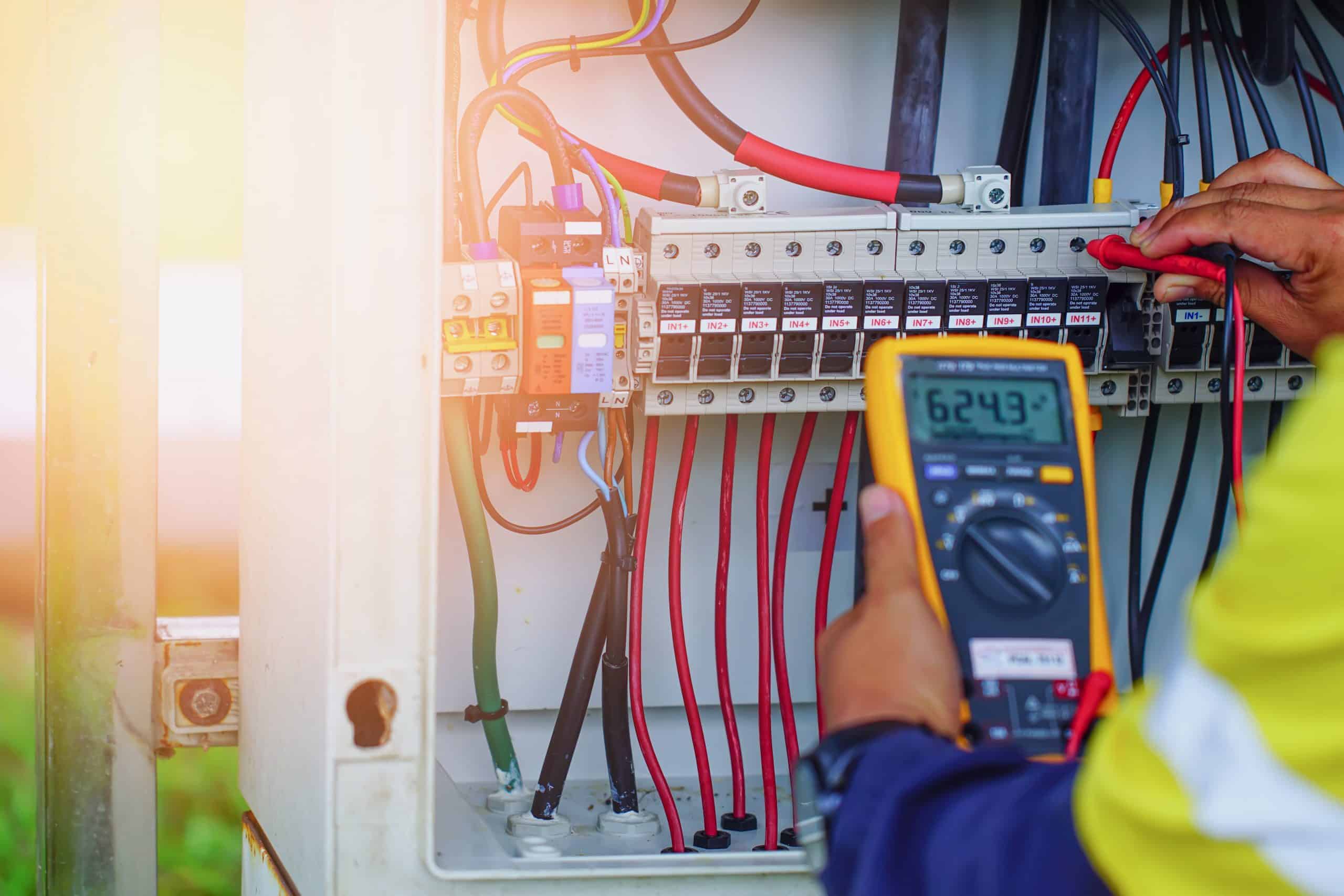
The electrical panel integration is where a licensed electrician earns their fee. The ATS has to match your panel’s capacity. If you have a 200-amp main panel, you need a 200-amp ATS. The wiring has to meet current NEC code — Texas adopted the 2023 edition — and the installation has to be permitted and inspected by the city. In Fort Worth, Arlington, Mansfield, Keller, and across Tarrant County’s other municipalities, this isn’t optional. Unpermitted generator work can void your homeowner’s insurance and create serious safety hazards.
Portable generators are cheaper upfront, and that makes them tempting. But the comparison breaks down quickly once you look at what you actually get — and what you give up.
A portable generator requires manual setup every time. You have to haul it out, start it, run extension cords, and manage fuel. During a major outage like Uri, gas stations across Tarrant County ran out of fuel within hours. If you didn’t already have fuel stored, you were out of luck. And portable generators produce carbon monoxide — they cannot be run inside a garage or near any opening in the home. Every year, people die from CO poisoning because they got desperate and made a bad call.
A standby generator eliminates all of that. It starts itself, runs on a fuel line that doesn’t run dry, and can power hardwired systems like central air conditioning, water heaters, and security systems that extension cords simply can’t reach. The upfront cost is higher, but the comparison isn’t really between two versions of the same thing. It’s between a tool you have to operate under stress and a system that just works.
There’s also a labeling issue worth knowing about. Big-box stores sell generators marketed as “whole house” that may only have a 200-amp transfer switch — which sounds impressive — but the generator itself might only output 10 or 12 kilowatts. That’s not enough to run central air conditioning in a Texas summer. The “whole house” label refers to the switch capacity, not the generator’s actual power output. It’s a distinction that catches a lot of buyers off guard, and it’s one reason a professional load assessment matters before you buy anything.
Sizing is where most buyers get stuck. Too small and your generator won’t handle the load when you need it most. Too large and you’ve spent thousands of dollars on capacity you’ll never use. The right answer depends on your home’s actual electrical load — which is why a professional load calculation matters more than any general rule of thumb.
Most homes in Tarrant County in the 2,000 to 3,000 square foot range need a 20-kilowatt generator to comfortably cover central air conditioning, refrigeration, lighting, and essential circuits. Larger homes — particularly in Southlake, Keller, or Colleyville — with bigger HVAC systems and higher overall electrical demand may need 24 kilowatts or more.

The load calculation process starts by identifying what you actually want to run during an outage. Some homeowners want to cover everything — whole house, no compromises. Others prioritize a specific set of circuits: HVAC, refrigerator, a few lights, and a medical device. Both are valid approaches, and the generator size changes significantly depending on which direction you go.
Air conditioning is usually the deciding factor in Texas. A central AC system for a mid-size home draws 3,500 to 5,000 watts just to run, and significantly more to start. That startup surge — called the inrush current — has to be factored into sizing, not just the running load. A generator that’s technically large enough to run your AC on paper may still struggle if the sizing doesn’t account for startup demand.
Water heaters, electric ranges, and clothes dryers are the other big draws. If your home has all-electric appliances, your generator needs to be sized accordingly. If you have a gas range and a gas water heater, those loads come off the calculation, which may allow you to drop down a size tier without sacrificing anything meaningful.
The other variable is medical equipment. If anyone in your household uses a CPAP, oxygen concentrator, home dialysis machine, or other power-dependent device, that has to be factored in from the start — not added as an afterthought. During Uri’s peak, an estimated 3,000 or more electricity-dependent medical equipment users in Tarrant County were without power. For those families, a generator isn’t a comfort item. It’s a safety necessity.
A proper assessment looks at all of this together — your home’s square footage, HVAC capacity, appliance types, and any special power needs — before recommending a generator size. That’s the only way to get sizing right.
Most homeowners are surprised by how much goes into a generator installation — and equally surprised by how fast it goes when done by an experienced crew. For most homes, the full installation is completed in a single day.
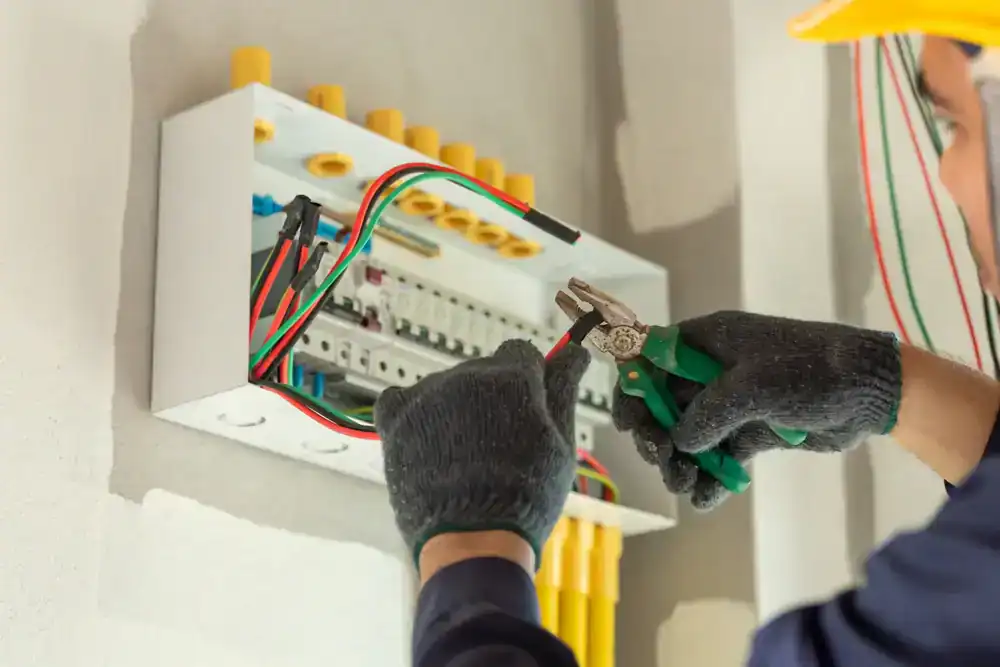
Here’s what that day typically covers. The generator gets placed on a concrete pad outside the home, positioned according to NFPA 37 guidelines — at least five feet from any window, door, or wall opening. The gas line is connected to your existing Atmos Energy service, which requires a separate gas permit pulled before any work begins. The automatic transfer switch is installed and wired into your electrical panel. The system is tested, the generator is started and run through a load test, and the installation is certified.
Permits are part of the process, not an optional add-on. Fort Worth, Arlington, Mansfield, Keller, and every other Tarrant County municipality has its own permitting requirements for generator installations. Pulling those permits, scheduling the city inspection, and making sure the work passes the first time is part of what you’re paying for when you hire a licensed electrical contractor. If a contractor suggests skipping the permit to save time or money, that’s a hard stop. Unpermitted work can void your homeowner’s insurance, create liability issues if the system ever causes damage, and create problems when you go to sell the home.
One question that comes up often in Tarrant County is HOA restrictions. Many communities in Southlake, Keller, Colleyville, and the Alliance corridor have active HOAs with rules about exterior equipment. What most homeowners don’t realize is that Texas Property Code Section 202.019 limits an HOA’s authority to prohibit standby generators outright. An HOA can regulate placement and screening — they can require the unit to be behind a fence or shielded from street view — but they cannot ban you from installing one. Knowing that before you start the conversation with your HOA saves a lot of back-and-forth.
Total installed cost for a whole house generator in the DFW area typically runs between $7,000 and $18,000, depending on the size of the system, your home’s existing electrical setup, and whether any panel upgrades are needed. The generator unit itself, the ATS, labor, the concrete pad, gas line connection, and permits are all part of that number. Annual maintenance — oil changes, filter replacements, a load test — typically runs $80 to $300 per year.
It’s a real investment. But consider what you’re protecting against. One pipe burst from a winter outage averages $5,000 to $15,000 in repairs. A week without power in a Texas summer is a health risk, not just an inconvenience. And for anyone working from home or caring for someone with medical needs, the cost of being without power isn’t abstract — it’s immediate and measurable.
If you’re weighing whether a whole house generator makes sense for your home, the best starting point is a professional load assessment. We’ve been installing backup generators across Tarrant County since 1999, and we’re happy to walk through the options with you — no pressure, no hidden fees, just a straight answer about what your home actually needs. Reach out to Carroll Service Co to get started.
Article details:
Share:
Continue learning: