Get reliable backup power with professional whole-home generator installation throughout Dallas-Fort Worth from experienced electrical contractors.
Share:
Summary:
A whole-home generator installation isn’t just about setting a box in your backyard and hoping for the best. The process involves electrical work that connects directly to your home’s main electrical panel, plus gas line connections that require proper permits and inspections.
Your generator needs to communicate with your electrical system through an automatic transfer switch. When the power goes out, this switch detects the outage within seconds and signals your generator to start. Once power is restored, the system automatically switches back and shuts down the generator.
The installation process typically takes one to two days, depending on your home’s electrical setup and local permit requirements. Most homeowners in the DFW and Mid-Cities area can expect the work to include electrical panel modifications, gas line installation or modifications, concrete pad preparation, and final inspections.
Generator sizing isn’t about guessing or picking the biggest one available. It’s about calculating your home’s actual electrical load and understanding what you really need during an outage.
Most Dallas-Fort Worth homes need between 16kW and 24kW for whole-home coverage, but your specific requirements depend on square footage, HVAC system size, and the appliances you consider essential. A 20kW generator typically handles a 2,500 square foot home with standard appliances, including air conditioning during those brutal Texas summers.
Here’s what matters most for sizing: your air conditioning system draws the most power, especially during summer outages when you need it most. Your electrical panel’s total amperage, major appliances like electric water heaters or ranges, and any special requirements like medical equipment or home office setups all factor into the calculation.
The sizing process involves a load calculation that considers starting watts versus running watts. Your AC unit might run on 3,500 watts but need 7,000 watts to start up. A properly sized generator accounts for these surge requirements without overloading.
Don’t forget about future needs either. If you’re planning to add an electric vehicle charger, pool equipment, or home additions, factor those into your sizing decision now. It’s much easier to install the right size generator from the start than to upgrade later.
Generator sizing isn’t about guessing or picking the biggest one available. It’s about calculating your home’s actual electrical load and understanding what you really need during an outage.
Most Dallas-Fort Worth homes need between 16kW and 24kW for whole-home coverage, but your specific requirements depend on square footage, HVAC system size, and the appliances you consider essential. A 20kW generator typically handles a 2,500 square foot home with standard appliances, including air conditioning during those brutal Texas summers.
Here’s what matters most for sizing: your air conditioning system draws the most power, especially during summer outages when you need it most. Your electrical panel’s total amperage, major appliances like electric water heaters or ranges, and any special requirements like medical equipment or home office setups all factor into the calculation.
The sizing process involves a load calculation that considers starting watts versus running watts. Your AC unit might run on 3,500 watts but need 7,000 watts to start up. A properly sized generator accounts for these surge requirements without overloading.
Don’t forget about future needs either. If you’re planning to add an electric vehicle charger, pool equipment, or home additions, factor those into your sizing decision now. It’s much easier to install the right size generator from the start than to upgrade later.
Professional generator installation follows a specific sequence that ensures safety, code compliance, and reliable operation. The process starts with permits and site preparation, then moves through electrical connections, gas line work, and final testing.
Most installations in Dallas, Fort Worth, and surrounding areas require electrical permits and gas line permits. We handle the permitting process, but inspections add time to the overall timeline. Plan for two to three weeks from start to finish, including permit approval time.
The actual installation work typically takes one to two days for straightforward installations. Complex situations like electrical panel upgrades, long gas line runs, or challenging site conditions can extend the timeline.
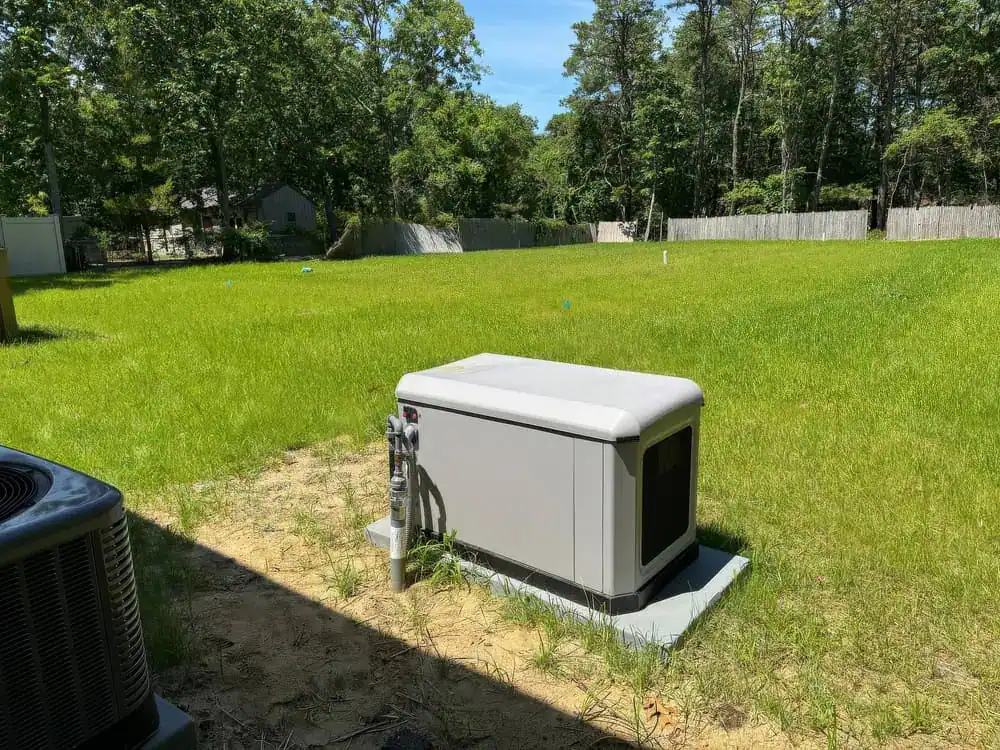
Generator placement isn’t just about finding space in your backyard. Local codes specify minimum distances from windows, doors, air conditioning units, and property lines for safety and noise considerations.
Your generator needs to sit at least five feet from any opening into your home and at least five feet from your neighbor’s property line. Air conditioning units require additional clearance to prevent hot exhaust air from interfering with cooling efficiency.
The concrete pad provides a stable, level foundation that prevents settling and vibration issues. Proper drainage around the pad prevents water accumulation that could cause problems during heavy Texas rains. The pad needs to be slightly larger than the generator footprint and thick enough to support the unit’s weight plus vibration loads.
Access for maintenance and service calls matters too. Your generator will need periodic maintenance, and technicians need clear access to all sides of the unit. Consider landscaping and future additions that might block access or violate clearance requirements.
Noise considerations affect placement decisions, especially in neighborhoods with close spacing between homes. Generators aren’t silent, and positioning them thoughtfully reduces noise impact on your family and neighbors. Sound levels vary by manufacturer and model, but proper placement makes a bigger difference than most people realize.
The electrical connection between your generator and home requires careful coordination between multiple systems. Your automatic transfer switch monitors utility power constantly, starts the generator when needed, and manages the switching process safely.
Gas line sizing and pressure requirements vary by generator size and distance from your meter. Undersized gas lines cause performance problems and potential safety issues. Your generator needs adequate gas pressure and volume to operate at full capacity, especially during peak demand periods when neighborhood usage is high.
Natural gas connections require licensed professionals who understand local utility requirements and safety procedures. The connection includes proper shutoff valves, pressure regulators, and leak detection systems. Gas line testing and inspection ensure safe operation before your generator goes into service.
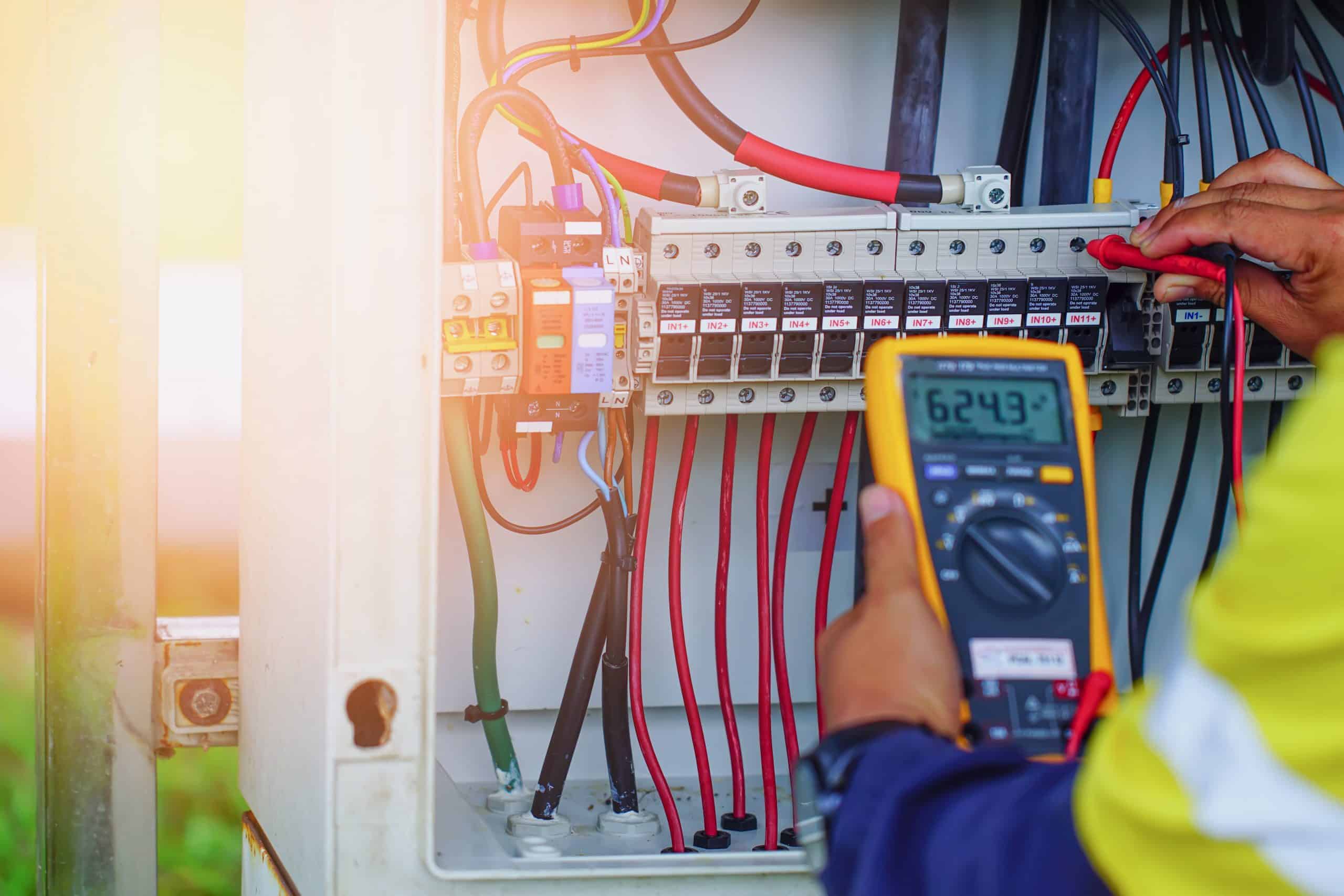
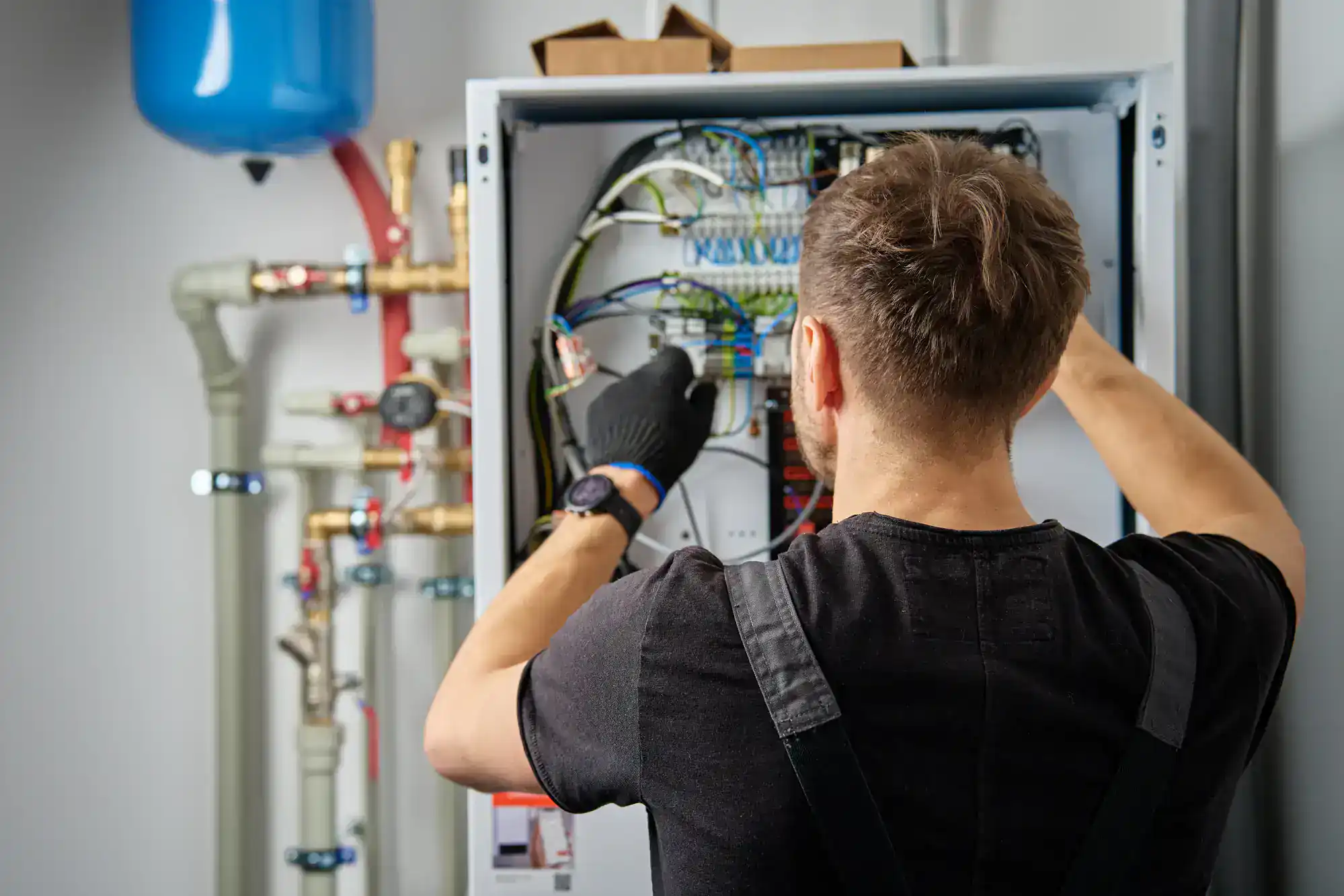
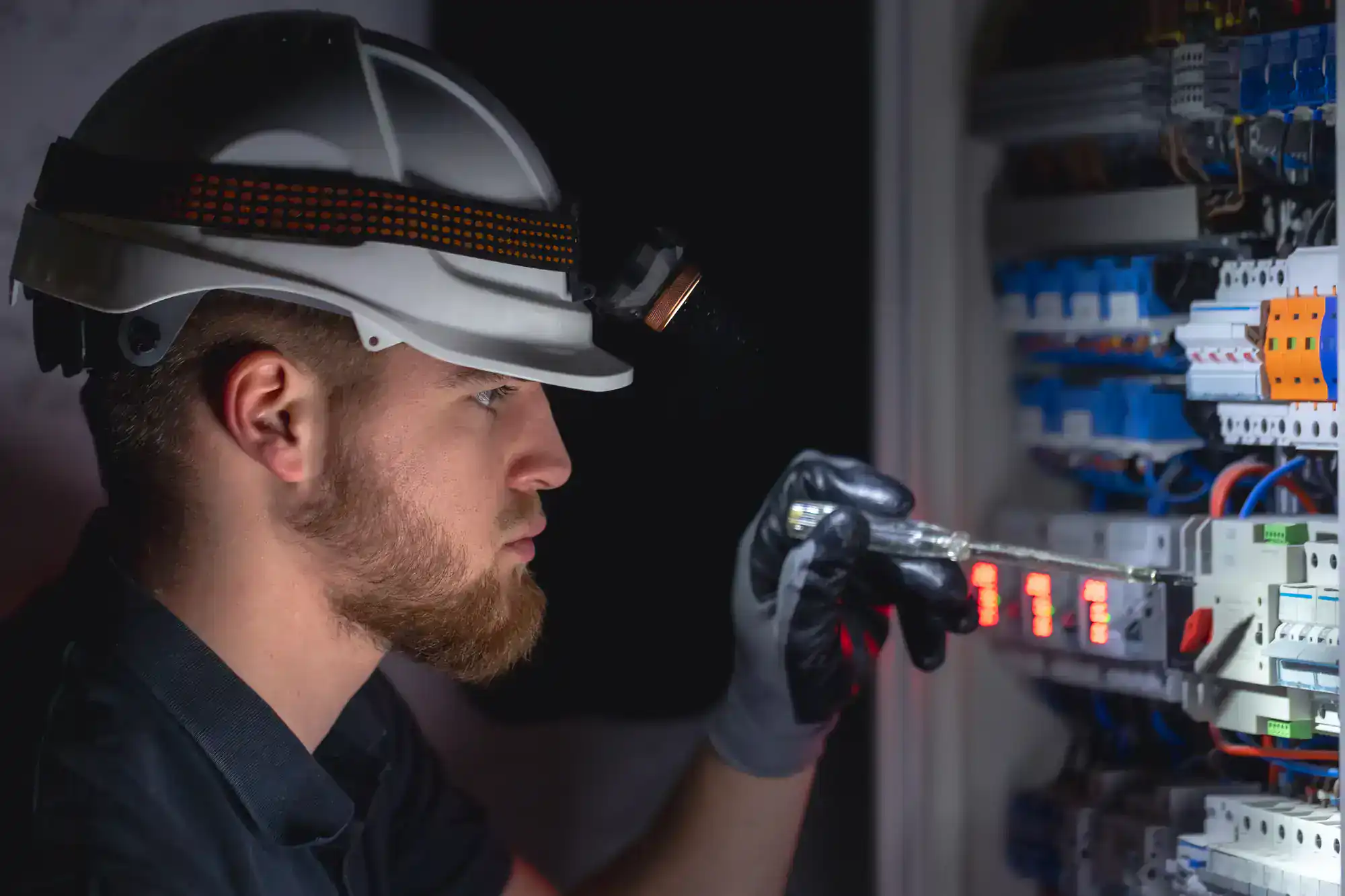
Electrical connections involve high-voltage work that requires licensed electricians. The transfer switch connects to your main electrical panel through dedicated circuits that carry your home’s full electrical load. Proper grounding, overcurrent protection, and safety disconnects protect your family and property.
Testing procedures verify proper operation of all systems before the installation is complete. This includes simulated power outages, load testing at various levels, and verification of automatic switching functions. We’ll walk you through the system operation and maintenance requirements before considering the job complete.
Generator installation combines electrical work, gas fitting, and mechanical systems in ways that require real expertise. You need contractors who understand the complexities and have the licenses to handle all aspects of the installation safely.
The right installation partner makes the difference between a system that works reliably for years and one that causes ongoing problems. Look for electrical contractors with specific generator installation experience, proper licensing for both electrical and gas work, and a track record of satisfied customers in the Dallas-Fort Worth area.
We bring the electrical expertise and local knowledge that generator installation requires. When the next storm hits Dallas-Fort Worth, you’ll have the peace of mind that comes from professional installation and reliable backup power for your family.
Article details:
Share:
Continue learning: