Is your Fort Worth home's electrical system safe? Find out when to schedule an inspection and what electricians typically check during the process.
Share:
Summary:
Several specific circumstances should prompt homeowners to consider an electrical inspection. Buying or selling a property is a primary trigger; an inspection protects both parties by revealing the system’s condition. Planning major home renovations or additions, especially those involving significant electrical work or adding large appliances, necessitates checking if the current system can handle the increased load. Experiencing recurring electrical problems like frequently tripping breakers or flickering lights signals an underlying issue needing diagnosis. Finally, the age of the home itself is a factor, particularly for older properties in the Fort Worth area. Considering “when should a homeowner schedule an electrical inspection?” often starts with these life events or observations.
Before purchasing a home, an inspection can uncover hidden dangers or costly electrical repairs needed, informing your decision. For sellers, a recent inspection report can provide buyer confidence. During renovations that modify electrical wiring or add circuits (part of electrical system installation), an inspection verifies work is done correctly and safely integrates with the existing system. Adding major appliances like central air conditioning (especially important with Fort Worth summers approaching) or hot tubs may require an electrical panel upgrade or concentrated circuits, advisably assessed by a professional beforehand.
Before purchasing a home, an inspection can uncover hidden dangers or costly electrical repairs needed, informing your decision. For sellers, a recent inspection report can provide buyer confidence. During renovations that modify electrical wiring or add circuits (part of electrical system installation), an inspection verifies work is done correctly and safely integrates with the existing system. Adding major appliances like central air conditioning (especially important with Fort Worth summers approaching) or hot tubs may require an electrical panel upgrade or concentrated circuits, advisably assessed by a professional beforehand.
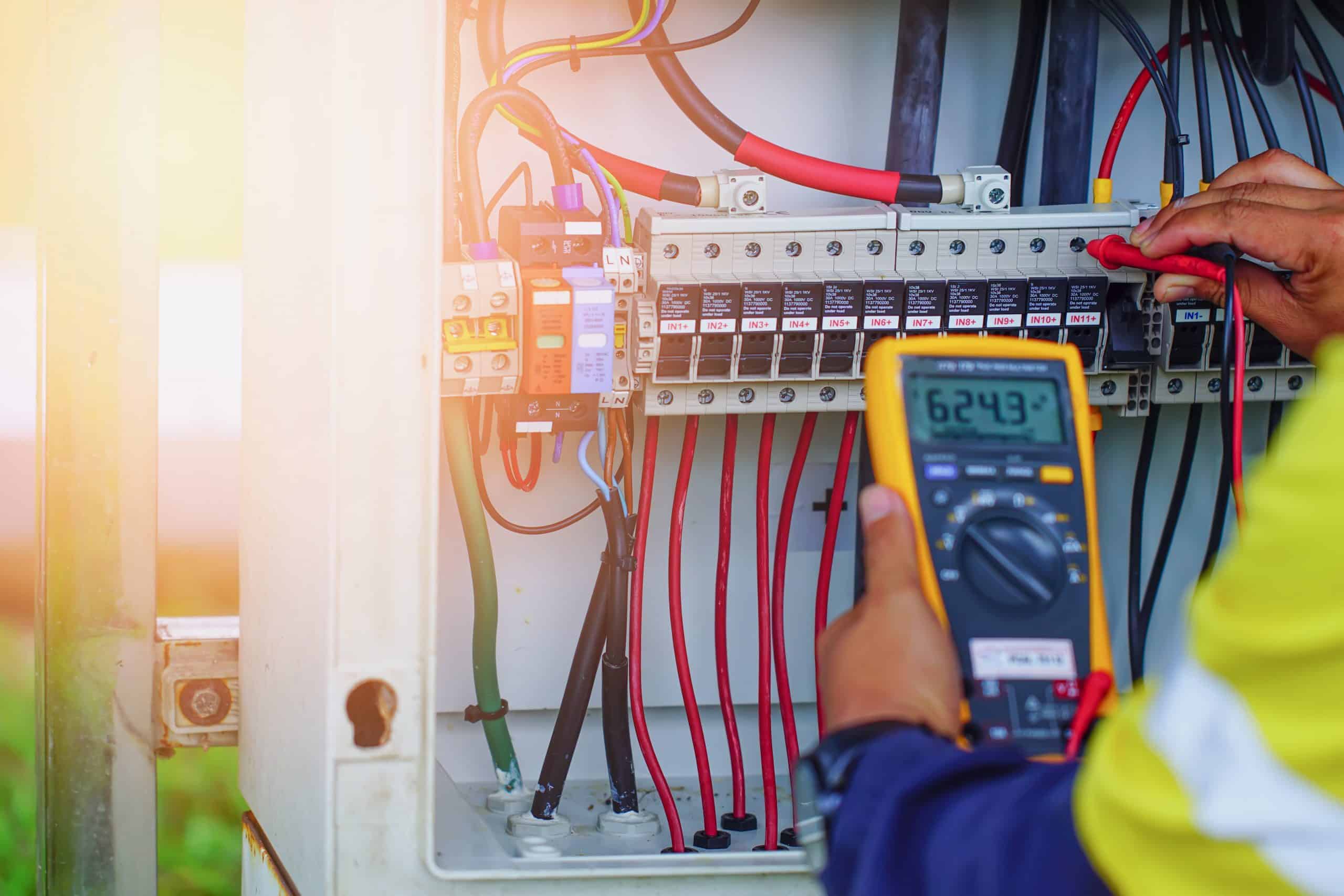
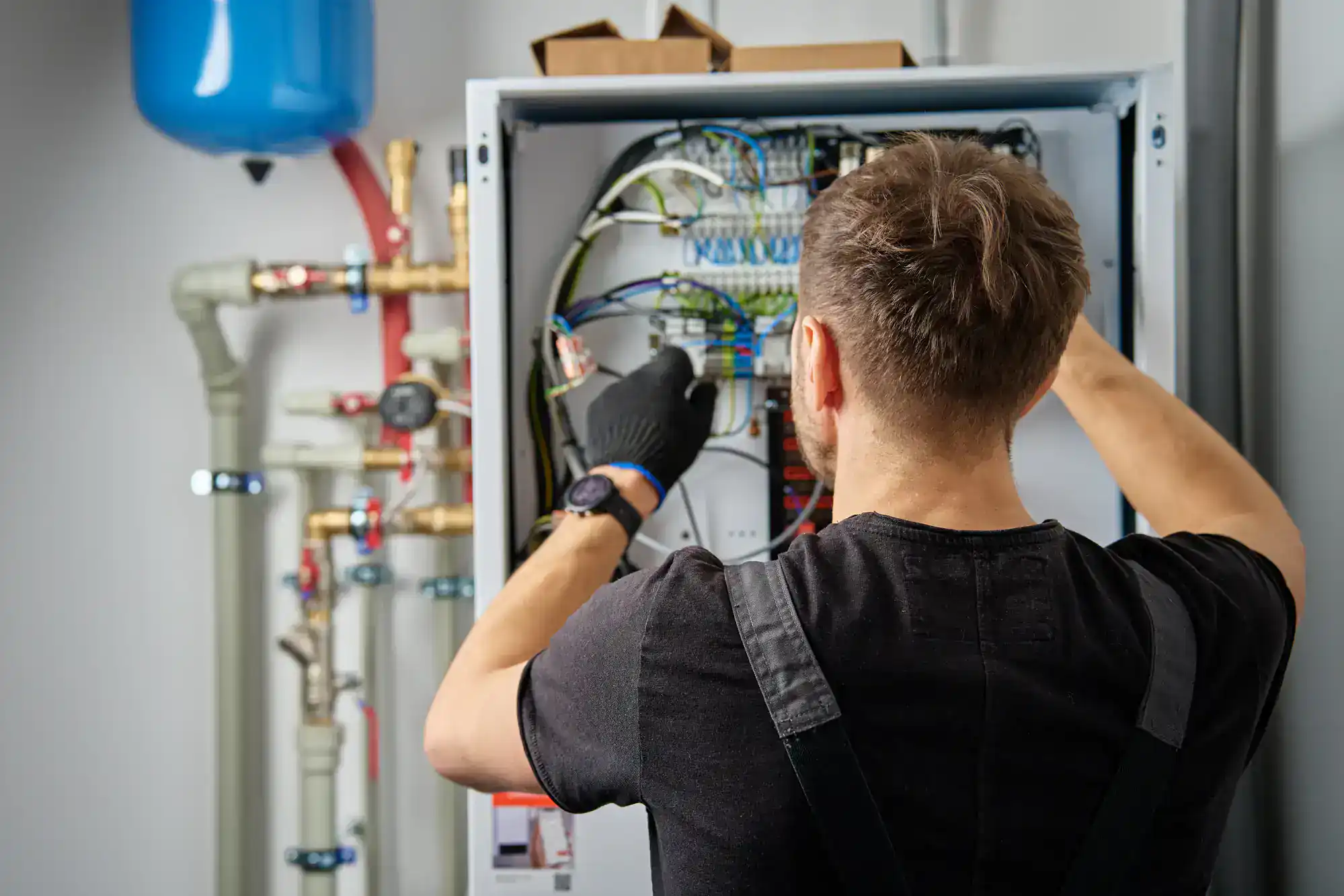
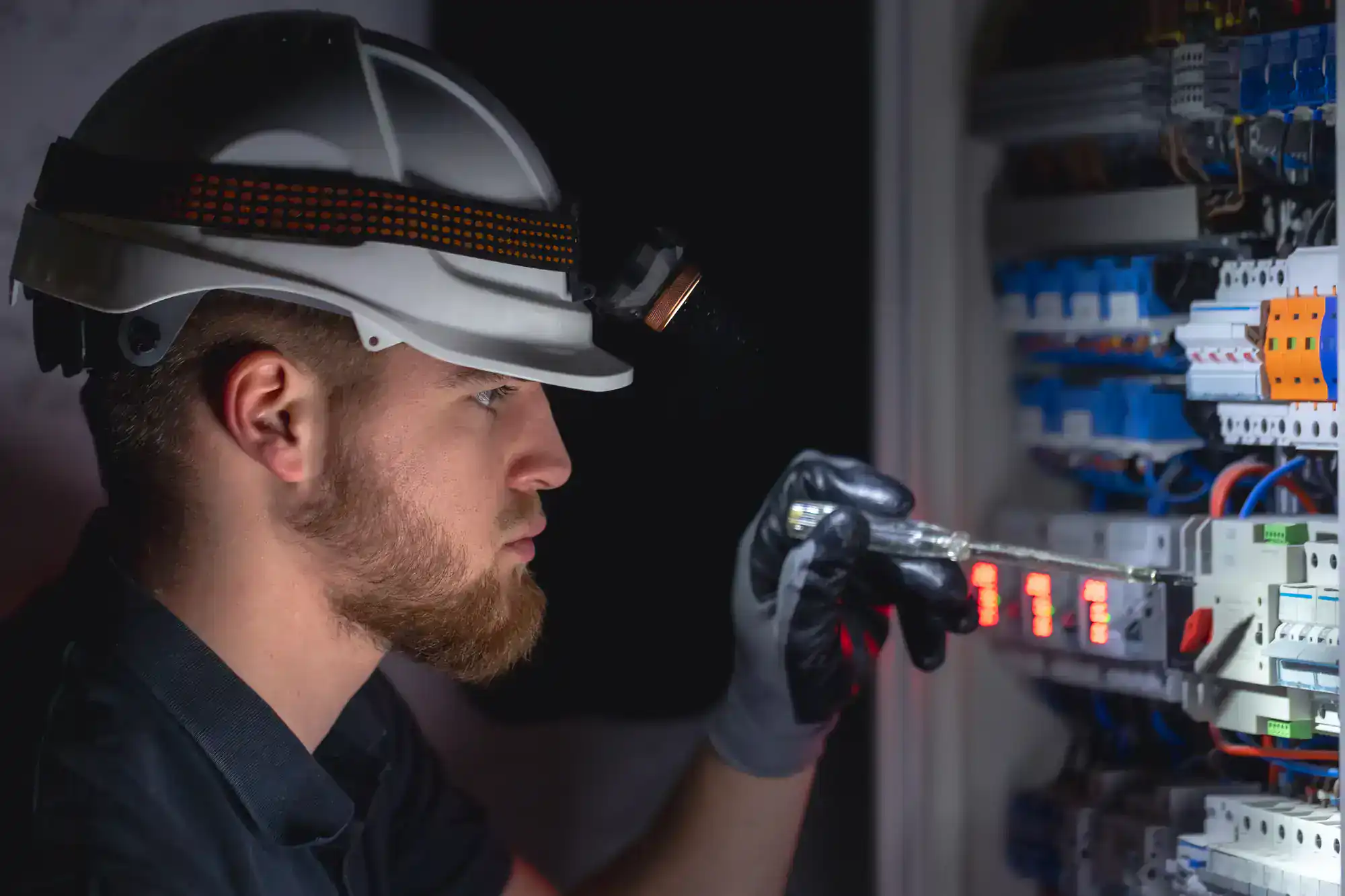
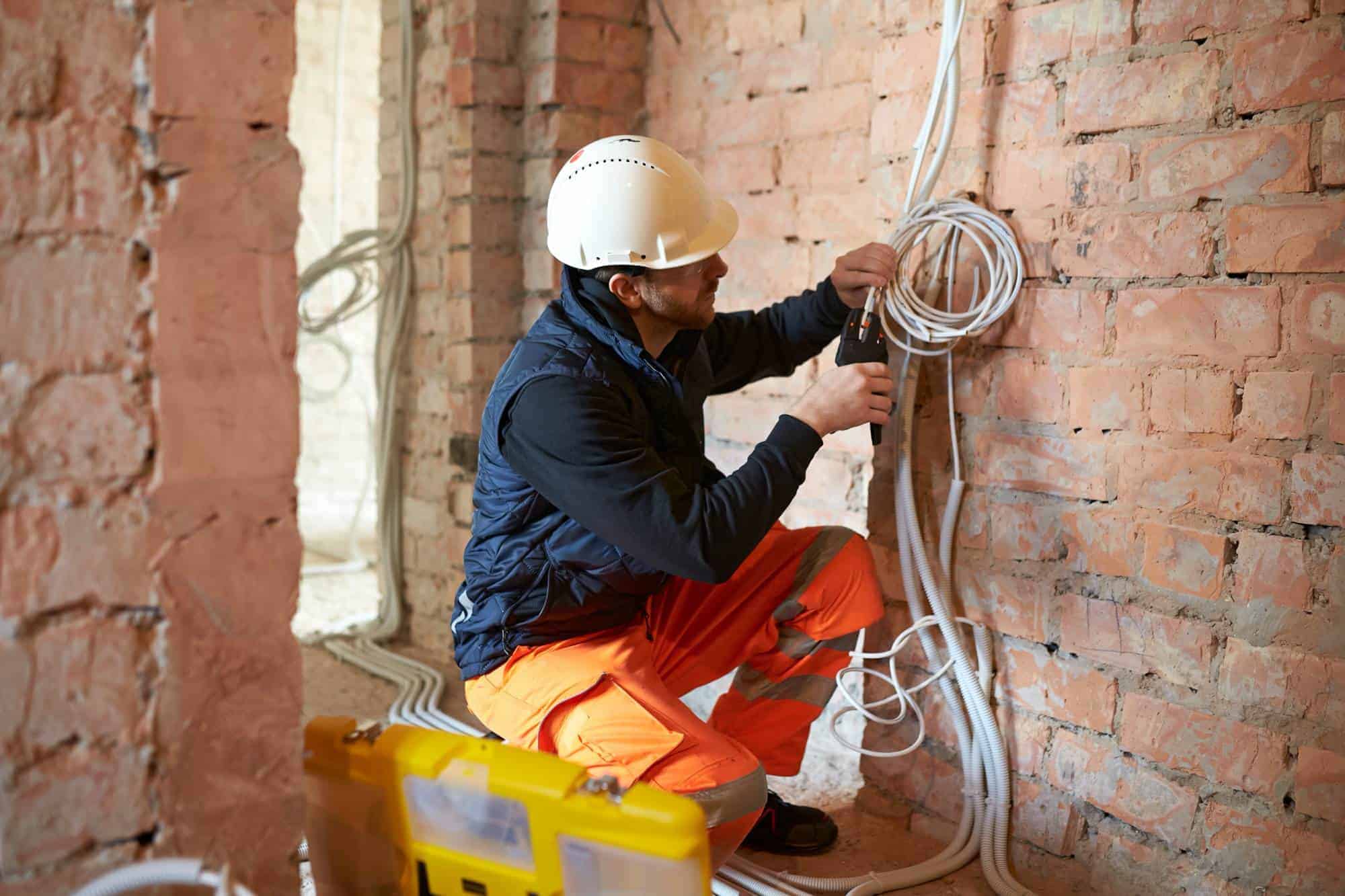
Once scheduled, what does an inspection involve? Licensed electricians providing residential electrical services conduct a systematic review of accessible components. They examine the main electrical panel (breaker box or fuse box), visible wiring runs in attics, basements, or crawl spaces, and test outlets, switches, and safety devices throughout the home. The goal is to identify safety hazards, code violations, signs of wear or damage, and potential areas for improvement or necessary upgrades.
During the inspection, specific details are scrutinized. Inside the electrical panel, the electrician checks breaker or fuse condition, looks for signs of overheating (scorching, melting), verifies proper wire gauge connections to breakers, and checks for clear labeling. They assess the panel’s capacity relative to the home’s needs, potentially identifying the need for an electrical panel upgrade. Visible electrical wiring is checked for damage, proper support, and outdated types (e.g., knob-and-tube, aluminum). Outlets and switches are tested for correct operation, grounding, and polarity. Safety devices like GFCIs and AFCIs are tested for proper function in required locations.
A crucial focus is on safety mechanisms. Ground Fault Circuit Interrupters (GFCIs) are checked in areas near water (kitchens, bathrooms, outdoors) to verify they trip correctly, preventing electrical shock. Arc Fault Circuit Interrupters (AFCIs), often required in bedrooms and living areas by newer codes, are tested for their ability to detect dangerous arcing conditions that could cause fires. The electrician also confirms the entire electrical system is properly grounded via connection to grounding rods or water pipes, a fundamental safety feature that helps prevent shocks and protects sensitive electronics during electrical surges.
Knowing when to schedule an inspection, like during property sales, renovations, or if issues arise, or for older homes, attains electrical safety. Understanding what areas are examined, from the panel and wiring to outlets and safety devices, highlights the inspection’s value. For thorough residential electrical services and inspections, contact Carroll Service Co .
Article details:
Share:
Continue learning: