Circuit breakers trip to protect your home, but repeated trips signal a deeper issue. Discover what's causing it and when professional help is non-negotiable.
Share:
Summary:
Your circuit breaker is basically a safety valve for electricity. Every circuit in your home is designed to handle a specific amount of power—usually 15 or 20 amps for standard outlets and lights. When something tries to pull more power than the circuit can safely handle, the breaker trips and cuts the power. That’s intentional.
Without that automatic shutoff, the wires in your walls would overheat. Insulation would melt. And you’d be looking at a very real fire hazard. So when your breaker trips, it’s actually doing exactly what it’s supposed to do.
The question isn’t whether it should trip. It’s why it’s tripping repeatedly. And that’s where most people get stuck.

If you’re running the microwave, the toaster, and the coffee maker all at once—and the breaker trips—you’ve probably just overloaded the circuit. This is especially common in older homes throughout Dallas, Fort Worth, and the Mid-Cities that weren’t wired for the kind of electrical load we use today. Back then, nobody was charging three phones, running a smart fridge, and streaming Netflix in every room.
An overloaded circuit happens when the total wattage of everything plugged in exceeds what the circuit was designed to handle. A 15-amp circuit at 120 volts can handle about 1,800 watts. That sounds like a lot until you realize a space heater alone can pull 1,500 watts. Add in a few lights and a laptop charger, and you’re done.
The fix might be as simple as spreading your devices across different outlets—or different rooms entirely. If you’re constantly having to play “musical appliances” to avoid tripping the breaker, that’s a sign your home needs more circuits or an upgraded electrical panel. And that’s not a DIY project.
Here’s the thing about overloaded circuits: they’re inconvenient, but they’re also predictable. If the breaker only trips when you’re using certain appliances together, you’ve likely found your answer. Unplug a few things, reset the breaker, and see if it holds. If it does, you know what you’re dealing with.
But if the breaker trips randomly—or trips again immediately after you reset it—you’re not dealing with an overload. You’re dealing with something more serious. And that’s when you stop resetting and start calling.
Dallas summers put extra strain on circuits. Your AC is running nonstop, the fridge is working overtime, and everyone’s inside using electronics. That’s why breaker trips spike in July and August. It’s not a coincidence. It’s your electrical system telling you it’s maxed out.
A short circuit is a different beast. This happens when a hot wire touches a neutral wire or another hot wire, creating a massive surge of current. The breaker trips instantly to prevent the wires from overheating and starting a fire. If you see scorch marks around an outlet, smell burning plastic, or notice a breaker that trips the second you flip it back on, you’re likely dealing with a short circuit.
Short circuits don’t fix themselves. They’re caused by damaged wiring, loose connections, or faulty appliances. And they’re dangerous. If you suspect a short circuit, don’t keep resetting the breaker hoping it’ll magically resolve itself. It won’t. You need professional help to trace the problem and fix it properly.
Ground faults are similar but happen in wet areas—kitchens, bathrooms, outdoor outlets. When electricity finds an unintended path to the ground (often through water or a person), a ground fault occurs. That’s why code requires GFCI outlets in these locations. They’re designed to detect ground faults and cut power in milliseconds, which can literally save your life.
If your breaker trips every time you use an outlet near the sink, or if your outdoor outlets keep shutting off after it rains, you’re dealing with a ground fault. This isn’t something you troubleshoot with a YouTube video. This is a call-an-electrician situation.
Here’s how to tell the difference: an overloaded circuit trips when you’re using too much power. A short circuit or ground fault trips immediately, often with a pop or a flash, and usually won’t reset properly. If your breaker won’t stay on, or if it trips the moment you flip it back, stop. Don’t force it. Don’t keep trying. That’s your electrical system screaming at you that something is seriously wrong.
The other red flag? A burning smell. If you smell something that reminds you of melting plastic or electrical fire, shut off the main breaker and call someone immediately. That’s not a “wait and see” situation. That’s a “get help now” situation.
And if you’re seeing sparks, smoke, or discoloration around outlets or switches, same deal. Turn off the power to that area if you can do it safely, and get a licensed electrician out there. These aren’t symptoms you ignore or try to fix on your own.
So when is it safe to reset a breaker on your own? If the breaker tripped once, you weren’t running anything unusual, and it resets without issue and stays on, you’re probably fine. Breakers can occasionally trip for no obvious reason—power surges from the grid, a momentary spike, things like that.
But if it trips again within a short period, or if it trips every time you use a specific appliance, you need to dig deeper. Unplug everything on that circuit. Reset the breaker. If it holds, start plugging things back in one at a time. When the breaker trips again, you’ve found your culprit—either an overloaded circuit or a faulty appliance.
If the breaker trips again with nothing plugged in, you’ve got a wiring problem. That’s your cue to stop playing electrician and call one.
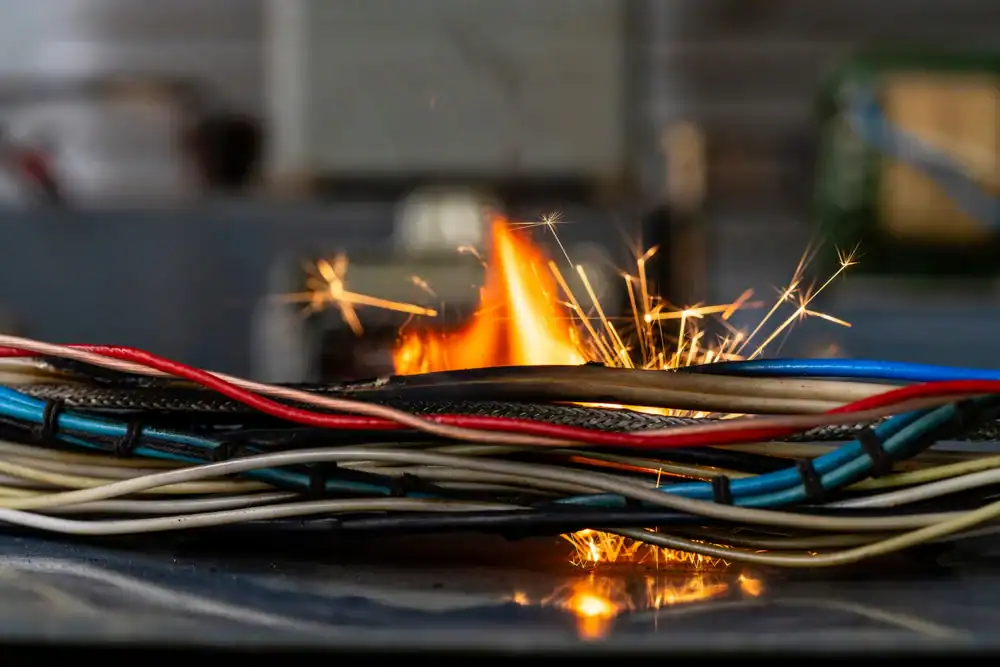
Sometimes the issue isn’t one circuit—it’s the whole panel. Multiple breakers tripping, flickering lights throughout the house, or outlets that feel warm to the touch all point to a panel that’s undersized or outdated. Many older homes in the Dallas-Fort Worth area still have 100-amp panels, which were fine in 1980 but can’t keep up with today’s electrical demands.
Modern homes typically need 200-amp service, especially if you’re running central air, a tankless water heater, an electric dryer, and all the usual electronics. If your panel is maxed out, adding more circuits or upgrading to a larger panel isn’t optional—it’s necessary for safety and functionality.
You’ll also want to look at the age of your panel. Homes built before 1990 with original panels are due for inspection. Breakers wear out over time. Connections loosen. Panels that were installed correctly 30 years ago can develop problems simply from age and use.
And if you have an old fuse box instead of breakers, you’re definitely overdue for an upgrade. Fuses were replaced by circuit breakers for good reason—they’re safer, more reliable, and they don’t require you to keep a stash of spare fuses in the garage.
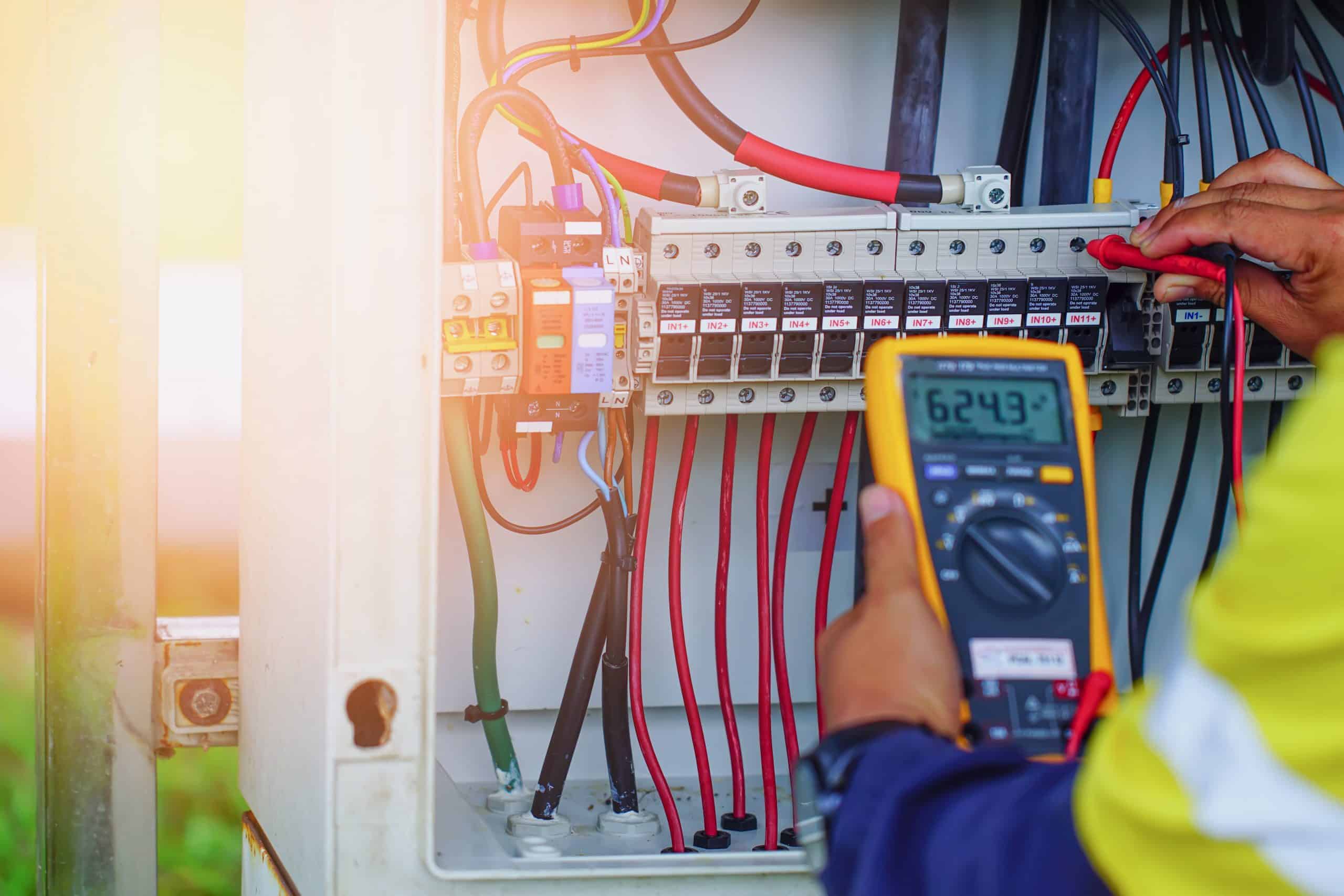
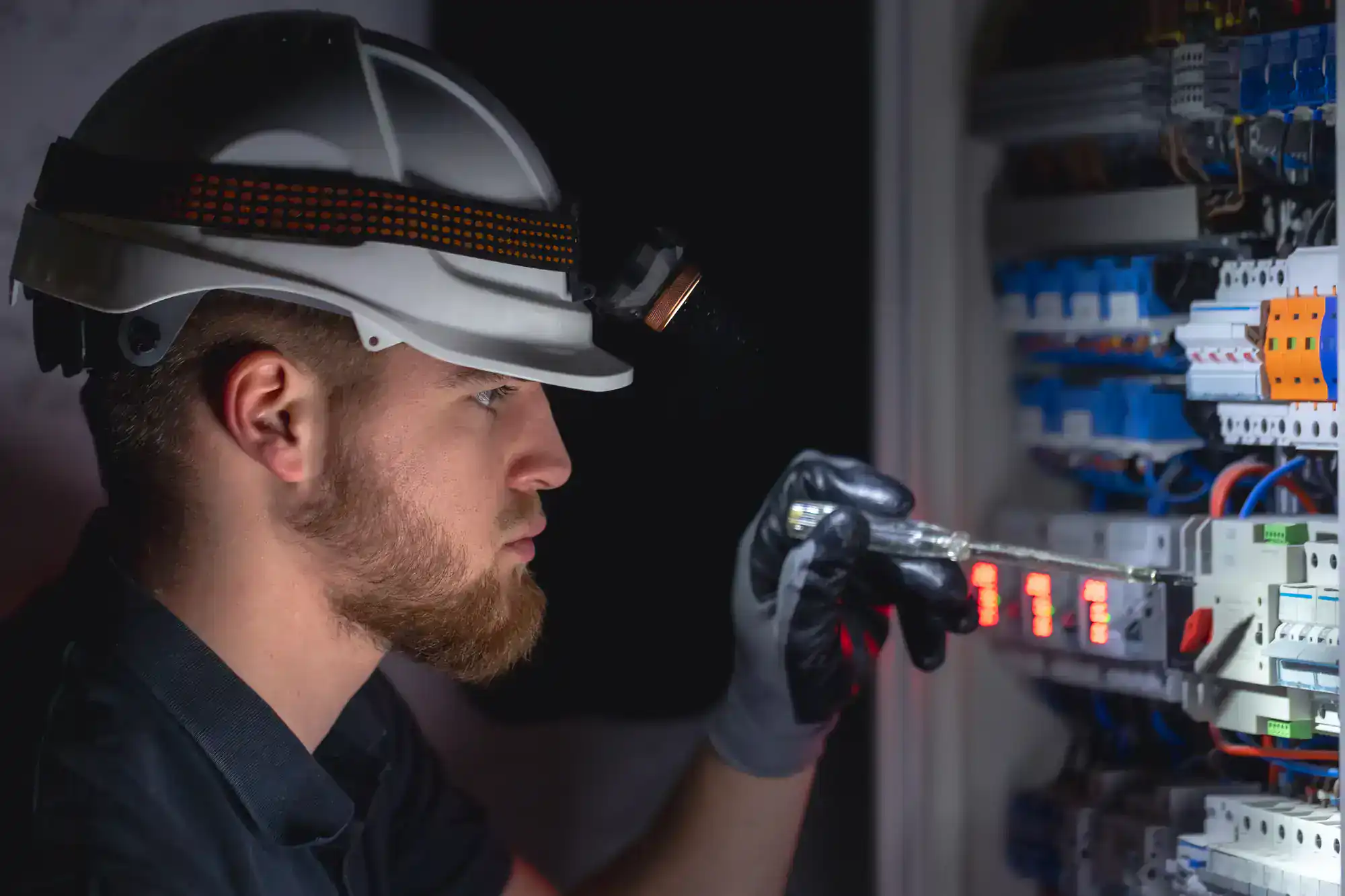
Here’s what a professional electrical troubleshooting inspection covers: checking for loose or corroded connections, testing each breaker to make sure it’s functioning properly, verifying that your panel meets current code requirements, and assessing whether your panel has enough capacity for your home’s electrical load. We also look for signs of overheating, improper wiring, and any modifications that were done incorrectly by previous owners or unqualified handymen.
Panels with scorch marks, rust, or moisture inside signal a serious problem. Panels should be dry and clean. If yours isn’t, water is getting in somehow, and that creates a major safety hazard. Same goes for panels that feel hot to the touch or emit a buzzing sound. Those are signs of a failing panel that needs immediate replacement.
One more thing: if you’re planning any major electrical work—adding a hot tub, installing an EV charger, finishing a basement—your existing panel might not have the capacity to handle it. A load calculation will tell you whether you need to upgrade before you start the project. It’s a lot cheaper to do it right the first time than to halfway finish a project and then realize your panel can’t support it.
Before you assume your wiring is shot, rule out the appliances. A failing motor in your AC unit, a fridge with a bad compressor, or a space heater with a short can all cause breakers to trip. These are expensive appliances, but they’re a lot less expensive than rewiring your house.
To test this, unplug the appliance, reset the breaker, and see if it stays on. If it does, plug the appliance into a different outlet—preferably on a different circuit. If the breaker on that circuit trips too, you’ve found your problem. The appliance is faulty, not your wiring.
Sometimes the breaker itself is the problem. Breakers aren’t lifetime devices. They wear out, especially if they’ve been tripped repeatedly over the years. A breaker that’s been overloaded too many times can become weak and trip at lower currents than it should. Or it might fail to trip when it’s supposed to, which is even more dangerous.
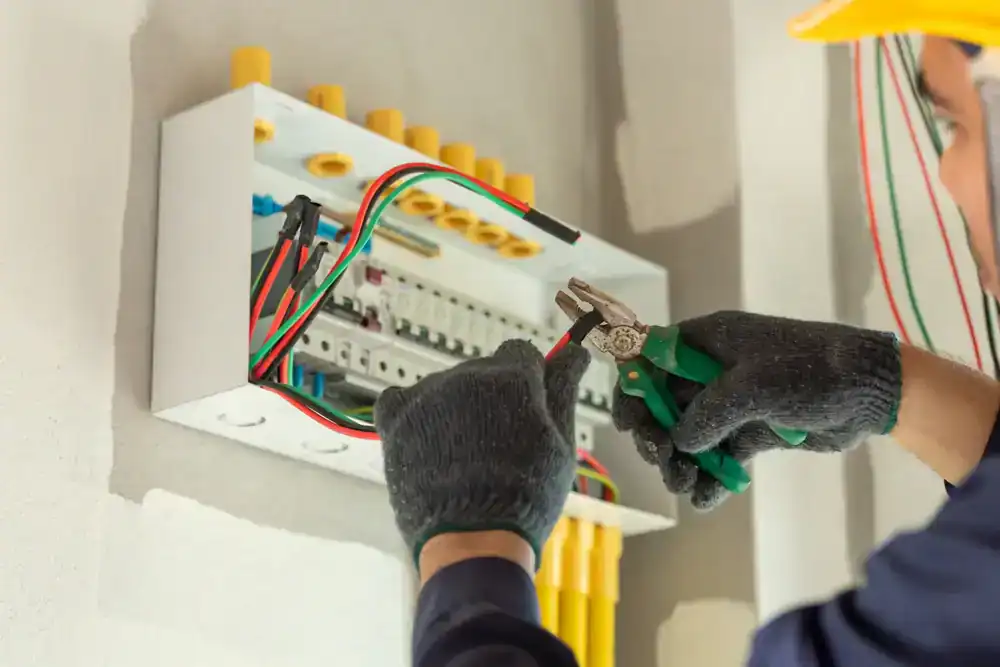
Once you’ve ruled out overloads, short circuits, and faulty appliances, and the breaker still trips randomly, the breaker itself might need replacing. This is a job for a licensed electrician. Replacing a breaker involves working inside your electrical panel with live wires, and that’s not something you do unless you know exactly what you’re doing.
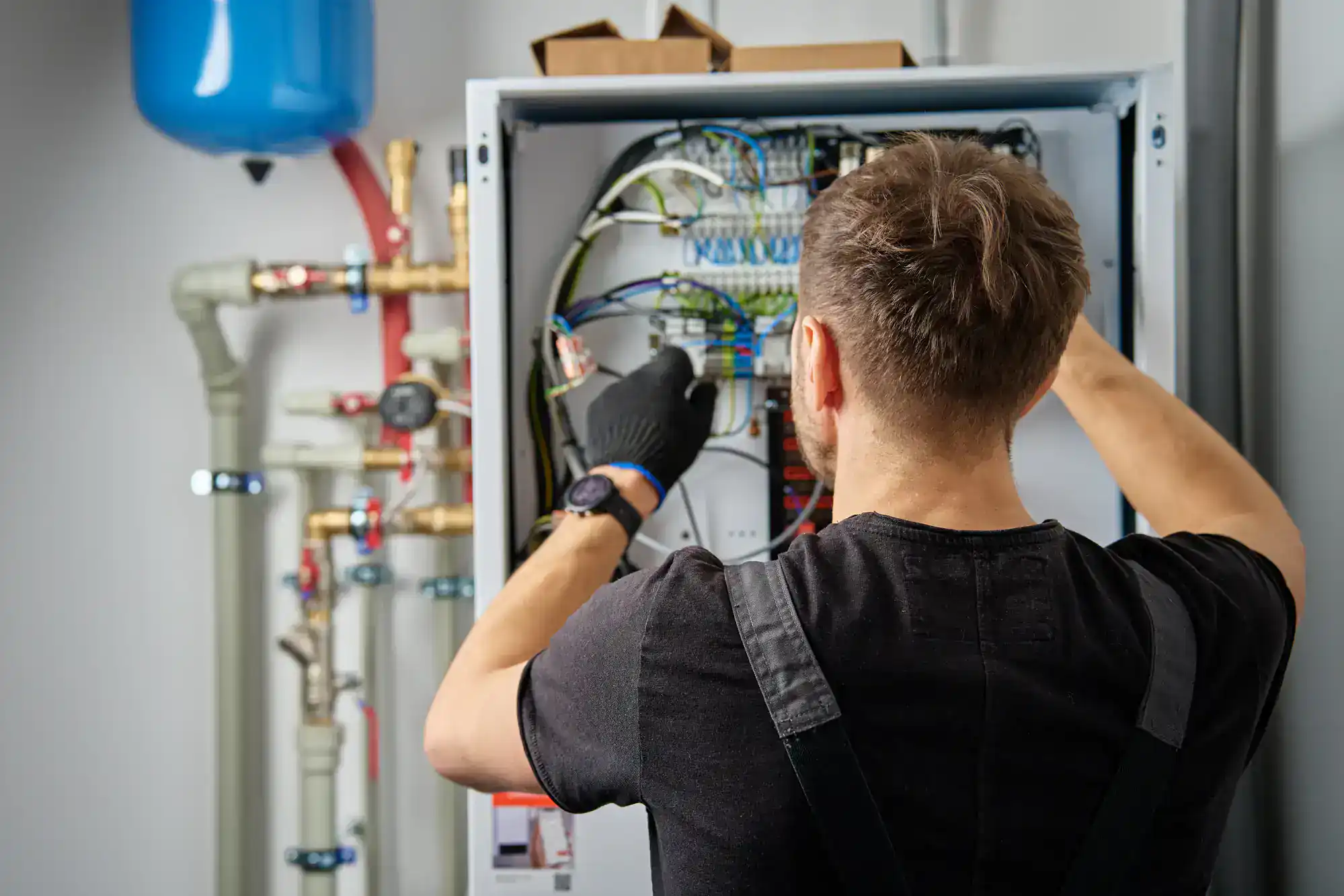
Here’s the reality: most people don’t know how to safely work inside an electrical panel. And that’s okay. You’re not supposed to. That’s why electricians exist. The risks—electrocution, fire, damage to your entire electrical system—far outweigh the cost of hiring someone who’s trained, licensed, and insured.
If your breaker keeps tripping after you’ve replaced it, that confirms the problem is elsewhere—your wiring, your panel, or your overall electrical load. At that point, you’re looking at a bigger project that requires a professional assessment.
Don’t ignore breakers that trip frequently. Every time a breaker trips, it’s under stress. Over time, that stress weakens the breaker and increases the risk that it won’t trip when it needs to. A breaker that fails to trip during an actual overload or short circuit is a breaker that can’t protect your home. And that’s when fires start.
Circuit breakers trip for a reason. Sometimes that reason is simple—you’re running too many things at once. Other times, it’s a warning sign of a serious electrical problem that could put your home and family at risk.
If you’re dealing with breakers that trip constantly, outlets that feel warm, burning smells, or any situation where the breaker won’t reset and stay on, don’t wait. These aren’t problems that get better on their own. They get worse. The longer you wait, the more likely you are to end up with damaged wiring, ruined appliances, or worse.
We’ve been helping Dallas-Fort Worth and Mid-Cities homeowners solve electrical problems for over 25 years. If your breakers keep tripping and you’re not sure why, reach out. We can diagnose the issue, explain your options, and fix it right the first time—so you can stop walking to that panel every ten minutes.
Article details:
Share:
Continue learning: