Discover essential electrical safety practices every Dallas County homeowner needs to know to protect their family and property.
Share:
Summary:
Your electrical system gives you plenty of warning before serious problems develop. The key is knowing what to watch for and taking action quickly.
Never ignore burning smells, sparking outlets, or circuit breakers that trip often. These aren’t minor inconveniences—they’re your home’s way of telling you something dangerous is happening. Flickering lights when large appliances start up could indicate loose or deteriorating wiring, which poses a serious fire hazard.
Warm outlets often indicate overloaded circuits, loose connections, or internal wiring problems that could lead to electrical fires if ignored. If you notice any outlet feels warm to the touch, stop using it immediately and have it inspected by a qualified electrician.

Most Dallas County homeowners experience occasional flickering lights, especially during summer months when AC units cycle on and off. But persistent flickering often points to deeper electrical issues that need professional attention.
Sometimes flickering happens when large appliances like air conditioners or refrigerators draw significant power. This is normal if it’s brief and only occurs when the appliance starts. However, if lights dim throughout your home or flicker constantly, you’re likely dealing with an overloaded circuit or faulty wiring.
Many older homes in Dallas were not built to handle the power demands of modern living, leading to repeated breaker trips, flickering lights, and even melted outlet covers. Your home’s electrical system might have been adequate when it was built, but today’s smart devices, large-screen TVs, and multiple charging stations create demands that older wiring simply can’t handle safely.
The solution isn’t always complicated. If the problem is due to an overloaded circuit, redistributing power usage across different outlets might solve the issue. But if the flickering persists or affects multiple rooms, you need professional diagnosis to rule out dangerous wiring problems.
Don’t wait until flickering becomes sparking. Dallas homeowners who notice persistent flickering should have their electrical system inspected, because if faulty wiring is the cause, professional intervention is necessary to prevent potential hazards.
Circuit breakers are designed to prevent electrical overloads and protect the home from potential fires. When they trip occasionally, they’re doing their job. But frequent tripping indicates your electrical system is struggling to keep up with demand.
Dallas homes, particularly older ones, may not be equipped to handle the growing number of electronic devices and appliances that modern families use daily. Think about how much your electrical usage has increased over the past decade. Home offices with multiple monitors, smart home devices, electric vehicle chargers , and powerful HVAC systems all draw significant power.
Homeowners experiencing regular breaker trips should consider redistributing the electrical load across different circuits or upgrading their electrical panel to accommodate higher energy demands. This isn’t just about convenience—it’s about safety. Overloaded circuits generate heat, and heat leads to fires.
A professional electrical inspection can determine whether your current panel can handle your family’s needs or if an upgrade is necessary. Homes 40+ years old with older wiring and outdated panels pose a higher fire risk, making this evaluation even more critical.
The investment in proper electrical capacity pays dividends in safety, reliability, and peace of mind. You shouldn’t have to choose between using your air conditioning and charging your devices safely.
Ground Fault Circuit Interrupter (GFCI) outlets and proper extension cord usage are two of the most important safety measures for preventing electrical accidents in your home. Understanding how they work and when to use them can literally save lives.
A GFCI quickly shuts off electricity when a ground-fault is detected, and since their introduction, there has been an 80% drop in electrocutions and a 93% drop in consumer product electrocutions. These aren’t just nice-to-have features—they’re essential safety devices that every Dallas County home needs in specific locations.
Extension cords, while convenient, create serious hazards when used improperly. Extension cords can become fire hazards when used without proper safety precautions, yet most homeowners don’t realize the risks they’re taking with everyday usage.

Older homes lack GFCI protection, increasing the risk of electrocution, especially in kitchens, bathrooms, and outdoor areas. If your Dallas County home was built before the 1990s, you likely need GFCI upgrades in several locations.
GFCI outlets should be used in damp areas of a home, including bathrooms, kitchens, garages and outdoor receptacles. The National Electrical Code requires GFCI protection anywhere water and electricity might come into contact, and for good reason—water dramatically increases the risk of fatal electrical shock.
All receptacles within six feet from the top inside edge of kitchen sinks require GFCI protection, including wet bar sinks, because many portable appliances have six-foot cords. This isn’t arbitrary—it’s based on real-world usage patterns and accident data.
Your outdoor outlets need special attention. Outdoor outlets should be plugged into a GFCI to prevent electric shock, electric fire hazard and electrocution. Dallas weather can be unpredictable, and rain, snow or excessive moisture even from morning dew can damage outdoor electrical outlets and cause fire hazards.
It’s important to test GFCI outlets monthly by plugging in a small device and pressing the “test” button—if the device turns off, the outlet is working correctly, and pressing “reset” should turn it back on. If this doesn’t work properly, the outlet needs immediate replacement.
Most household extension cords are rated for 7-10 amperes, but appliances like toasters and irons often draw 10-12 amps, and since household circuits typically trip at 20 amps, they won’t protect the cord from overload. This creates a dangerous situation where the extension cord becomes overloaded and overheated.
Extension cords are designed for temporary use, so be careful not to overload them or wall outlets. Running permanent household items through extension cords isn’t just inconvenient—it’s a fire hazard. Never use an extension cord with a space heater or major appliance—plug them directly into wall outlets and have an electrician install additional outlets where you need them.
Inspect extension cords for physical damage before use, checking for cracked or frayed sockets, loose or bare wire, missing grounding prongs, and loose connections, and discard damaged cords. If any extension cord begins to feel hot to the touch, remove it from service immediately.
Never place electrical wiring and extension cords under rugs—although this prevents tripping, if the cord becomes worn or overheats, it becomes a fire hazard. Don’t use multiple extension cords connected together—use a longer extension cord instead.
Always use proper GFCI protection when using extension cords outdoors or anywhere where water and electricity can mix. Dallas County’s unpredictable weather makes this especially important for outdoor projects and holiday lighting.
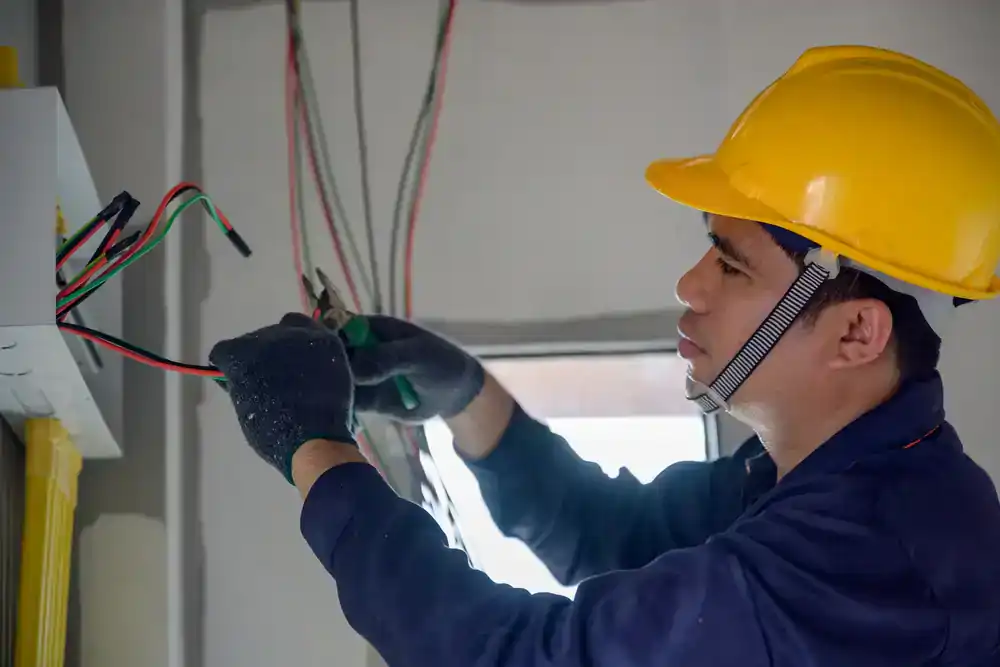
Electrical safety isn’t something you can set and forget. For maximum safety, schedule yearly electrical safety inspections, because preventative maintenance is much more affordable than emergency electrical repairs caused by overlooked hazards.
Experts recommend electrical inspections every three to five years for older homes, but annual inspections provide the best protection for your family and property. A majority of electrical fires may be prevented by having your home inspected frequently—experts recommend inspections at least every 5 years for rental properties and every 10 years for homeowners.
The warning signs we’ve discussed—flickering lights, tripping breakers, warm outlets, and burning smells—shouldn’t be ignored. When you notice these issues, you need professional evaluation from experienced electricians who understand Dallas County’s unique electrical challenges and local code requirements. We have been protecting Dallas-Fort Worth families for over 25 years, combining deep local knowledge with the expertise to keep your home safe and code-compliant.
Article details:
Share:
Continue learning: