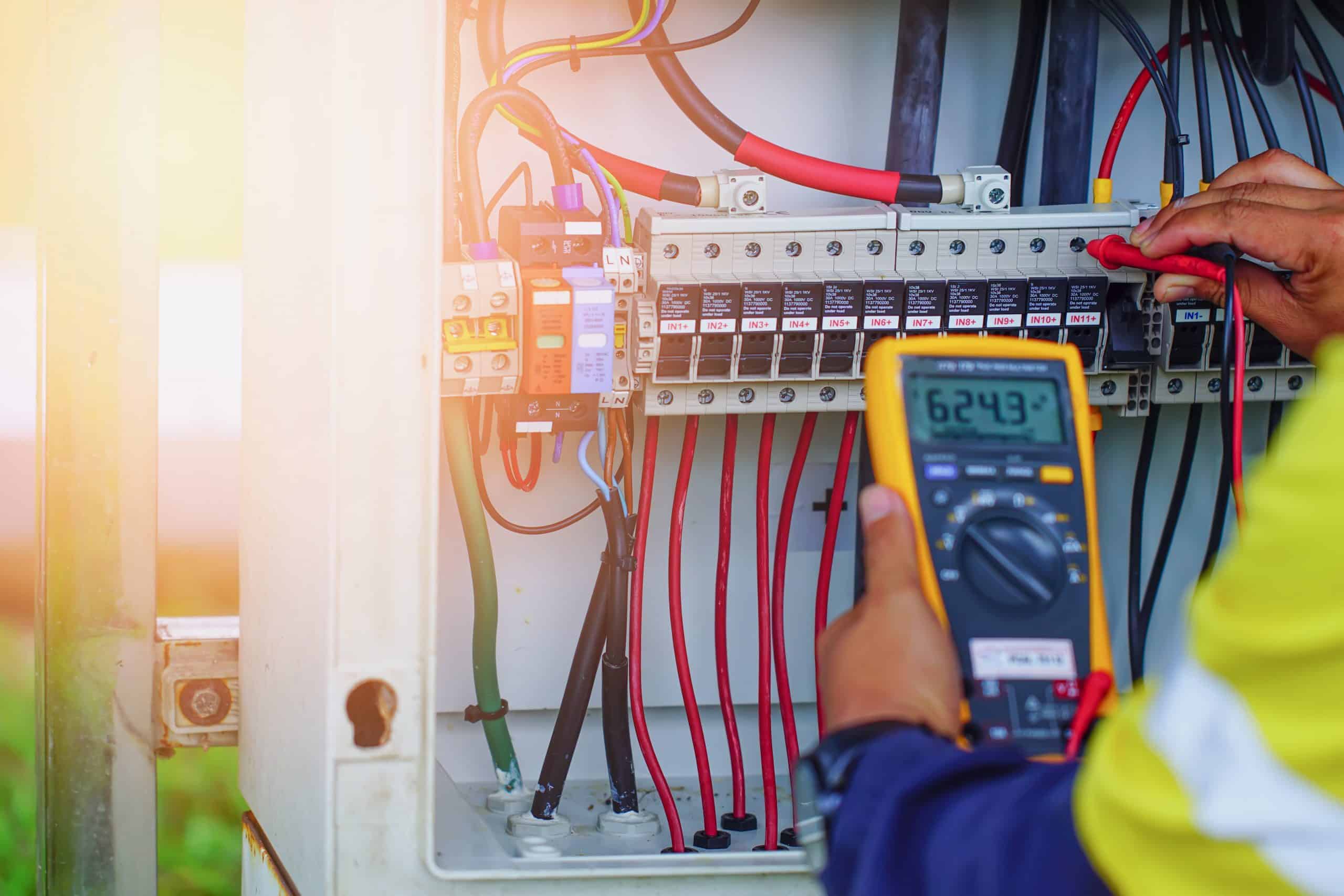
Texas grid failures and storm-related outages make generator installation more than a convenience—it's essential protection for your DFW home and family.
Share:
Summary:
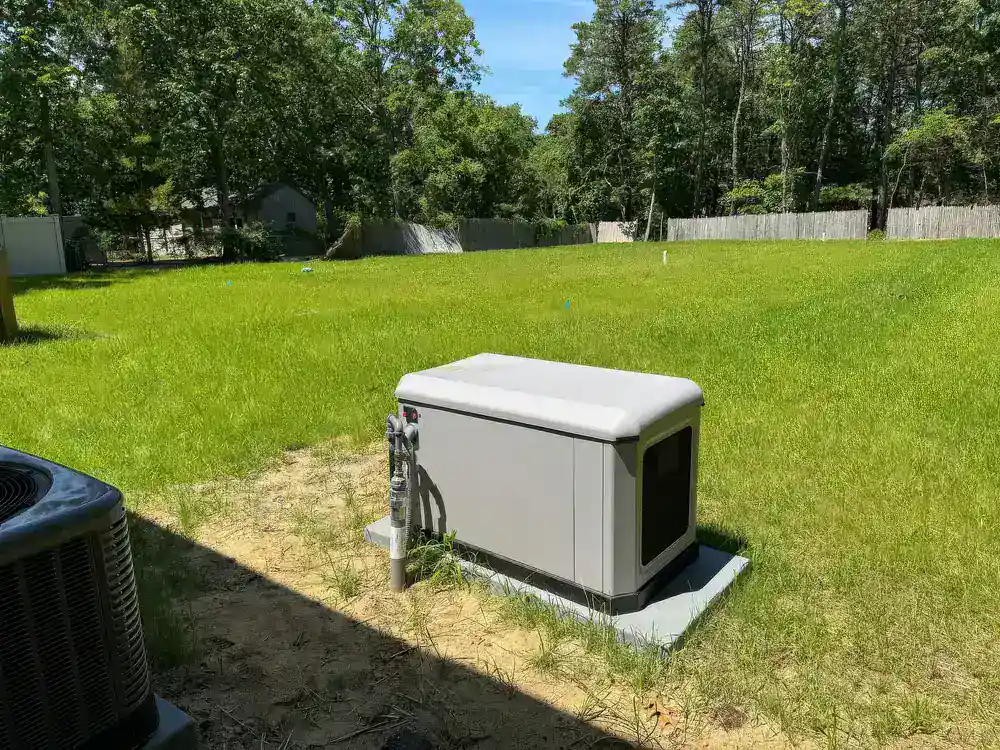
A whole-home standby generator is a permanent backup power system installed outside your home that automatically kicks in when the grid goes down. Unlike portable generators that require you to haul them outside, fuel them up, and run extension cords through your house, a standby unit does all the work for you. It’s hardwired into your home’s electrical system and connected to your natural gas or propane line, so there’s no refueling, no manual startup, and no scrambling in the dark.
When utility power fails, an automatic transfer switch detects the outage within seconds and signals your generator to start. The switch then safely disconnects your home from the grid and transfers power to the generator. The whole process happens in less than 10 seconds. Your lights stay on, your HVAC keeps running, and your refrigerator never stops cooling.
Once grid power is restored, the system automatically switches back and shuts the generator down. You don’t touch a thing. That’s the advantage of a professionally installed system—it’s built to handle everything on its own, whether you’re home or halfway across Tarrant County.
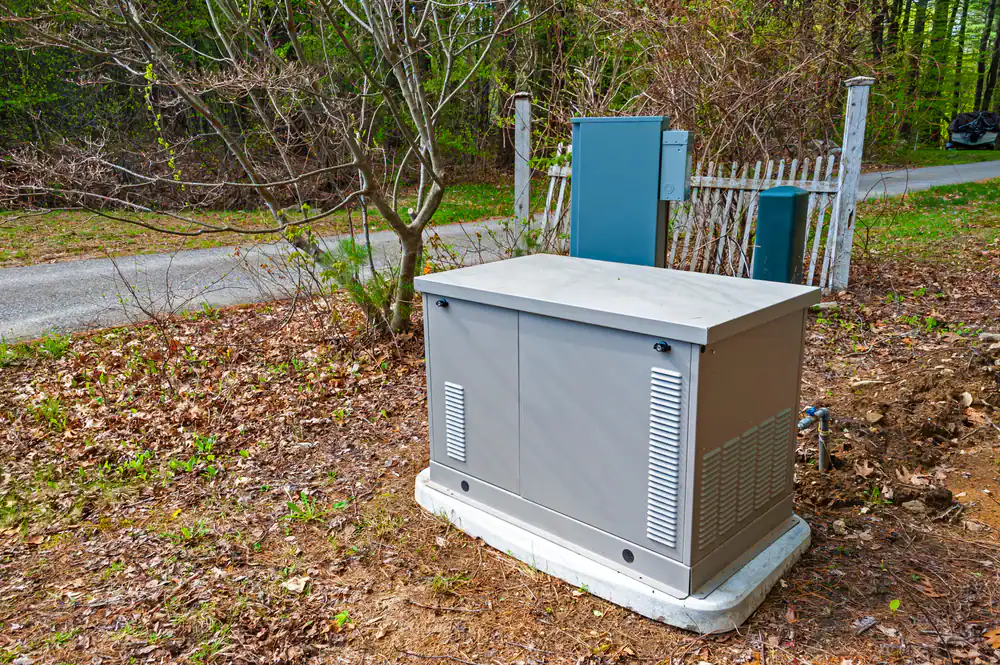
The automatic transfer switch is the brain behind your backup power system, and understanding how it works helps you see why professional installation matters so much. This device constantly monitors the voltage and frequency of your utility power. The moment it detects a drop below safe levels or a complete outage, it sends a start signal to your generator.
While the generator warms up and stabilizes, the transfer switch waits to confirm that the backup power is within the right voltage and frequency range. Only then does it disconnect your home from the utility grid and connect it to the generator. This break-before-make process prevents backfeeding, which is when generator power flows back into utility lines and creates a serious safety hazard for utility workers trying to restore power.
Once the grid comes back online and stabilizes, the transfer switch reverses the process. It reconnects your home to utility power, signals the generator to shut down, and returns to standby mode. The whole sequence is automated and designed to protect both your home and the electrical infrastructure around you.
There are different types of transfer switches depending on your needs. Open transition switches are the most common for residential use. They create a brief interruption during the switch, but it’s so short that most homeowners don’t even notice. Closed transition switches are designed for applications where even a momentary power loss could cause problems, like homes with sensitive medical equipment or data servers.
Sizing the transfer switch correctly is just as important as sizing the generator itself. If your home has a 200-amp main breaker panel, you’ll need a 200-amp transfer switch. If you’re only powering essential circuits, you can use a smaller switch, but that means some parts of your home won’t have backup power during an outage.
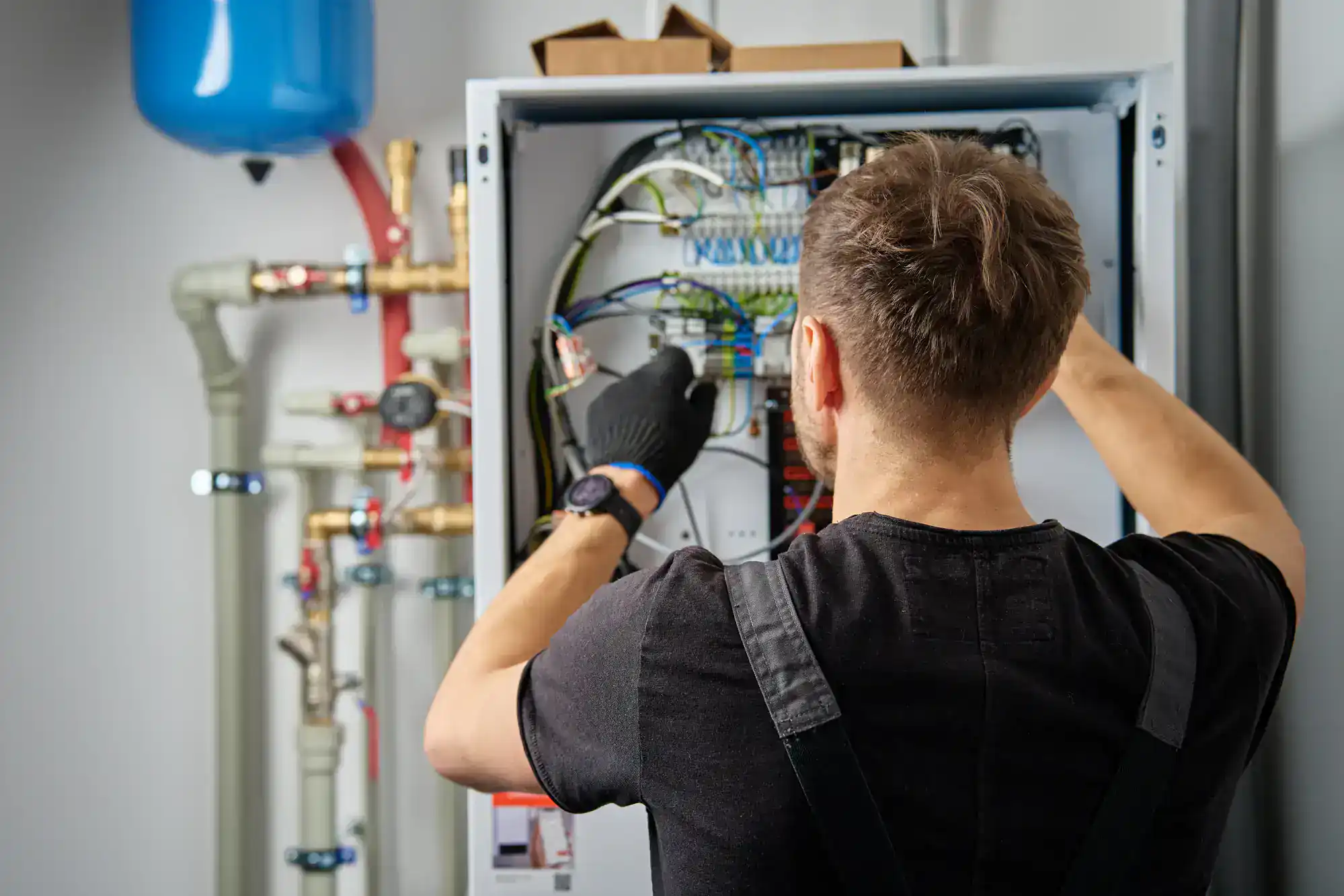
We’ll install the transfer switch near your main electrical panel and connect it to the circuits you want powered during an outage. We’ll also wire it to the generator and test the entire system to make sure everything switches smoothly. This isn’t a DIY project. Improper installation can damage your electrical system, void your warranty, or create dangerous conditions.
The transfer switch is what makes standby generators so much more reliable than portable units. You don’t have to be home when the power goes out. You don’t have to worry about forgetting to start the generator or running out of fuel. It all happens automatically, and that peace of mind is worth every penny.
One of the first decisions you’ll make when planning a generator installation is choosing between natural gas and propane. Both fuels work well for standby generators, but they have different advantages depending on your home’s setup and your priorities.
Natural gas generators connect directly to your home’s existing gas line, assuming you already have natural gas service. This is the most convenient option because you never have to worry about refueling. As long as the gas utility is running, your generator has an unlimited fuel supply. Natural gas is also typically less expensive per unit of energy than propane, which can save you money if you experience frequent or extended outages.
The downside? Natural gas service can be interrupted during major disasters, especially if underground lines are damaged. It’s rare, but it’s something to consider if you live in an area prone to severe storms or infrastructure issues. You’ll also need to make sure your gas meter can handle the additional load from the generator. In some cases, the utility company may need to upgrade your meter, which adds to the installation cost but is usually a straightforward process.
Propane generators use a dedicated propane tank installed on your property, typically a 250-gallon or 500-gallon tank depending on your generator size and expected runtime. Propane gives you complete independence from utility infrastructure. Even if the gas lines go down, your generator will keep running as long as you have fuel in the tank. Propane also burns cleaner than gasoline or diesel, which means less maintenance and longer engine life.
The tradeoff is that you’ll need to monitor your propane levels and schedule refills. Most homeowners set up automatic delivery with their propane supplier to avoid running low. Propane is also slightly more expensive than natural gas on a per-unit basis, and you’ll need space on your property for the tank. Underground tanks cost more to install but are less visible. Above-ground tanks are cheaper but more noticeable.
Both fuel types are safe and reliable when installed correctly. Natural gas makes sense if you already have service and want the simplest, most hands-off solution. Propane is the better choice if you want true energy independence or if natural gas isn’t available in your area. Either way, we’ll handle all the fuel line connections and make sure everything meets local codes and safety standards.
Your fuel choice also affects how long your generator can run during an extended outage. Natural gas generators can theoretically run indefinitely as long as the gas supply holds. Propane generators are limited by tank size, but a 500-gallon tank can power a typical home for several days or even a couple of weeks depending on your electrical load. Most manufacturers recommend limiting continuous runtime to around 500 hours to avoid excessive wear, but that’s far longer than most outages last.
The bottom line? Both options work. Your decision should be based on what’s already available at your property, how much independence you want from utility infrastructure, and whether you’re comfortable managing propane deliveries. We’ll walk you through the pros and cons based on your specific situation and help you make the right call.
The conversation around backup power in North Texas has shifted dramatically over the last few years. What used to be seen as a luxury for high-end homes is now something middle-class families are seriously considering. The reason is simple—outages are happening more often, lasting longer, and affecting more people than ever before.
Between 2019 and 2024, power outages in the Dallas-Fort Worth region increased by 35 percent. The average outage now lasts around 12 hours, but that number doesn’t tell the whole story. Some neighborhoods go days without power after major storms. The February 2021 winter storm left more than 4.5 million Texas homes and businesses without electricity, some for nearly a week. Two years later, another winter storm knocked out power for over 500,000 people across Dallas County and surrounding areas, and more than 300,000 were still in the dark days after the event started.
These aren’t isolated incidents. They’re part of a larger pattern driven by aging infrastructure, extreme weather, and a power grid that’s struggling to keep up with demand. Texas operates on its own grid, which means there’s limited ability to pull power from neighboring states during emergencies. When the system gets stressed, rolling blackouts and extended outages become the norm.

The Texas power grid has been under intense scrutiny since the 2021 winter storm exposed how vulnerable the system really is. While improvements have been made, experts agree that the grid is still at risk during extreme weather events. The state has moved from “highly fragile” to “conditionally reliable,” but the margin for error remains thin, especially during prolonged cold snaps or heat waves.
One of the biggest issues is the grid’s heavy reliance on natural gas. During the 2021 freeze, natural gas facilities failed first and worst. Frozen wellheads, processing plants, and pipelines caused a cascading failure that took down power plants across the state. Even though weatherization mandates were put in place after the crisis, power plants and gas facilities still experienced failures during the December 2022 cold snap. The system performed better than in 2021, but it wasn’t flawless.
Renewable energy sources like wind and solar are growing rapidly in Texas, but they come with their own challenges. Wind and solar are intermittent, meaning their output depends on weather conditions and time of day. When the wind isn’t blowing or the sun isn’t shining, the grid has to rely on traditional thermal plants—coal and natural gas. The problem is that many of these plants are aging, and market incentives for building new thermal capacity are inadequate. As renewable capacity grows without corresponding growth in reliable backup generation, the grid becomes more vulnerable to supply-demand mismatches during extreme weather.
For homeowners in Tarrant County, Dallas County, and Denton County, this means you can’t count on the grid to always be there when you need it most. Summer heat waves push demand to record highs. Winter freezes knock out generation capacity. Severe storms damage transmission lines and transformers. And because Texas’ grid is largely isolated from the rest of the country, there’s limited ability to import power during emergencies.
A standby generator removes your dependence on the grid. When ERCOT issues conservation alerts or rolling blackouts, your home stays powered. When ice storms knock down power lines, your generator keeps your heat running. When summer demand spikes and the grid struggles to keep up, you don’t have to worry about your air conditioning cutting out. You’re not at the mercy of a system that’s been pushed to its limits.
This isn’t about being paranoid or expecting the worst. It’s about being realistic. The grid has failed before, and it will fail again. The question isn’t if, but when. And when it does, having your own backup power means your family stays safe, comfortable, and connected no matter what’s happening outside your property line.
Texas weather is unpredictable, and that unpredictability is one of the biggest reasons homeowners invest in backup power. From tornadoes in the spring to hurricanes along the coast to ice storms in the winter, severe weather is a constant threat. And when those storms hit, power outages follow.
Extended outages aren’t just inconvenient. They’re dangerous. In the summer, losing air conditioning during a heat wave can lead to heat exhaustion or heat stroke, especially for elderly family members or young children. In the winter, losing heat can result in frozen pipes, water damage, and unsafe indoor temperatures. If anyone in your home relies on medical equipment like oxygen concentrators, CPAP machines, or refrigerated medications, a power outage becomes a life-threatening emergency.
A generator keeps your HVAC system running, which means your home stays at a safe temperature regardless of what’s happening outside. It keeps your refrigerator and freezer operational, so you don’t lose hundreds of dollars worth of food. It powers your sump pump, so your basement doesn’t flood. It keeps your well pump running if you’re on a well system, so you have water for drinking, cooking, and flushing toilets. And it keeps your Wi-Fi and internet connected, so you can stay informed, communicate with family, and work remotely if needed.
Beyond the practical benefits, there’s the peace of mind that comes with knowing you’re prepared. When a storm is on the way, you’re not scrambling to buy a portable generator or waiting in line at the gas station. You’re not worrying about whether the power will hold or how long you’ll be without it. You’re ready. Your generator is tested, fueled, and standing by. And when the lights go out for your neighbors, yours stay on.
Storm preparedness also means protecting your home from damage. Power surges when the grid comes back online can fry electronics, damage appliances, and shorten the lifespan of your HVAC system. A generator with a properly installed transfer switch eliminates that risk because your home is isolated from the grid during the outage and reconnected smoothly once power is restored. You avoid the surge, and your equipment stays safe.
For families with elderly parents or young children, the stakes are even higher. Extreme temperatures are more than uncomfortable—they’re dangerous. A generator ensures that your home remains a safe refuge no matter how long the power is out. You’re not evacuating to a hotel or a relative’s house. You’re not sitting in the dark wondering when things will get back to normal. You’re living your life with minimal disruption, and that’s the whole point.
The cost of a generator installation might seem high upfront, but when you compare it to the cost of replacing spoiled food, repairing frozen pipes, replacing damaged electronics, or dealing with a medical emergency because critical equipment lost power, the investment makes sense. You’re not just buying a piece of equipment. You’re buying protection, security, and the ability to weather any storm without losing what matters most.
Investing in a generator installation isn’t about living in fear of the next outage. It’s about taking control of something you can actually control. You can’t fix the Texas grid. You can’t stop the storms. But you can make sure your home and your family are protected when things go wrong.
The DFW and Mid-Cities area has proven time and again that power outages aren’t rare events. They’re a regular part of life in North Texas, and they’re getting worse. Whether it’s extreme heat, winter freezes, or severe storms, the grid is under constant pressure, and homeowners are paying the price. A professionally installed standby generator gives you independence from that system and the confidence that comes with being prepared.
If you’re ready to protect your home with a backup power system, we’re here to help. With over 25 years of experience serving the Dallas-Fort Worth and Mid-Cities area, our licensed and insured team specializes in generator installations, automatic transfer switches, and whole-home electrical solutions. We’ll walk you through the process, size the system correctly for your needs, and handle every detail from permits to final testing. Reach out to us today and take the first step toward true peace of mind.
Article details:
Share:
Continue learning: