Older Texas homes carry hidden electrical fire risks. Discover how aluminum wiring, outdated circuit breakers, and inadequate capacity threaten DFW families—and what you can do about it.
Share:
Summary:
Homes built in the DFW area before 1990 carry electrical systems designed for a completely different world. Most were wired with 60 to 100-amp service panels. That was adequate when homes had window units instead of central air, one television instead of five screens, and minimal electronics.
Today’s electrical demands have tripled or quadrupled what those systems were built to handle. Modern homes typically require 200-amp service just to operate safely. When you push an outdated system beyond its capacity, wires overheat, connections loosen, and components fail in ways that start fires.
The materials used decades ago also create problems that didn’t exist when they were installed. Aluminum wiring seemed like a smart, cost-effective choice in the 1960s and 70s. Insulation materials break down. Connections corrode. The electrical code has evolved dramatically because we learned these systems fail in dangerous ways.

Between 1965 and 1973, builders installed aluminum wiring in roughly two million American homes. If your DFW home was built during this period, there’s a strong chance you have aluminum branch circuit wiring running through your walls. The problem isn’t that aluminum can’t conduct electricity—it does that just fine. The danger lies in how aluminum behaves at connection points.
Aluminum expands and contracts far more than copper when it heats up and cools down. Every time you use electricity, current flowing through the wire generates heat. The wire expands slightly. When you turn things off, it contracts. This constant movement gradually loosens connections at outlets, switches, and junction boxes.
Loose connections create resistance. Resistance generates more heat. The additional heat causes further expansion and more loosening. This cycle continues until connections become hot enough to ignite surrounding materials. Homes with aluminum wiring are 55 times more likely to reach fire hazard conditions at outlets compared to homes with copper wiring.
The situation gets worse when aluminum connects to copper components. Most outlets, switches, and panel connections use copper or brass terminals. When aluminum wire touches copper, a galvanic reaction occurs that causes oxidation and corrosion. This oxidation increases electrical resistance at the connection point, which means the wire has to work harder and gets hotter during normal use.
You can’t see this happening. The connections are hidden inside outlet boxes and panels. By the time you notice flickering lights or warm switch plates, the degradation is already significant. The oxidation layer that forms on aluminum doesn’t conduct electricity well, so power has to arc across microscopic gaps. That arcing generates intense localized heat that can melt insulation and ignite wood framing.
The softness of aluminum creates another problem. When electricians tighten terminal screws onto aluminum wire, the metal deforms or “creeps” over time. This deformation loosens the connection gradually—not in days or weeks, but over years. One day the connection that seemed solid when installed has become loose enough to arc and overheat.
Professional aluminum wiring repair involves either complete replacement with copper wiring or specialized remediation techniques. Pigtailing uses short copper wire sections connected to the aluminum with approved connectors, then connects the copper to devices. COPALUM connectors create permanent cold-welded connections between aluminum and copper. Both methods require specific expertise and proper materials—standard wire nuts don’t work safely for aluminum-to-copper connections.
Your circuit breaker panel serves one critical function—cutting power when electrical current exceeds safe levels. When breakers work correctly, they trip before wires can overheat and start fires. When they fail, dangerous current continues flowing through circuits that can’t handle the load.
Federal Pacific Electric panels represent the most dangerous example of breaker failure. Installed in millions of homes between the 1950s and 1980s, FPE panels have a documented failure rate that should terrify any homeowner. Testing shows that one in four FPE breakers fails to trip during overload or short circuit conditions. The manufacturer falsified testing data to obtain safety certification, so these panels never actually met National Electrical Code requirements.
When an FPE breaker fails to trip, electricity surges through circuits without interruption. Wires inside your walls heat up beyond their rated capacity. Insulation melts. Wood framing chars. By the time you smell smoke or see flames, the fire has already spread through areas you can’t reach with an extinguisher. These panels are responsible for approximately 2 to 3 percent of all residential fires in the United States.
Zinsco panels carry similar risks with a slightly different failure mode. These panels, popular in the 1970s and often labeled GTE-Sylvania after the company was sold, have breakers that can melt and fuse to the main bus bar inside the panel. When this happens, the breaker appears to be off or tripped but continues allowing power to flow. You think the circuit is dead, but it’s still energized—a recipe for electrocution during repairs or fires from continued overload.
The melting issue stems from poor-quality aluminum components and inadequate connection design. As breakers heat up during normal use, aluminum clips expand and lose contact with the bus bar. This creates arcing, which generates even more heat. The arc welds the breaker to the bus bar in a permanently “on” position. Once this occurs, nothing can stop power flow except shutting off the main breaker or having the utility disconnect service.
Even panels without these specific brand problems become fire hazards as they age. Breakers wear out. Internal components corrode. The panel itself may not have sufficient capacity for loads you’ve added over the years. If your home still uses a fuse box instead of circuit breakers, you’re dealing with technology that predates modern safety standards and can’t protect against many electrical faults.
Many older panels lack ground fault circuit interrupter (GFCI) and arc fault circuit interrupter (AFCI) protection that current code requires. GFCIs prevent electrocution by detecting ground faults and cutting power in milliseconds. AFCIs recognize the electrical signature of dangerous arcing in damaged wires and shut down circuits before fires start. Without these protections, your home is vulnerable to hazards that newer systems prevent automatically.
Upgrading your electrical panel isn’t just about adding capacity—though that matters. It’s about replacing components that may fail catastrophically with modern safety devices that actually protect your family. The investment in panel replacement costs far less than rebuilding after an electrical fire, and it’s required if you want to maintain homeowners insurance on many older properties.
Prevention starts with understanding what you’re dealing with. You can’t fix problems you don’t know exist, and electrical hazards hide effectively until they cause fires. Professional electrical safety inspections identify risks before they become emergencies.
A thorough inspection examines your entire electrical system—not just the obvious parts. Licensed electricians check panel capacity and breaker condition, test outlets for proper grounding and polarity, identify aluminum wiring and evaluate connections, look for overloaded circuits and improper modifications, and verify GFCI and AFCI protection where required.
Homes over 40 years old should have electrical inspections every one to three years. Newer homes can extend that to every three to five years. But if you’re experiencing warning signs—flickering lights, warm outlets, frequent breaker trips, burning smells—you need an inspection immediately, regardless of when the last one occurred.

Ground fault circuit interrupters save lives by detecting when electrical current takes an unintended path to ground. This happens when electricity flows through water, a person’s body, or damaged equipment instead of following its proper circuit. GFCIs monitor the current flowing out through the hot wire and back through the neutral wire. If even a tiny imbalance exists—as little as 4 to 6 milliamps—the GFCI cuts power in a fraction of a second.
Texas adopted the 2023 National Electrical Code effective September 1, 2023. This update significantly expanded GFCI requirements beyond what older homes have. The most dramatic change affects kitchens. Previous code required GFCI protection only for countertop receptacles within a certain distance of sinks. The new code requires GFCI protection for all receptacles in kitchens—including outlets for refrigerators, disposals, and microwaves.
This expansion recognizes that water sources exist throughout kitchens, not just at sinks. Refrigerator ice makers and water dispensers create moisture. Dishwashers can leak. Even humidity from cooking creates conditions where electricity and water might meet. GFCI protection in these locations prevents electrocution when someone touches an appliance that has developed a ground fault.
The code also requires GFCI protection for major appliances including ranges, wall ovens, counter-mounted cooking units, clothes dryers, and microwave ovens. This represents a major shift from previous requirements and means older homes need significant electrical upgrades to meet current safety standards.
Bathrooms, garages, outdoor outlets, basements, and laundry rooms all require GFCI protection under current code. Many older homes have standard outlets in these locations. Installing GFCI outlets or GFCI breakers brings these circuits into compliance and eliminates shock hazards that older installations ignore.
GFCI protection also helps prevent certain types of electrical fires. Ground faults can generate significant heat at the point where current leaks to ground. By interrupting power immediately when ground faults occur, GFCIs prevent this heat from igniting nearby combustible materials. They won’t stop all electrical fires—they’re specifically designed for ground fault protection—but they eliminate an entire category of hazards.
Installing GFCI outlets requires proper technique. The devices have LINE and LOAD terminals that must be connected correctly. Reversing these connections means the GFCI won’t provide protection to downstream outlets. In homes with aluminum wiring, special connectors and installation procedures are required to prevent connection failures. This isn’t work for weekend DIY projects—incorrect GFCI installation creates a false sense of security while providing no actual protection.
Testing GFCI outlets monthly ensures they’re functioning correctly. Each GFCI has TEST and RESET buttons. Pushing TEST should immediately cut power to the outlet. If it doesn’t trip, the device has failed and needs replacement. GFCIs do wear out over time, especially in locations with frequent power interruptions or electrical noise. Regular testing catches failures before you need the protection.
You don’t need to be an electrician to spot warning signs that your home’s electrical system needs professional attention. Regular visual inspections catch obvious problems before they escalate into emergencies. Walk through your home and look for specific indicators that electrical hazards exist.
Start with outlets and switches. Touch cover plates throughout your home. They should feel cool or at most slightly warm. If any outlet or switch plate feels hot to the touch, that circuit is overloaded or has a poor connection generating heat. Turn off the circuit at the breaker and call a licensed electrician before using it again. Check that all outlets and switches have proper cover plates with no gaps where wiring is exposed.
Test outlets by plugging something in. Plugs should fit snugly—not loose. Loose-fitting outlets indicate worn contacts that create resistance and heat. Look for any discoloration around outlets. Brown or black marks suggest arcing or overheating has occurred. These outlets need immediate replacement along with investigation of what caused the problem.
Count how many devices you have plugged into each outlet. If you’re using power strips or extension cords to multiply the number of things one outlet can power, you’re probably overloading that circuit. Extension cords are designed for temporary use, not permanent solutions. Multiple extension cords daisy-chained together create serious fire hazards. Heavy appliances should never run on extension cords—they draw too much current for the cord to handle safely.
Examine visible wiring in your attic, basement, and garage. Look for cracked, frayed, or brittle insulation. If you can see bare wire where insulation has deteriorated, that’s an immediate shock and fire hazard. Check for wiring that looks like it’s been modified by someone who didn’t know what they were doing—wires twisted together without proper junction boxes, incorrect wire sizes for the circuit load, or wiring that doesn’t match any recognized installation method.
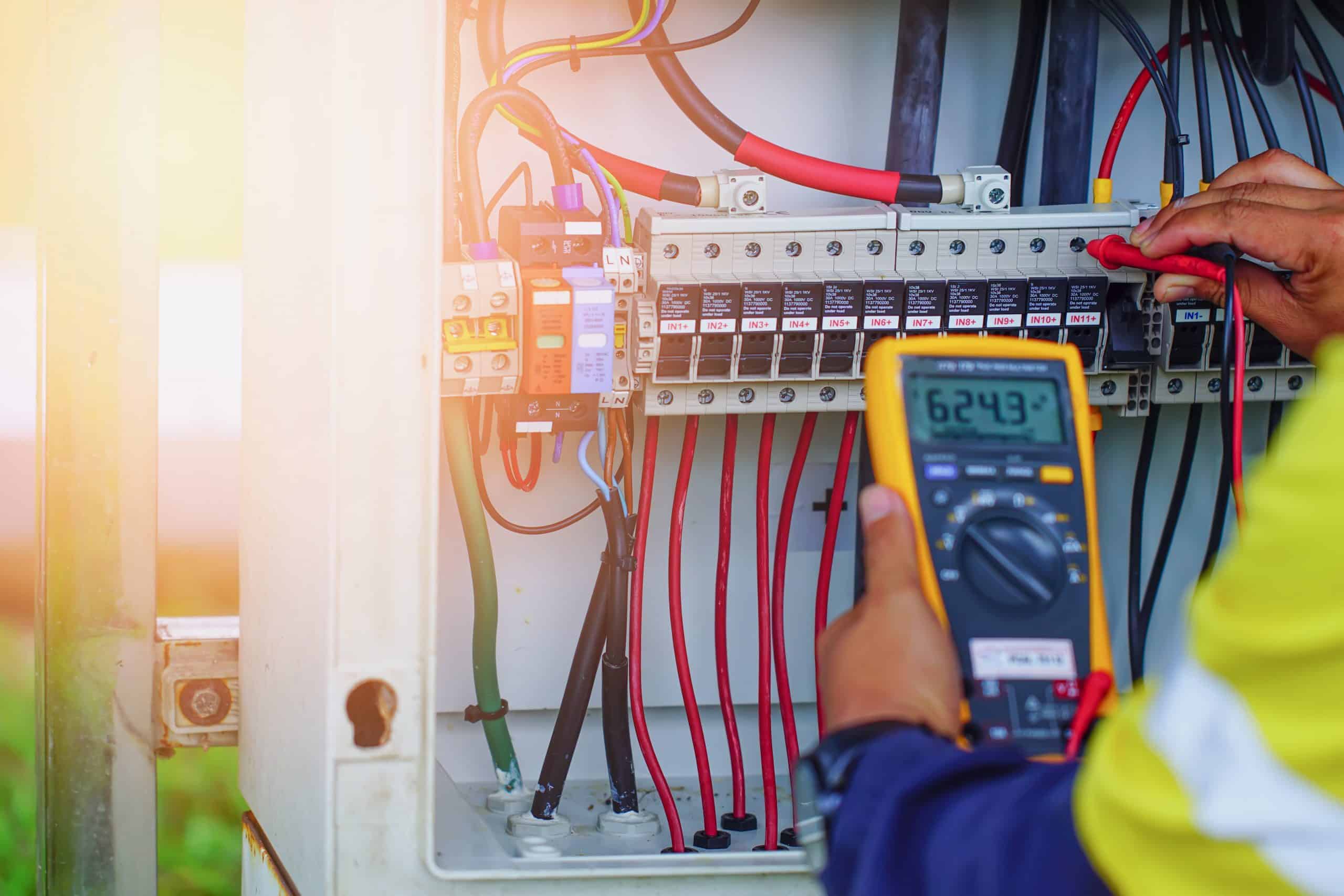
Pay attention to your circuit breaker panel. Open the panel door and look inside without touching anything. Do you see any breakers that look scorched or discolored? Can you smell burning plastic? Are there any breakers that feel hot when you carefully touch them with the back of your hand? These signs indicate serious problems that need professional evaluation immediately.
Notice how often breakers trip. If you’re resetting the same breaker repeatedly, that circuit is overloaded or has a fault. Don’t just keep resetting it—that breaker is trying to protect you by cutting power. Repeatedly resetting a tripping breaker while ignoring the underlying problem can lead to fires. The same applies if you have fuses that blow frequently.
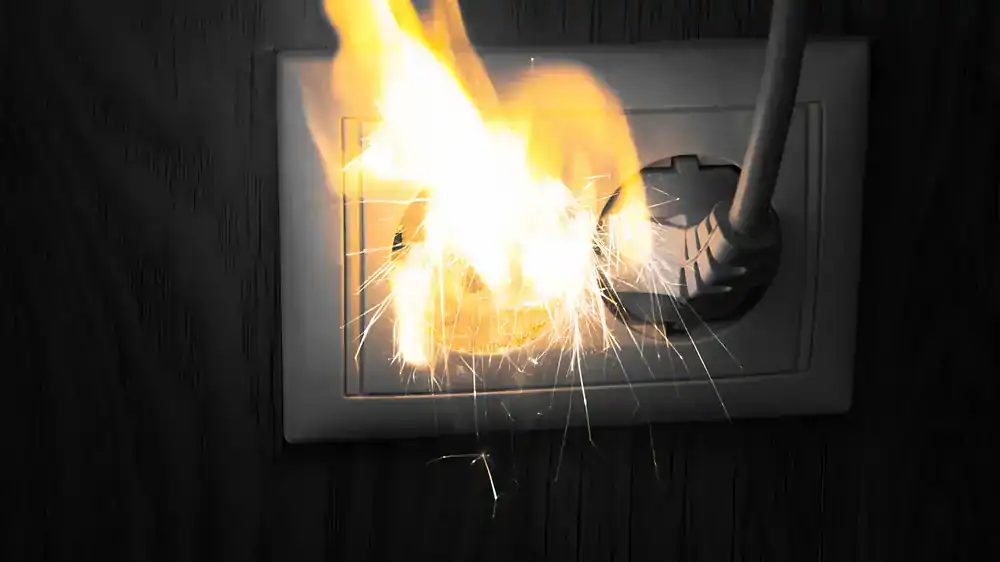
Listen to your electrical system. Buzzing or sizzling sounds from outlets, switches, or the panel indicate arcing. Arcing creates intense localized heat and represents one of the most common causes of electrical fires. Any unusual sounds from your electrical system warrant immediate professional inspection.
Watch your lights. Flickering or dimming lights when you turn on appliances suggest the circuit is overloaded or has poor connections. If lights dim throughout the house when your air conditioner kicks on, your electrical service may not have adequate capacity for your needs. This is especially common in older DFW homes where 60-amp service tries to power modern HVAC systems.
Smell is a critical warning sense for electrical problems. If you smell burning plastic, rubber, or that distinctive electrical fire smell anywhere in your home, shut off power at the main breaker and call both the fire department and an electrician. Electrical fires often smolder inside walls for extended periods before breaking through into living spaces. By the time you see flames, the fire has already spread significantly. A burning smell is your early warning—don’t ignore it.
Check outdoor outlets and lighting fixtures. Weather exposure accelerates deterioration of electrical components. Look for cracked covers, corrosion on metal parts, or any signs of water intrusion. Outdoor outlets should have weatherproof covers and GFCI protection. Landscape lighting systems need proper waterproof connections. Damaged outdoor electrical components create shock hazards and can allow water into your home’s electrical system.
Document what you find during these inspections. Take photos of anything that concerns you. This documentation helps electricians understand what problems exist and provides a baseline for tracking changes over time. If you’re buying an older home, a pre-purchase electrical inspection should be non-negotiable. The cost of the inspection is trivial compared to the cost of rewiring or repairing fire damage.
Electrical fires in older Texas homes are preventable. The hazards are real—aluminum wiring, outdated panels, insufficient capacity, and deteriorating components create genuine risks. But you’re not powerless. Professional inspections identify problems while they’re still fixable. Proper upgrades eliminate hazards instead of just managing them.
You don’t have to become an electrical expert. You need to recognize warning signs, take them seriously, and call qualified professionals when your home shows symptoms of electrical problems. The flickering lights, warm outlets, and frequent breaker trips aren’t minor annoyances you should live with—they’re your electrical system telling you it’s failing.
The investment in electrical safety pays returns you can’t put a price on. Your family stays safe. Your home doesn’t burn down. Your insurance remains valid. You can use modern appliances and electronics without constantly tripping breakers or wondering if you’re about to start a fire. For over 25 years, we’ve helped DFW and Mid-Cities families bring older homes up to current safety standards with the expertise and integrity that comes from being locally owned and committed to this community.
Article details:
Share:
Continue learning: