Power surges can destroy your electronics instantly. Discover what surge protection is and why professional installation protects your entire home.
Share:
Summary:
Surge protection is your electrical system’s insurance policy. When voltage spikes beyond normal levels, a surge protector detects the excess electricity and redirects it safely away from your home’s circuits and connected devices.
Think of it like a pressure relief valve on a water heater. When electrical pressure gets too high, the surge protector opens a pathway to release that excess energy into the ground, preventing it from reaching your valuable electronics. Without this protection, that extra voltage flows directly into your appliances, often causing immediate and permanent damage.
Modern surge protectors use metal oxide varistors that act like electrical sponges, absorbing dangerous voltage spikes before they can harm your equipment. The key difference lies in where and how this protection is installed.

Most people think lightning causes all power surges, but that’s only part of the story. In fact, about 80% of power surges originate inside your own home.
Every time your air conditioner kicks on, it draws a massive amount of power. When it shuts off, that electrical demand disappears instantly, creating a surge that flows back through your home’s wiring. The same thing happens with refrigerators, washing machines, hair dryers, and any large appliance that cycles on and off throughout the day.
External surges come from several sources. Utility company equipment malfunctions, transformers failing, and power grid switching operations can send voltage spikes directly into your home. Tree branches falling on power lines create sudden interruptions that result in surges when power is restored. And yes, lightning strikes—even ones that don’t hit your home directly—can induce powerful surges through electromagnetic fields.
In Texas, we face unique challenges. Our extreme weather patterns, from ice storms to hurricanes, regularly stress the electrical grid. The 2021 winter storm showed just how vulnerable our power infrastructure can be. Even smaller weather events cause utility fluctuations that translate into surges hitting your home’s electrical panel.
What makes this particularly dangerous is that you might not notice the damage immediately. Small surges don’t destroy electronics instantly—they degrade components over time. Your smart TV might start glitching, your computer may run slower, or your HVAC system might need repairs more frequently. These are often signs of cumulative surge damage that could have been prevented.
Understanding the difference between whole-house and point-of-use surge protection is crucial for making the right choice for your home.
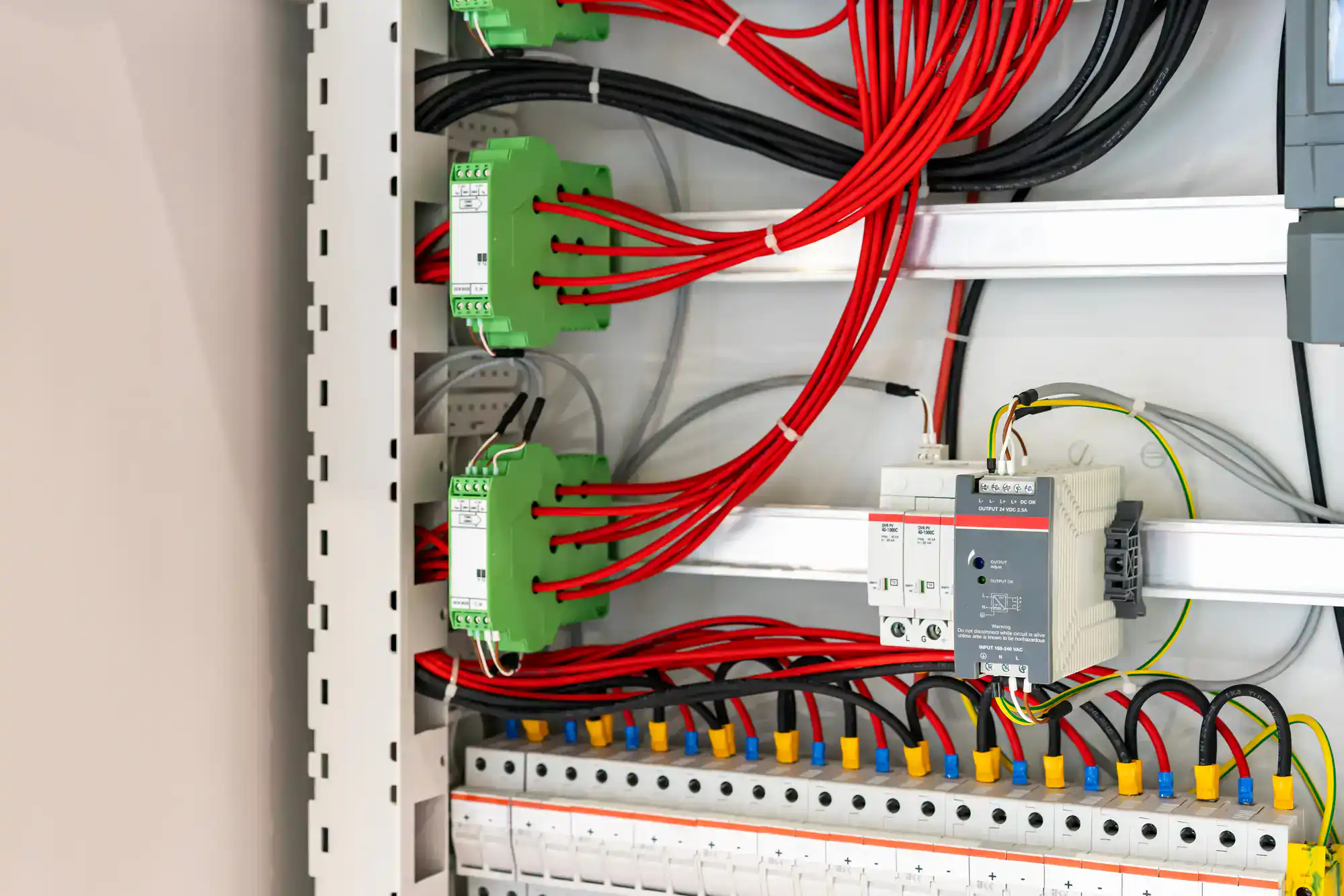
Whole-house surge protectors install directly at your electrical panel, protecting every circuit in your home simultaneously. They’re designed to handle large external surges from lightning strikes or utility problems. When a major surge hits your home, the whole-house protector absorbs the bulk of that energy before it can reach any of your outlets or hardwired appliances like your HVAC system.
Point-of-use protectors are those power strips with surge protection that you plug into individual outlets. These handle smaller, internal surges that might slip past a whole-house unit. They’re your second line of defense for sensitive electronics like computers, gaming systems, and entertainment centers.
Here’s what many homeowners don’t realize: you need both for complete protection. A whole-house protector stops the big surges but might allow smaller ones through. Point-of-use protectors catch those smaller surges but can’t handle the massive voltage from a lightning strike or major utility problem.
The most effective approach uses layered protection. Install a whole-house surge protector at your main panel to handle external surges and major internal ones. Then use quality point-of-use protectors for your most sensitive and expensive electronics. This combination provides comprehensive coverage that adapts to different types of electrical threats.
It’s also worth noting that not all power strips include surge protection. Basic power strips just give you more outlets—they offer zero protection from voltage spikes. Always look for units specifically labeled as surge protectors with joule ratings that indicate how much energy they can absorb.
Today’s homes are more vulnerable to surge damage than ever before. We’re running more electronics, smart home devices, and energy-intensive appliances than previous generations could have imagined.
Your home likely contains tens of thousands of dollars worth of surge-sensitive equipment. Beyond obvious electronics like computers and TVs, consider your smart thermostat, security system, garage door opener, and modern appliances with digital controls. Even LED light bulbs contain sensitive circuitry that surges can damage.
The financial math is compelling. A quality whole-house surge protector costs $300 to $800 installed, while replacing a single major appliance like an HVAC system can cost $5,000 or more. When you factor in the cumulative value of all your electronics and appliances, surge protection becomes one of the most cost-effective investments you can make in your home.

The true cost of surge damage goes far beyond replacing damaged equipment. When a major surge hits, you’re not just losing individual devices—you’re facing a cascade of problems that can disrupt your life for weeks.
Consider what happens when a surge takes out your home’s electronics. Your computer crashes, potentially losing important files and photos. Your smart TV stops working right before the big game. Your HVAC system’s control board fails during the hottest week of summer. Your security system goes offline, leaving your home vulnerable. Each of these failures requires separate service calls, diagnostic time, and replacement costs.
Insurance coverage for surge damage is often limited or non-existent. Many homeowner’s policies exclude surge damage entirely, while others have high deductibles that make claims impractical for smaller losses. Even when coverage exists, you’ll face the hassle of filing claims, getting estimates, and waiting for replacements while living without essential systems.
The indirect costs add up quickly too. Taking time off work to meet repair technicians, temporary solutions like hotel stays when your HVAC fails, and the productivity lost when home office equipment stops working. These hidden costs often exceed the direct replacement expenses.
Modern appliances make this problem worse, not better. Today’s refrigerators, washing machines, and HVAC systems rely heavily on computerized controls that are extremely sensitive to voltage fluctuations. A surge that might have barely affected a 1990s appliance can completely destroy a modern unit’s circuit board.
There’s also the cumulative effect to consider. Small surges that don’t cause immediate failure still cause damage. They stress components, reduce efficiency, and shorten equipment lifespan. That expensive smart refrigerator might fail three years early due to repeated small surges, and you’ll never know surge damage was the real culprit.
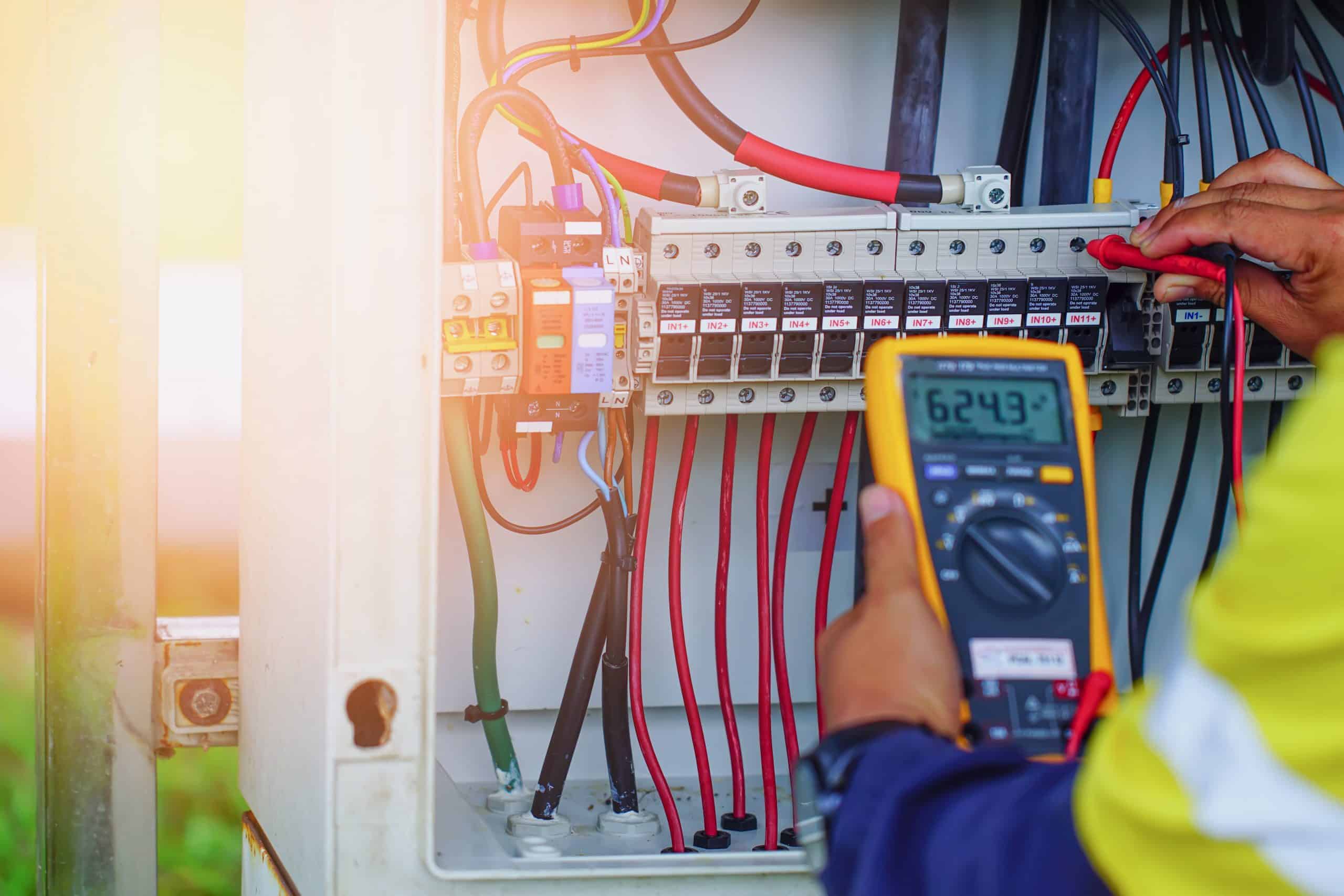
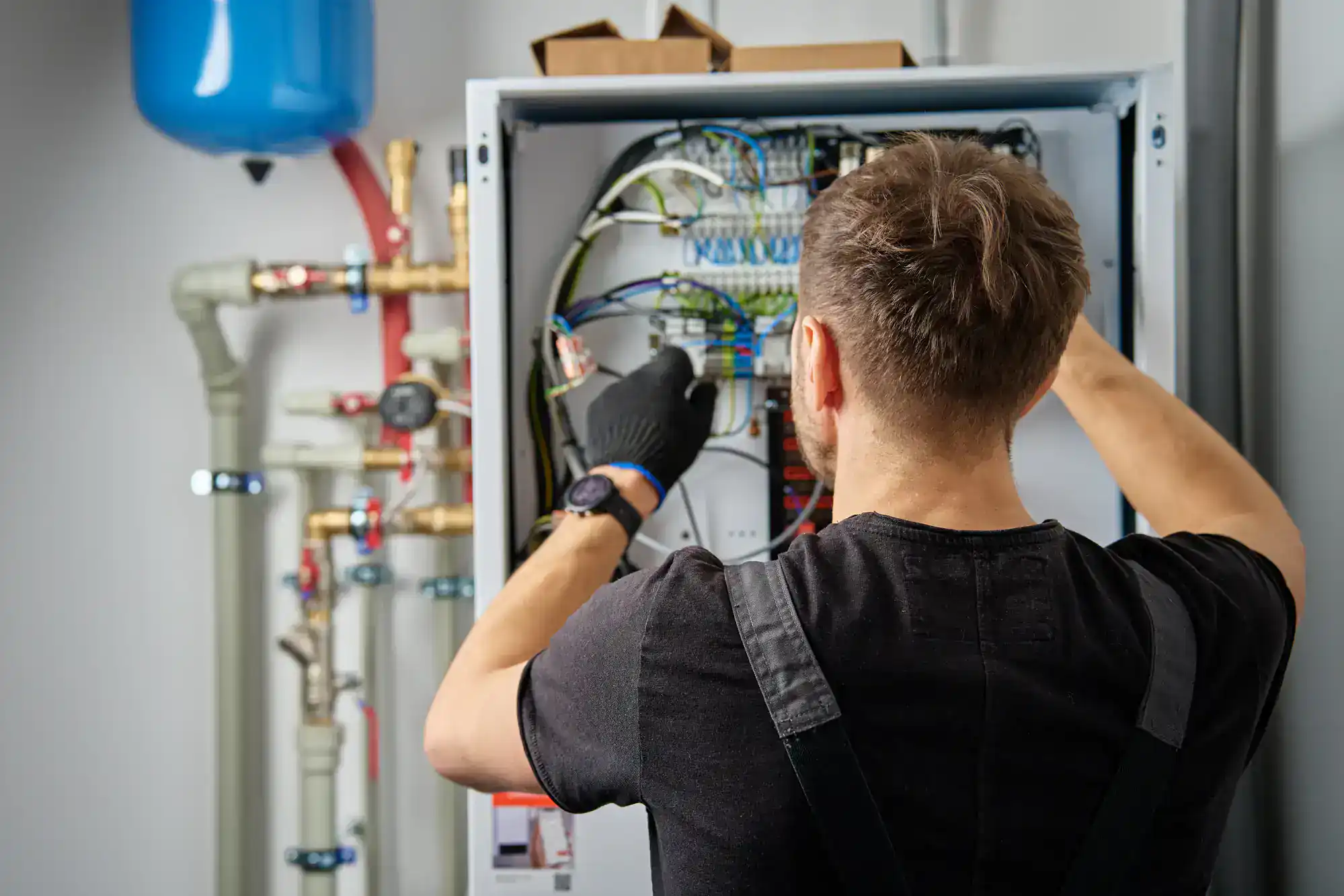
Installing whole-house surge protection isn’t a DIY project, and attempting it yourself can be dangerous and counterproductive. This work requires direct connection to your home’s main electrical panel , which carries enough voltage to cause serious injury or death.
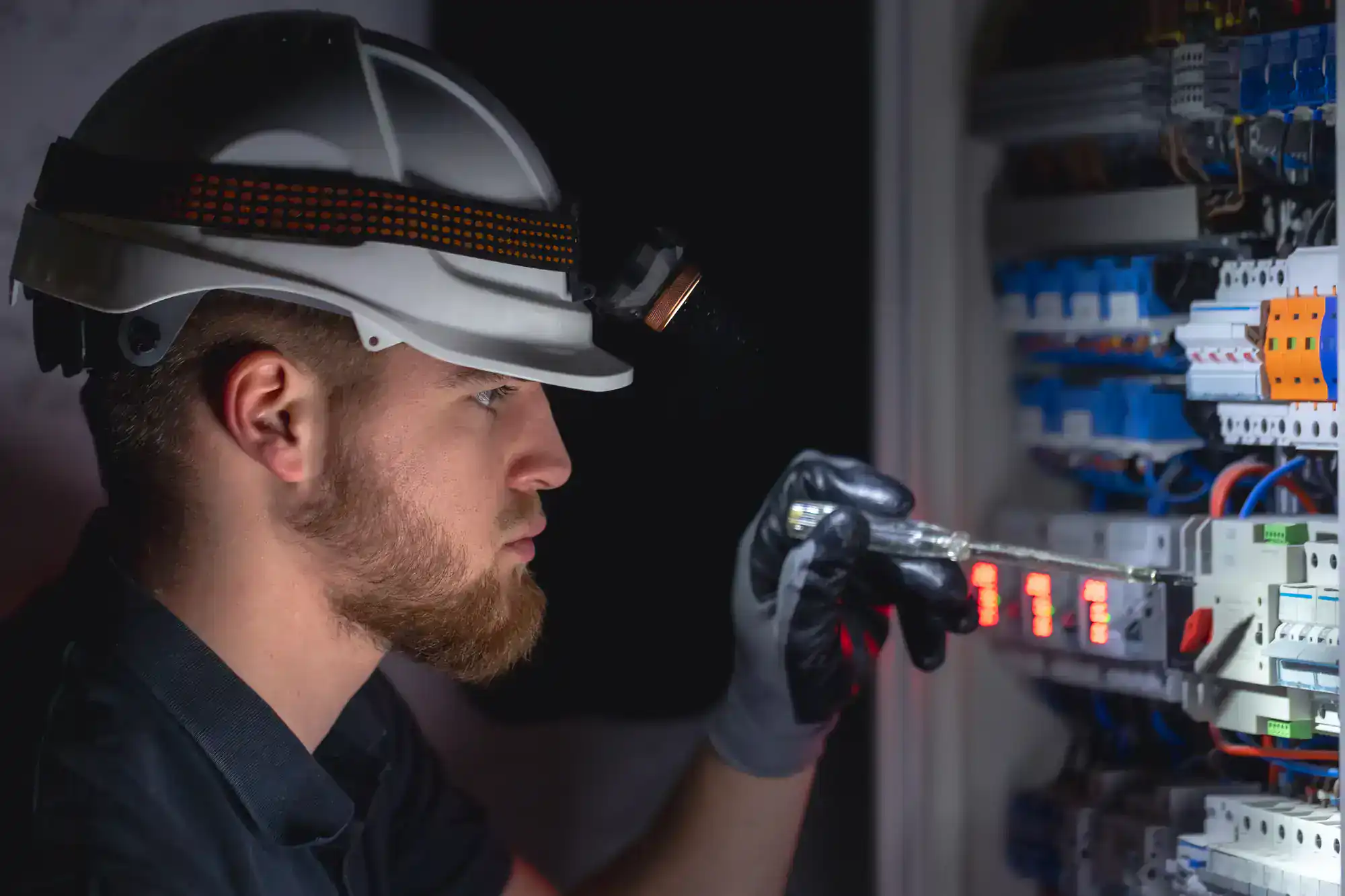
Professional electricians bring more than safety to the installation. We understand how to properly size surge protectors for your specific electrical panel and home’s needs. We know local building codes and permit requirements. Most importantly, we ensure the installation integrates correctly with your home’s grounding system—surge protectors can’t work effectively without proper grounding.
The installation process itself is more complex than it appears. We must shut off power to your entire home, remove the panel cover, and make connections directly to the main breaker. We need to verify your panel has available space and that your home’s grounding meets current standards. If upgrades are needed, we can identify and address those issues during the same visit.
Professional installation also protects your warranties. Most surge protector manufacturers require professional installation to honor their equipment warranties and any connected equipment guarantees. If you install the unit yourself and it fails to protect your electronics, you’ll have no recourse with the manufacturer.
Licensed electricians also provide ongoing value. We can inspect your surge protector during routine electrical maintenance, test its functionality, and recommend replacement when it reaches the end of its useful life. Most whole-house surge protectors need replacement every 5-10 years, depending on how many surges they’ve absorbed.
The cost difference between professional and DIY installation is minimal compared to the risks. Professional installation typically adds $150-300 to the total cost, while the peace of mind and proper protection are invaluable. When you’re protecting thousands of dollars in electronics and appliances, professional installation is a smart investment.
Power surges are an inevitable part of modern life, but surge damage doesn’t have to be. With the right protection properly installed, you can safeguard your home’s electronics, appliances, and electrical systems from both external and internal voltage spikes.
The investment in whole-house surge protection pays for itself the first time it prevents major damage. More importantly, it provides peace of mind knowing your family’s safety and your valuable equipment are protected around the clock.
Don’t wait for the next storm or power grid problem to discover your home’s vulnerability. Contact Carroll Service Co today to discuss surge protection options for your Tarrant County, Dallas County, or Denton County home. Our licensed electricians will assess your specific needs and install the right protection to keep your electrical systems safe for years to come.
Article details:
Share:
Continue learning: