Sizing your generator correctly prevents costly mistakes and ensures reliable backup power during Fort Worth's unpredictable weather events.
Share:
Summary:
Generator sizing comes down to simple math: too small, and it won’t power everything you need; too large, and you’ll waste money on the unit and fuel. Your Fort Worth home’s generator needs depend on which systems you consider essential during an outage.
Most homeowners fall into two categories: those wanting basic essentials covered, and those preferring whole-home comfort. Generator size depends on the total wattage you need to power essential systems or your entire home, and we will perform a load calculation to help you choose the right model.
The key is understanding your priorities before you start calculating power requirements.
Essential coverage keeps your Fort Worth home livable during outages. This includes your refrigerator to preserve food, freezer to prevent spoilage, heating and cooling systems for comfortable temperatures, and lighting for safety and navigation. Medical equipment takes priority if anyone in your Fort Worth home relies on life-sustaining devices, and well pumps are essential if you depend on well water.
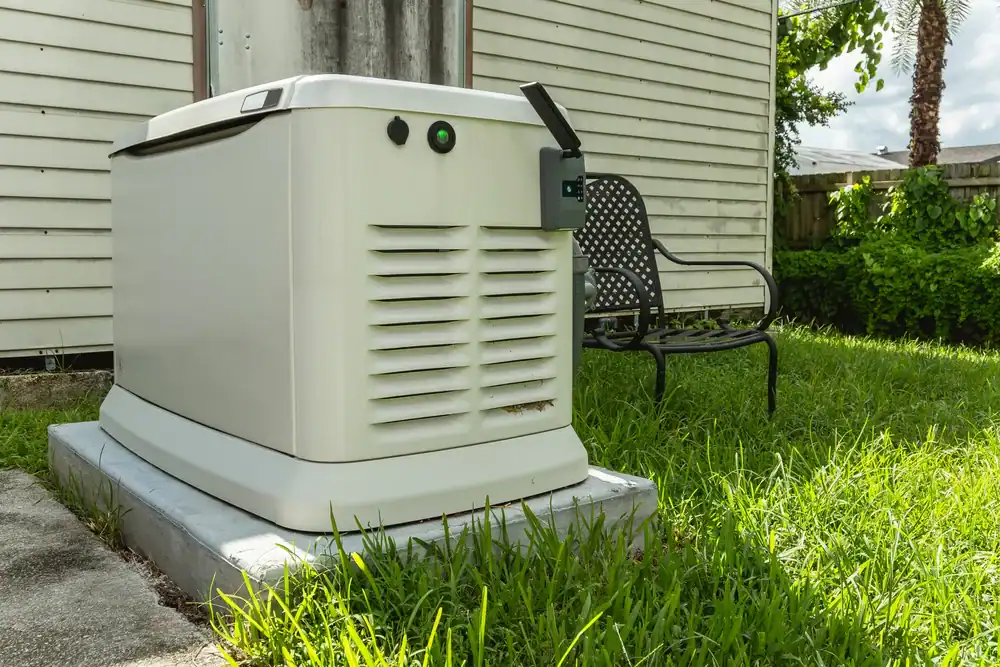
A 15-20kW generator typically handles essential circuits for most Fort Worth homes. This covers your HVAC system, refrigerator, some lighting, and a few outlets. You’ll need to prioritize which appliances run simultaneously, but you’ll maintain comfort and safety.
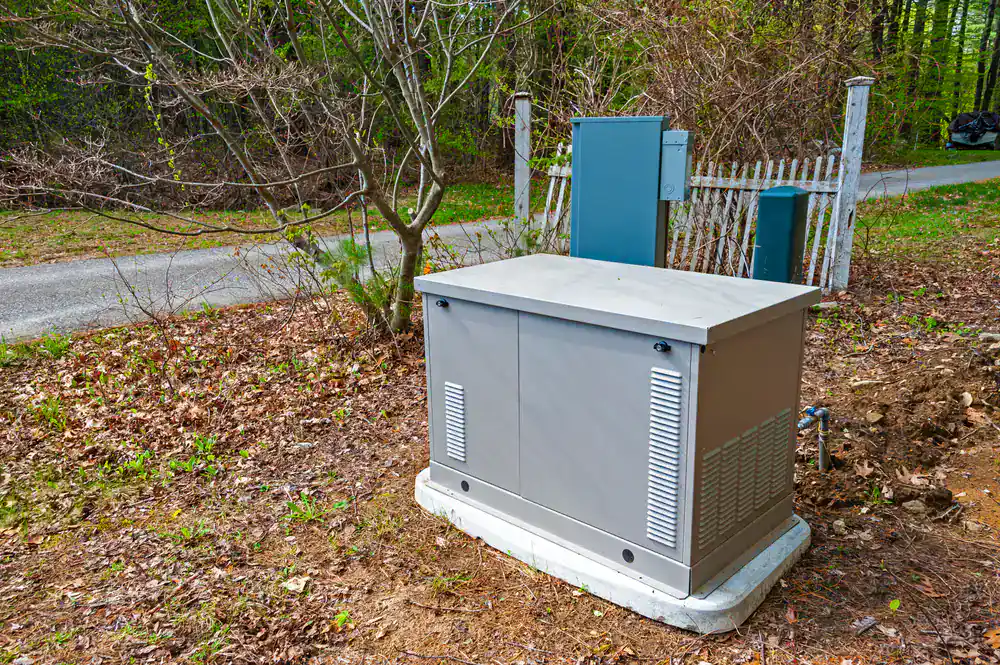
Whole-home coverage powers everything automatically. The most popular generators in the United States are air-cooled 26kW backup generators which can power most homes between 2,000 and 4,000 square feet. This approach costs more upfront but eliminates the need to choose between appliances during an outage.
While some homeowners opt for whole-home generator systems, most only require coverage for essential functions, especially during short-term outages. Whole-home coverage offers seamless comfort, powering everything from laundry machines to hot water heaters, but comes with a higher price tag.
Your choice depends on your budget, home size, and comfort preferences during power outages.
When determining the right size generator, you must consider the essential items in your home that require electricity during a power outage. First, create a list of everything that would need to be powered by the generator in case of an emergency, then add together each item’s running watts.
It’s important to consider not only running wattage, but starting wattage as well—since most appliances will require a few seconds’ worth of extra wattage to get started. Your air conditioning system, for example, might run on 3,500 watts but need 10,000 watts to start up.
To roughly account for starting wattage, add the single-highest starting watts figure to the total, then multiply that figure by at least 1.25. The resulting number is the minimum generator capacity you should consider.
This calculation method gives you a baseline, but Fort Worth’s extreme weather patterns add complexity. The 2021 winter storm brought record low temperatures of -2°F at Dallas/Fort Worth International Airport, and many Texas homes have heat pumps backed by electric resistance heaters for extreme cold, resulting in extremely high electricity demand.
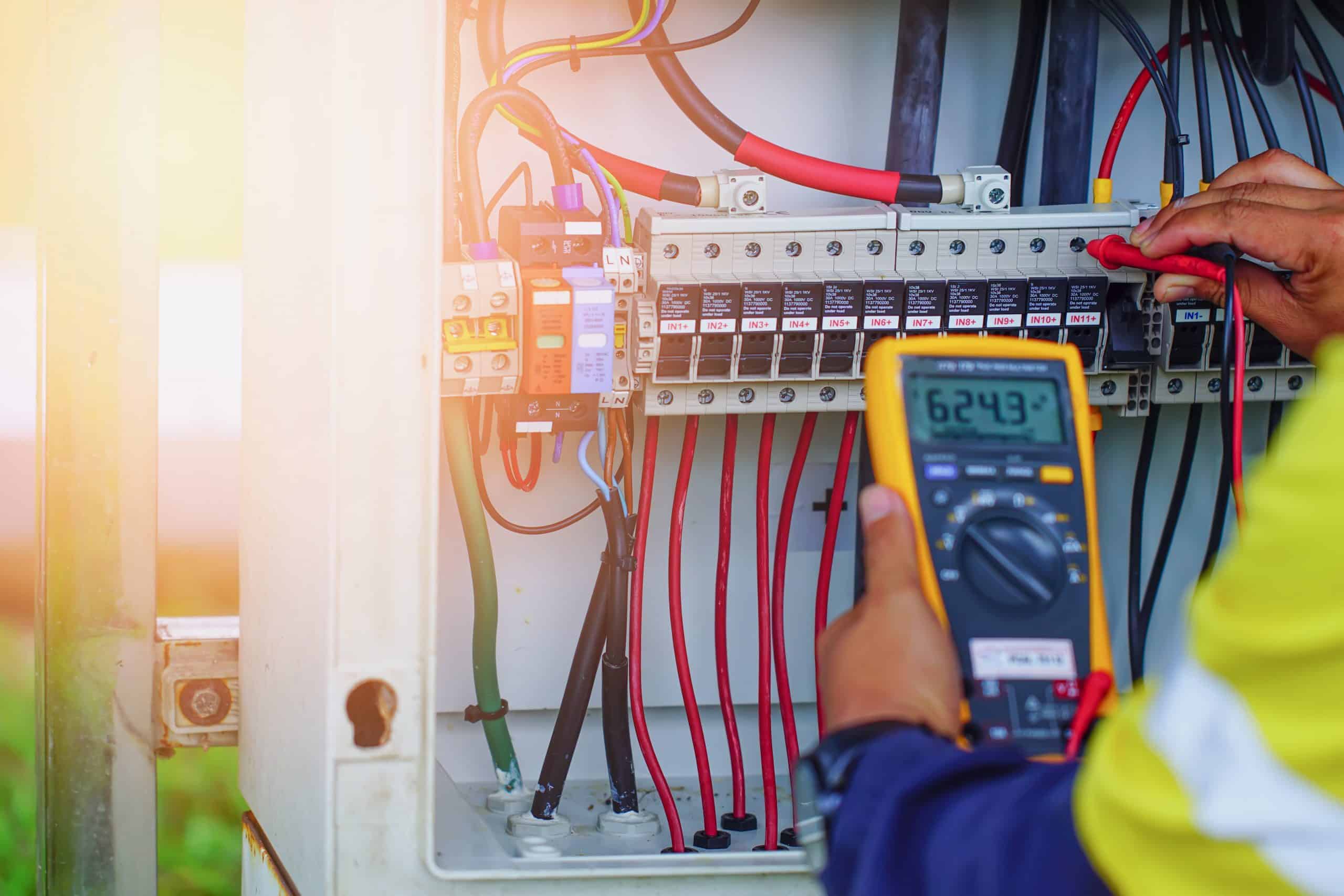
Professional load analysis accounts for factors like motor starting sequences, simultaneous usage patterns, and seasonal demands that basic calculations miss. Generator sizing should consider both current needs and potential future expansion, accounting for load factors, harmonics, power quality requirements, and motor starting demands. For complex facilities, temporary load monitoring may be installed to measure actual consumption patterns.
The size of generator you’ll need depends on what you’re looking to power when electricity goes out. Size refers not to the physical dimensions, but electrical capacity. If you want to keep your refrigerator, air conditioning, and one TV running simultaneously, determine the electrical capacity by adding up the total watts of each load.
Generators are measured in kilowatts (kW), indicating how much electricity the system can deliver at once. To size a generator for your whole house, you need to know your total electrical load, or how much power your home uses at peak times.

A home refrigerator’s power consumption typically ranges between 300 to 800 watts of electricity. Your central air conditioning system represents your largest load, typically requiring 3,000-5,000 watts running and up to 15,000 watts starting.
Fort Worth homes commonly need these power allocations: HVAC systems consume 3,000-6,000 watts depending on size and efficiency. The average homeowner loses $250 to $500 in food during extended outages, making refrigerator and freezer power (800-1,200 watts combined) essential priorities.
Lighting requirements vary by home size, but essential circuits typically need 500-1,000 watts. Winter outages can cause burst or frozen pipes costing an average of $10,000 in repairs, making heating system power critical during cold snaps.
Flooded basements from non-operating sump pumps cost homeowners an average of $21,000 in damage, with mold remediation potentially costing $500 to $30,000. Sump pumps typically require 600-1,000 watts but are essential for basement protection.
Water heaters (electric models use 4,000-5,500 watts), garage door openers (500-750 watts), and home security systems (50-300 watts) round out common essential loads. For households relying on electrically powered medical equipment like oxygen concentrators or CPAP machines, a generator isn’t optional—it’s critical.
Trying to size a generator on your own can lead to costly errors. Over-sizing costs more upfront with less efficient fuel use and may exceed household electrical capacity. Under-sizing can damage appliances, trip breakers, and fail during critical times. Always consult a licensed electrician for proper load calculations and system compatibility.
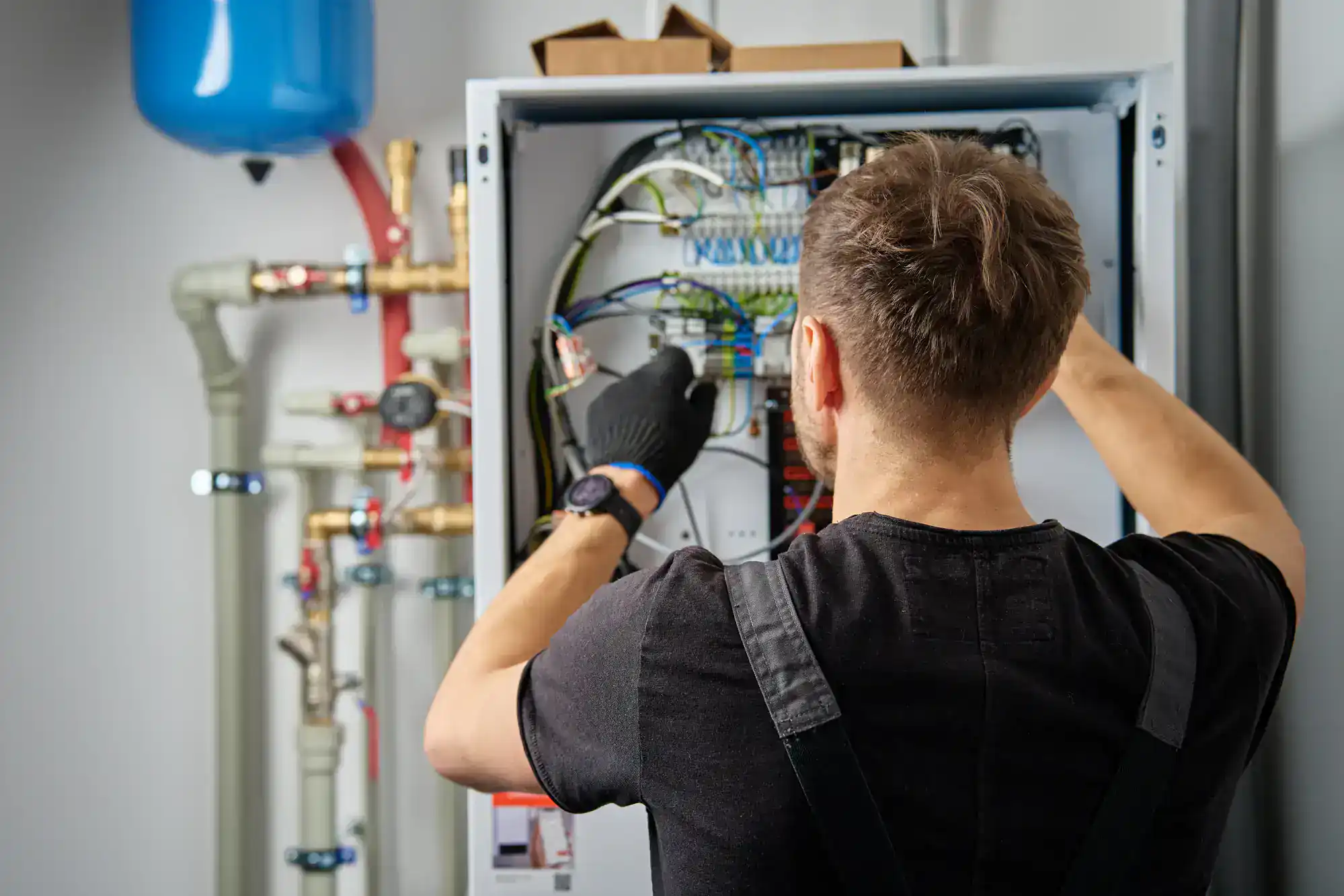
Professional analysis considers factors that DIY calculations miss. Licensed electricians inspect your home’s electrical system to determine total power required for all appliances, power necessary for only essential appliances, and power required for only the HVAC system. Those power readings are compared to available generator sizes, with recommendations for at least 10 percent higher capacity than required.
Fort Worth’s electrical codes and permitting requirements add another layer of complexity. Twenty-five years in DFW and Mid-Cities means we know exactly what permits and codes apply to your specific area. Local electricians understand these requirements and ensure proper installation.
Consulting with a professional is essential for accurately calculating power requirements. An expert will evaluate your home’s electrical setup and recommend a generator that matches your needs. This ensures you invest in a system that provides reliable, efficient power without over- or under-sizing.
Professional load analysis also considers your home’s future needs, seasonal variations, and the specific challenges of Texas weather patterns. Consider potential future needs or changes to your power requirements. If you plan to add more appliances or if your family grows, you might need more power. It’s often wise to choose a generator with slightly higher capacity than your current calculation suggests.
Choosing the right size generator is crucial for both performance and safety. An undersized generator may shut down under heavy load or cause damage to sensitive electronics, leaving you in the dark when you need power most. An oversized generator costs more to purchase, install, and run, and wears out faster if not used at optimal capacity. The goal is to get a generator that efficiently and reliably meets your home’s power needs without waste.
The 2021 Texas power crisis triggered the worst energy infrastructure failure in state history, leaving more than 4.5 million homes and businesses without power, some for several days. Fort Worth homeowners who experienced this crisis understand that proper backup power isn’t just convenience—it’s essential protection for your family.
When you’re ready to move forward, we bring 25 years of Fort Worth electrical expertise to your generator sizing and installation project. We’ll perform the professional load analysis your home needs and ensure your system meets all local requirements for reliable, long-term performance.
Article details:
Share:
Continue learning: