Severe weather regularly threatens Dallas homes with power outages and electrical emergencies. Learn preparation steps and when professional electrical repair service is essential.
Share:
Summary:
Not every electrical issue requires an immediate call to an emergency electrician. A single light bulb burning out? That can wait. But some situations demand professional attention right now because they pose immediate risks to your safety and property.
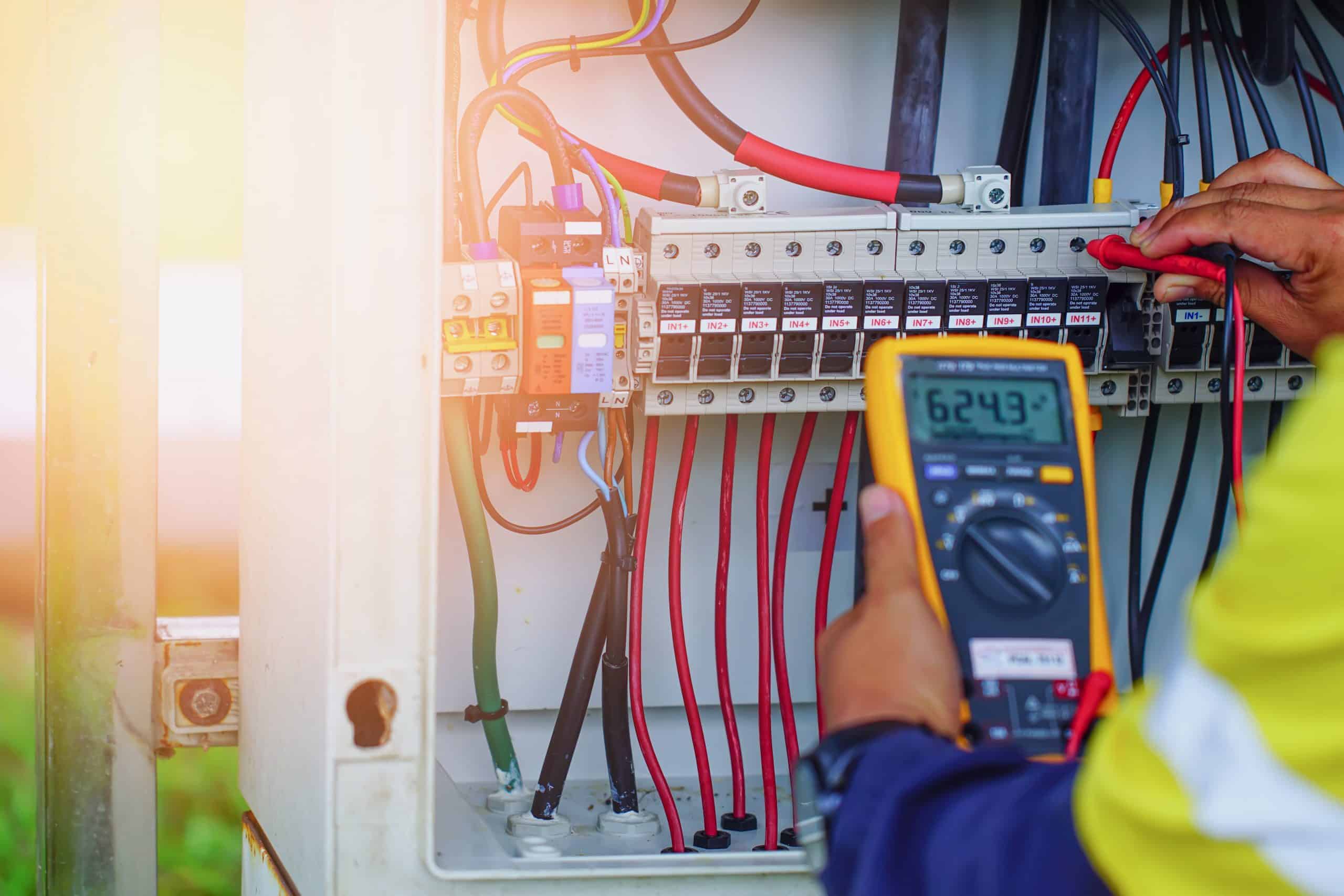
Electrical emergencies include anything that could lead to fire, electrocution, or extensive property damage. Burning smells coming from outlets or your electrical panel signal overheating wires or failing components. Sparking outlets, buzzing sounds from walls, or smoke from any electrical component means you need help immediately.
If your circuit breaker trips repeatedly, that’s your home’s way of telling you something’s wrong. Breakers are designed to protect you from overloads and short circuits. When they keep tripping, ignoring the problem won’t make it go away—it’ll make it worse.

Your home gives you clear signals when electrical problems are brewing. Learning to recognize these warning signs helps you act before minor issues become major hazards.
Burning smells near outlets, switches, or your electrical panel indicate wires are overheating. This happens when connections loosen, circuits overload, or insulation begins to melt. The smell might remind you of burning plastic or hot metal. Either way, it means components are getting too hot, and that’s how electrical fires start. Turn off power to that area if you can do so safely, and call an emergency electrician.
Hot outlets or switches are another red flag. Electrical components should never feel warm to the touch. If they do, it means too much current is flowing through the circuit or connections are failing. This excess heat can ignite surrounding materials. Check your outlets periodically by touching them briefly. If you notice warmth, stop using that outlet immediately.
Flickering lights when you turn on appliances suggest your electrical system is struggling to handle the load. One flickering bulb might just need replacing. But if lights dim throughout your home when the AC kicks on or you run the microwave, your circuits are likely overloaded. This is especially common in older Dallas homes built before modern electrical demands existed.
Sparking outlets require immediate attention. You might see a brief spark when plugging something in occasionally—that’s usually just normal arcing. But repeated sparking, visible flames, or sparks that jump from the outlet mean you have a serious short circuit or damaged wiring. Unplug everything from that outlet and call for help.
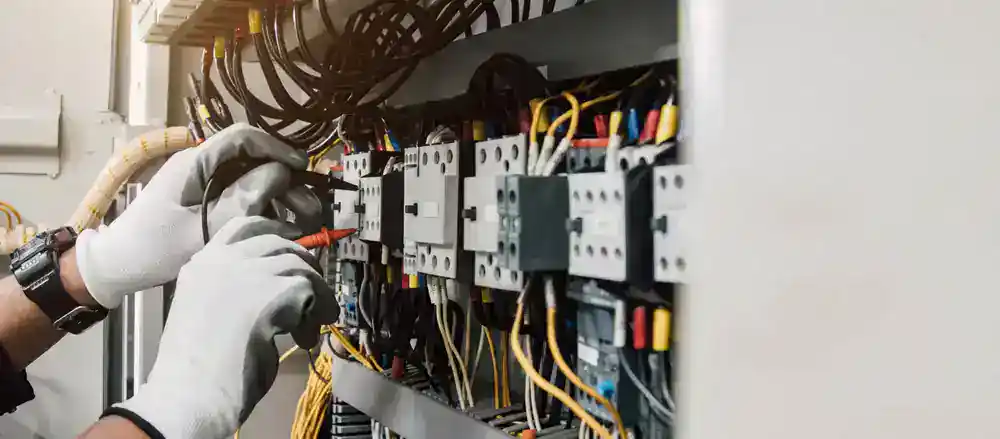
Buzzing or humming sounds from your electrical panel , outlets, or switches indicate loose connections or failing components. Electricity should be silent. When you hear it, something’s wrong. A buzzing panel might mean a breaker is failing to trip when it should, or wiring connections have worked loose. Both situations can lead to fires.
Your circuit breaker panel should feel cool and quiet. If it’s warm, makes noise, or has a burning smell, you’re dealing with a serious fire hazard. Don’t open the panel or try to investigate yourself. Call an emergency electrician and consider shutting off your main breaker if you can reach it safely.
Discolored outlets or switch plates—especially brown or black marks—show evidence of heat damage or arcing. This discoloration means the problem has been going on long enough to physically damage the components. The issue won’t resolve itself, and continuing to use damaged outlets puts your home at risk.
When your power goes out, the first question is whether it’s a widespread outage or a problem with your home’s electrical system. This distinction determines your next steps.
Check if your neighbors have power. If their lights are on, the problem is likely inside your home. Start by checking your main circuit breaker panel. Sometimes a tripped main breaker or multiple tripped circuits cause what looks like a complete outage. If you find tripped breakers, don’t immediately reset them. A breaker trips for a reason—usually to protect you from an overload or short circuit.
You can try resetting a breaker once. If it trips again immediately or within a few minutes, you have an electrical problem that needs professional diagnosis. Repeatedly resetting a breaker that keeps tripping is dangerous. You’re forcing electricity through a circuit that’s trying to tell you it can’t handle the load safely.
If your breakers look fine but you still don’t have power, the problem might be with your utility company’s service to your home, your meter, or your main service panel. These aren’t DIY fixes. Call your utility company first to rule out service issues on their end. If they confirm they’re delivering power to your home, you need an emergency electrician to diagnose why it’s not reaching your circuits.
Partial power outages—where some rooms have electricity but others don’t—usually indicate problems with specific circuits or a lost neutral connection. Lost neutrals are particularly dangerous because they can cause voltage imbalances that damage appliances and electronics. If half your home has power and half doesn’t, don’t wait. Call an emergency electrician.
After severe weather, never assume power restoration means everything’s safe. Storm damage can create hidden problems in your electrical system. Water intrusion into outlets, panels, or wiring creates serious shock and fire hazards. If your home experienced flooding, roof leaks near electrical components, or any water exposure to your electrical system, have a licensed electrician inspect everything before using those circuits.
Downed power lines are utility company emergencies, not homeowner problems. If you see a downed line on your property, stay at least 40 feet away and call 911 immediately. Assume every downed line is energized and deadly. Don’t touch anything the line is touching, and don’t try to move it yourself. Even if the line appears dead, it could be re-energized without warning when utility crews restore power.
Dallas experiences power outages from summer storms, winter weather, and grid strain. You can’t prevent outages, but you can prepare for them so they’re inconvenient rather than dangerous.
Start with the basics: flashlights, not candles. Candles cause fires, especially when you’re navigating a dark home or fall asleep with them burning. Keep battery-powered flashlights in easily accessible locations. Make sure every family member knows where they are. Check batteries twice a year and replace them before they die.
Your refrigerator will keep food cold for about four hours without power if you keep the door closed. A full freezer maintains temperature for 48 hours; a half-full freezer for about 24 hours. Stock up before predicted storms so your freezer is full—frozen items help maintain cold temperatures. If you know an outage will be extended, use coolers with ice to preserve perishables.
A well-stocked emergency kit makes outages manageable instead of miserable. You don’t need elaborate preparations—just practical supplies you can access quickly when the power goes out.
Water and non-perishable food should cover at least two weeks for your household. Power outages can affect water treatment and pumping systems, so having bottled water isn’t just about convenience. Calculate one gallon per person per day for drinking and sanitation. Stock foods that don’t require cooking or refrigeration: canned goods, protein bars, dried fruit, nuts, and shelf-stable meals.
Battery-powered or hand-crank radio keeps you connected to weather updates and emergency information when your phone battery dies and you can’t charge it. NOAA weather radios provide continuous updates during severe weather events. This matters in Dallas where storm systems can spawn tornadoes, dump ice, or bring dangerous heat.
Portable power banks keep phones and small devices charged. Get ones with enough capacity to fully charge your phone multiple times. Keep them charged year-round so they’re ready when you need them. Consider a solar charger as backup if outages extend beyond a few days.
First aid kit, prescription medications, and any medical supplies you depend on should be easily accessible. If anyone in your home uses electrically powered medical equipment, talk to your doctor about backup plans. Some medical devices have battery backup; others require generator power to function safely.
Carbon monoxide detectors with battery backup are critical safety equipment. If you use a generator, camp stove, or any fuel-burning device during an outage, carbon monoxide poisoning becomes a real risk. CO is colorless and odorless—you can’t detect it without an alarm. Install detectors on every level of your home and outside sleeping areas.
Cash in small bills gives you options if credit card systems aren’t working. ATMs require power, and many businesses can’t process electronic payments during outages. Having $100-200 in small bills means you can still buy supplies if stores are open.
Important documents—copies of insurance policies, identification, medical records—should be in a waterproof container. If an outage is part of a larger emergency requiring evacuation, you’ll want these documents accessible.
Manual can opener, matches in a waterproof container, basic tools, and duct tape round out your emergency supplies. You’d be surprised how often you need these simple items when electricity isn’t available.
Severe weather causes most electrical emergencies in Dallas. Taking preventive steps before storms arrive protects both your electrical system and your expensive electronics.
Unplug sensitive electronics before major storms hit. Power surges when electricity is restored can fry computers, TVs, gaming systems, and appliances. Even with surge protectors, unplugging is the only way to guarantee protection. This includes entertainment systems, computers, kitchen appliances with electronic controls, and garage door openers.
Surge protectors offer some defense, but not all surge protectors are created equal. The cheap power strips at discount stores provide minimal protection. Look for surge protectors with high joule ratings—at least 1000 joules for general use, higher for expensive electronics. Whole-house surge protection installed at your electrical panel provides the best defense, protecting every outlet and hardwired appliance in your home.
Turn off major appliances before storms. When power returns, the sudden demand from multiple large appliances trying to restart simultaneously can overload circuits and trip breakers. Turning them off before the outage lets you restart them gradually once power is restored, reducing strain on your electrical system.
Know where your main circuit breaker is and how to shut it off. If you see sparks, smell smoke, or suspect electrical damage during a storm, shutting off your main breaker stops electricity from flowing to the problem area. Make sure every adult in your household knows where the panel is located and how to operate it safely.
Generator safety deserves special attention. Portable generators kill people every year through carbon monoxide poisoning and improper connections. Never run a generator indoors, in your garage, or near windows and doors. Exhaust fumes contain deadly carbon monoxide that can quickly reach lethal levels in enclosed spaces. Place generators at least 20 feet from your home with exhaust directed away from buildings.
Never connect a portable generator directly to your home’s wiring without a proper transfer switch. Backfeeding electricity into your home’s circuits without a transfer switch can electrocute utility workers trying to restore power and can damage your generator or appliances. If you want whole-house backup power, have a licensed electrician install a standby generator with an automatic transfer switch.
Backup generators provide reliable power during extended outages. These permanently installed systems connect to your natural gas or propane supply and start automatically when power goes out. For Dallas homeowners who’ve experienced multi-day outages during winter storms or summer heat waves, generators offer peace of mind. Your AC keeps running in summer heat. Your heat stays on during winter freezes. Refrigerated medications stay cold. Medical equipment keeps functioning.
Inspect your property after storms before using electricity. Look for water intrusion near outlets, damage to your electrical meter or panel, or any exposed wiring. Water and electricity create deadly combinations. If you see any damage or suspect water reached electrical components, don’t turn breakers back on. Call an emergency electrician to inspect everything before restoring power.
Knowing when to call for professional help versus handling issues yourself keeps your family safe and prevents small problems from becoming expensive disasters. If you smell burning, see smoke or sparks, hear buzzing from your electrical panel, or experience repeated breaker trips, call an emergency electrician immediately. These aren’t situations where waiting until morning makes sense.
Water exposure to electrical systems requires immediate professional attention. Hot electrical components, discolored outlets, or any situation where you’re unsure about safety all warrant professional evaluation. Your instincts are usually right—if something feels wrong with your electrical system, it probably is.
Preparation makes the difference between weathering an outage safely and facing dangerous situations. Stock emergency supplies, know your electrical panel, understand warning signs, and have a plan. Most importantly, know when electrical repair service from licensed professionals is necessary. We provide emergency electrical service throughout the Dallas-Fort Worth area, with fully licensed and insured electricians available when urgent situations strike your home.
Article details:
Share:
Continue learning: