Flickering lights and frequent breaker trips signal your Dallas, TX home may need an electrical panel upgrade for safety and modern power demands.
Share:
Summary:
The most obvious warning signs happen during your busiest electrical usage times. Your lights dim when the air conditioning kicks on during hot Dallas afternoons. You find yourself strategically timing appliance use to avoid tripping breakers.
These aren’t just minor inconveniences. They’re your electrical system’s way of saying it can’t safely handle your home’s power demands. Modern families use significantly more electricity than homes built even 20 years ago were designed to support.

When your breakers trip so often that you could navigate to your electrical panel in the dark, your system is overloaded. Circuit breakers are designed as safety devices that shut off power when too much electricity flows through a circuit. Occasional trips during storms or when you accidentally overload a circuit are normal. Constant trips during regular daily activities are not.
Flickering lights tell a similar story. If your lights dim every time someone turns on a hair dryer, starts the dishwasher, or when your HVAC system cycles on, your panel can’t provide consistent power throughout your home. This becomes especially noticeable during peak usage times, like those sweltering Texas summer afternoons when everyone’s air conditioning is running at maximum capacity.
The problem compounds when you start managing your electrical usage around these limitations. Turning off one appliance to use another nearby, avoiding certain combinations of devices, or timing your laundry around when the AC isn’t running all indicate your electrical panel has reached its capacity limits. These workarounds might seem manageable short-term, but they point to a safety issue that needs professional attention.
Your electrical panel should handle your family’s normal power usage without requiring you to become an amateur load manager. When it can’t, upgrading becomes necessary for both safety and convenience. Most homes in the DFW area have either 100 or 200-amp panels, and older 100-amp systems simply can’t keep up with modern electrical demands.
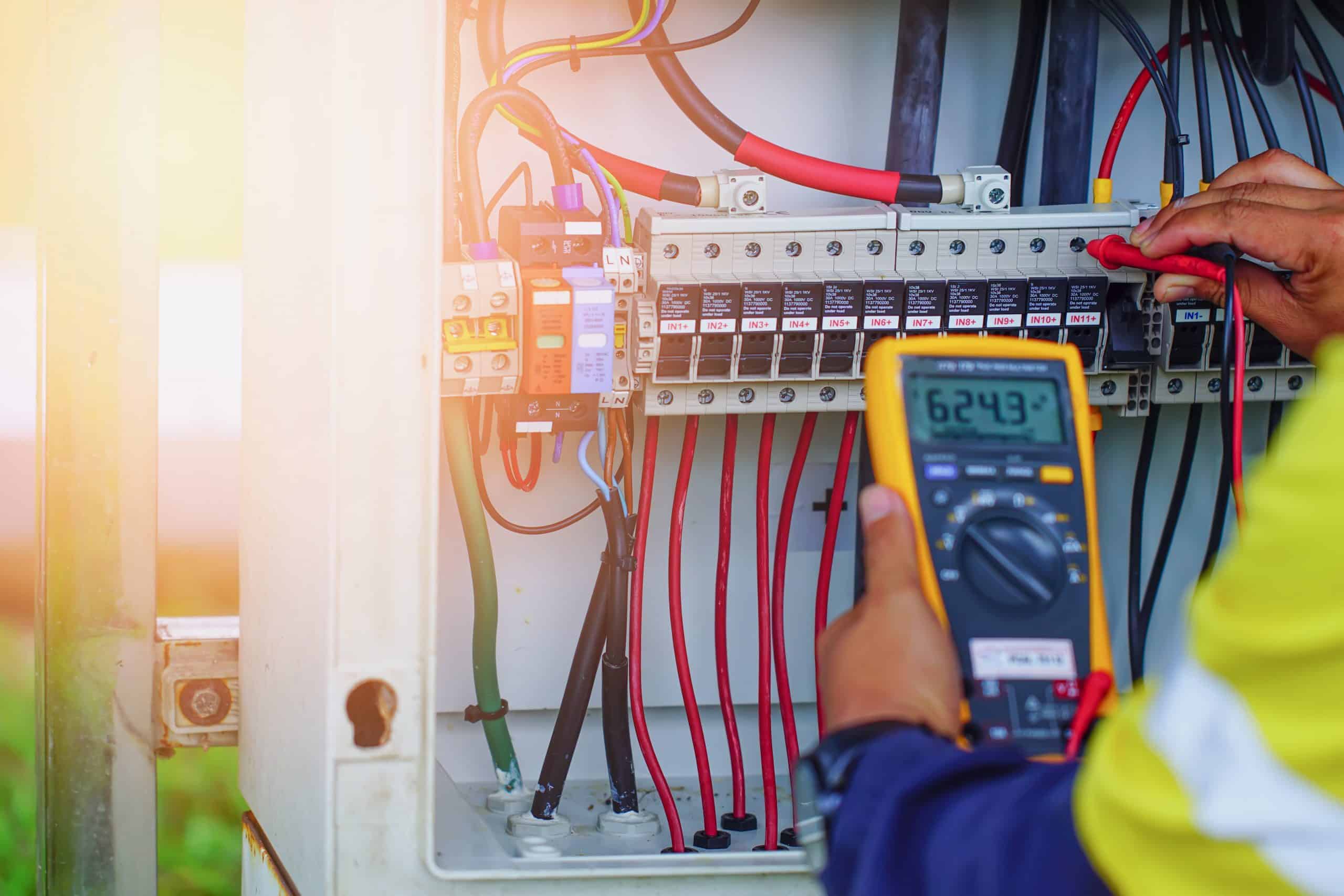
Any burning smell or unusual warmth coming from your electrical panel signals an immediate safety concern. Electrical panels should run cool to the touch under normal operating conditions. When components overheat, they can damage wiring, create fire hazards, and potentially cause serious property damage or injury.
A warm panel often indicates loose connections, overloaded circuits, or deteriorating components that can’t handle the electrical load you’re placing on them. These conditions create resistance in your electrical system, which generates heat. As heat builds up, it can damage wire insulation, create arcing, and eventually lead to electrical fires.
Burning smells near your electrical panel require immediate attention from a panel upgrade electrician near you. These odors typically indicate overheating components, damaged insulation, or electrical arcing inside your panel. Unlike other electrical issues that develop gradually, burning smells represent an urgent safety hazard that shouldn’t wait for convenient scheduling.
Some homeowners notice a faint electrical or metallic smell that comes and goes. Even intermittent odors deserve professional evaluation. Electrical problems don’t improve on their own, and components that overheat periodically will eventually fail completely. Early intervention prevents more serious problems and protects your family’s safety.
Scorch marks, buzzing sounds, or any visible signs of heat damage on your electrical panel also indicate immediate safety concerns. These symptoms suggest internal electrical faults that require professional diagnosis and repair. Don’t attempt to investigate these issues yourself – electrical panels contain high-voltage components that can cause serious injury or death if handled improperly.
Most Dallas, TX homes built before 2000 have electrical panels designed for a different era of power consumption. These older systems typically provided 100-amp service, which seemed adequate when homes had fewer large appliances and no smart devices, electric vehicle chargers, or high-efficiency HVAC systems.
Today’s families use significantly more electricity for daily living. Your electrical panel needs to safely distribute power to central air conditioning, multiple large appliances, home offices with computer equipment, entertainment systems, and increasingly, electric vehicle charging stations .
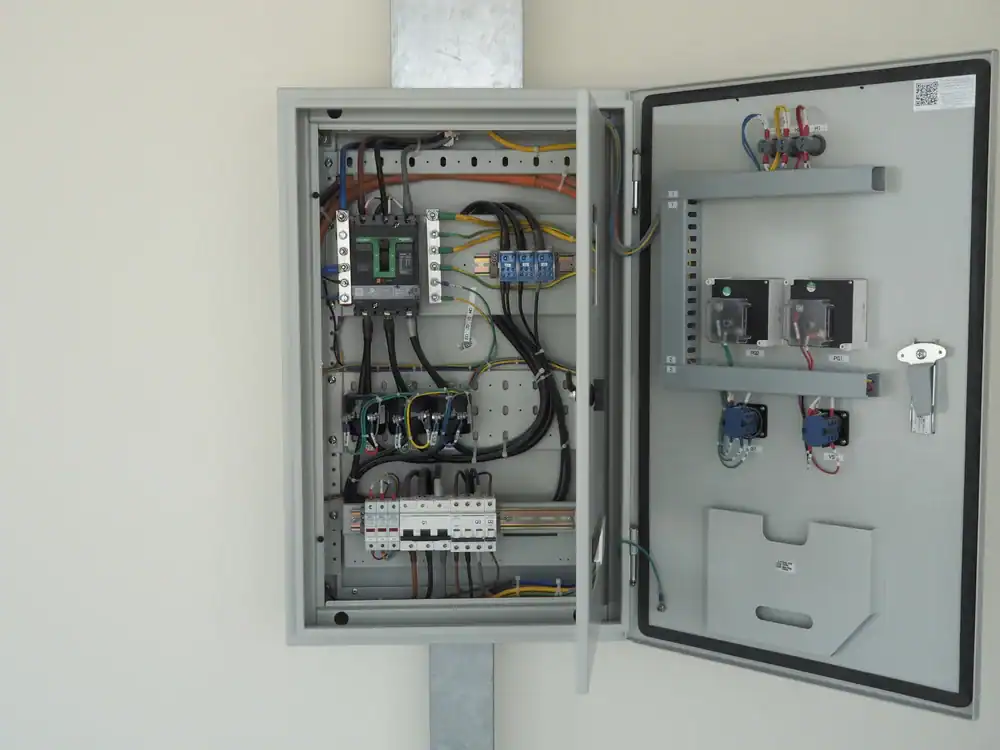
If your Dallas area home still relies on a fuse box instead of circuit breakers, you’re operating with technology that’s 50 to 60 years old. Fuse boxes weren’t designed to handle modern electrical loads, and they present several practical and safety challenges that make upgrading essential for Texas homeowners.
Fuses must be completely replaced each time they “blow,” unlike circuit breakers that simply reset with the flip of a switch. This means keeping spare fuses on hand and dealing with power outages until you can physically replace the blown fuse. During evening hours or when you’re away from home, a blown fuse can leave portions of your house without power for extended periods.
More concerning is the tendency for homeowners to install higher-amperage fuses than the wiring can safely handle. When the correct fuse isn’t available, it’s tempting to use whatever fuse fits. This creates serious fire hazards because the fuse no longer provides proper overcurrent protection for your home’s wiring. The wiring can overheat without the fuse blowing, potentially causing electrical fires inside your walls.
Fuse boxes also lack the safety features built into modern electrical panels. Today’s panels include arc fault circuit interrupters (AFCI) and ground fault circuit interrupters (GFCI) that provide additional protection against electrical fires and shock hazards. These safety features can prevent accidents that older fuse boxes simply can’t detect.
Insurance companies increasingly refuse coverage for homes with fuse boxes due to the fire risks they present. Even if your current insurer covers your home, you may face challenges when switching providers or renewing your policy. Upgrading to a modern electrical panel eliminates these insurance concerns while dramatically improving your home’s safety. The average lifespan of electrical panels in Texas is about 60 years, but safety standards and electrical demands have changed significantly over that time.
Major home improvements often reveal the limitations of older electrical panels. Installing central air conditioning, adding a hot tub, upgrading to high-efficiency electric appliances, or adding electric vehicle charging capabilities all require dedicated circuits and substantial electrical capacity that older panels can’t provide.
Electric vehicle charging stations typically require 240-volt, 40-50 amp dedicated circuits. If your home has a 100-amp electrical panel that’s already near capacity, adding EV charging isn’t possible without upgrading your entire electrical service. Even if you have available space in your panel, the additional load might exceed your system’s safe capacity during peak usage times.
High-efficiency appliances, while using less electricity than older models, often require dedicated circuits for optimal performance and safety. Modern refrigerators, washing machines, dryers, and dishwashers all benefit from dedicated electrical circuits that prevent interference from other appliances and ensure consistent power delivery.
Kitchen renovations frequently expose electrical panel limitations. Today’s kitchens require multiple dedicated circuits for appliances, adequate lighting, and sufficient outlets for small appliances. Electrical codes require specific outlet spacing and GFCI protection that older panels may not support without significant upgrades.
Planning any major electrical additions or renovations starts with evaluating your current panel’s capacity. A licensed electrician can calculate your home’s electrical load and determine whether your existing panel can safely handle additional circuits. In many Fort Worth, TX and Dallas area homes, the cost of upgrading your electrical panel becomes part of your renovation budget, ensuring your new installations operate safely and efficiently.
Smart home technology also increases electrical demands in ways that older panels weren’t designed to handle. While individual smart devices don’t use much power, the cumulative load of multiple smart thermostats, security systems, automated lighting, and connected appliances can strain older electrical systems. Most panel upgrade electricians near you can evaluate whether your current system can support these modern conveniences.
Recognizing the warning signs early gives you time to plan and budget for electrical panel upgrades before emergency situations develop. Frequent breaker trips, flickering lights, burning smells, or plans for major electrical additions all indicate it’s time for professional evaluation.
The investment in electrical panel upgrades pays dividends through improved safety, increased home value, and the peace of mind that comes from knowing your electrical system can handle your family’s needs. Modern panels provide the capacity and safety features necessary for today’s electrical demands while preparing your home for future needs.
When you’re ready to address your electrical panel concerns, we bring over 25 years of experience serving Dallas-Fort Worth area homeowners. Our licensed electricians understand local codes, handle all permit requirements, and provide transparent pricing so you know exactly what to expect throughout the process.
Article details:
Share:
Continue learning: