Real Generac installation costs for DFW and Mid-Cities homeowners, including sizing, electrical work, and permitting - no surprises, just straight answers.
Share:
Summary:
Your total generator installation cost depends on three main factors: the generator size you need, your home’s electrical setup, and installation complexity. Most DFW and Mid-Cities homeowners spend between $8,000 and $15,000 for a complete Generac installation, but that range shifts based on your specific situation.
Generator size matters most. A 16kW unit that powers essential circuits costs less than a 24kW system that runs your whole house. Your electrical panel’s age and capacity also play a big role – older panels often need upgrades to handle the generator safely.
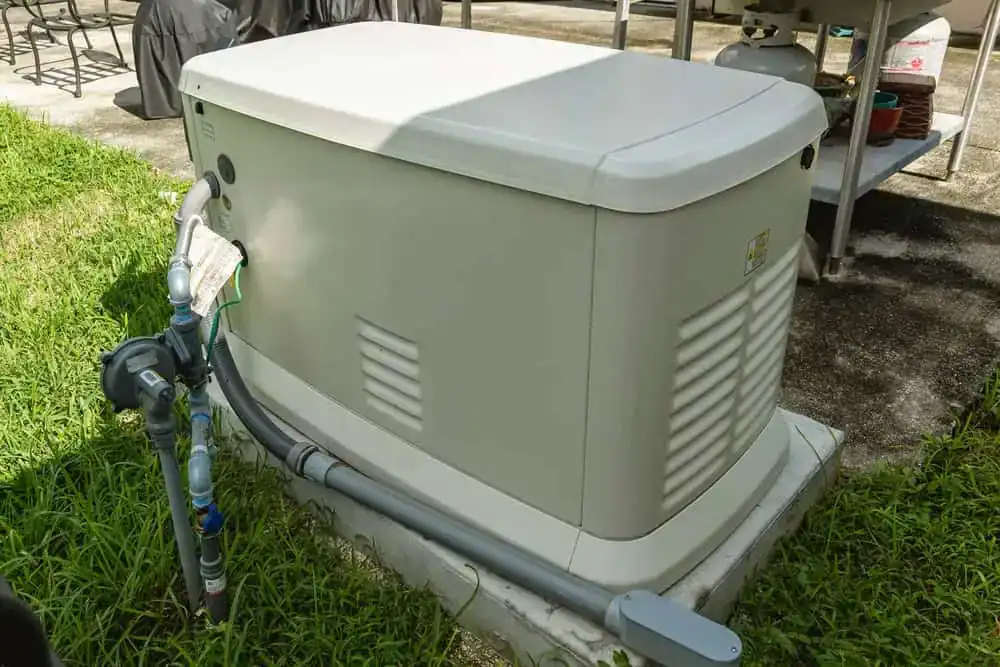
Generac generators range from 9kW units for basic needs up to 26kW for whole-house coverage. Most DFW and Mid-Cities homes need between 16kW and 22kW for comfortable backup power. Here’s the reality of equipment costs in our market.
A 16kW Generac generator typically runs $4,500 to $5,500 for the unit itself. Step up to 20kW and you’re looking at $5,800 to $6,800. The 24kW units that handle larger homes with multiple AC units cost $7,200 to $8,500. These are wholesale costs before installation.
But equipment is just the starting point. Your home’s electrical load determines what you actually need. A 2,500 square foot home with two AC units, electric water heater, and standard appliances usually needs 20kW minimum for whole-house coverage. Go smaller and you’ll be managing loads during outages.
The sizing conversation matters because oversizing costs money upfront, but undersizing costs comfort and convenience later. We can perform a load calculation to determine your actual needs, but many homeowners end up wishing they’d gone slightly larger after living with their system.
Gas line requirements also affect equipment decisions. Natural gas installations are usually more cost-effective long-term, but if you don’t have gas service to your home, propane becomes the option. Propane installations need tank rental or purchase, which adds ongoing costs but gives you fuel independence.
Generac generators range from 9kW units for basic needs up to 26kW for whole-house coverage. Most DFW and Mid-Cities homes need between 16kW and 22kW for comfortable backup power. Here’s the reality of equipment costs in our market.
A 16kW Generac generator typically runs $4,500 to $5,500 for the unit itself. Step up to 20kW and you’re looking at $5,800 to $6,800. The 24kW units that handle larger homes with multiple AC units cost $7,200 to $8,500. These are wholesale costs before installation.
But equipment is just the starting point. Your home’s electrical load determines what you actually need. A 2,500 square foot home with two AC units, electric water heater, and standard appliances usually needs 20kW minimum for whole-house coverage. Go smaller and you’ll be managing loads during outages.
The sizing conversation matters because oversizing costs money upfront, but undersizing costs comfort and convenience later. We can perform a load calculation to determine your actual needs, but many homeowners end up wishing they’d gone slightly larger after living with their system.
Gas line requirements also affect equipment decisions. Natural gas installations are usually more cost-effective long-term, but if you don’t have gas service to your home, propane becomes the option. Propane installations need tank rental or purchase, which adds ongoing costs but gives you fuel independence.
Generator installations require electrical permits in most DFW and Mid-Cities municipalities, and some areas require separate mechanical permits for gas work. Permit costs run $150 to $400 depending on your city, but the inspection process protects your investment by ensuring code compliance.
We handle permitting for our customers, but it’s important to understand what’s required in your area. Cities like Plano, Frisco, and Allen have specific generator installation requirements that affect placement and installation methods.
Each DFW and Mid-Cities municipality has generator installation requirements that affect your project cost and timeline. Most cities require electrical permits for transfer switch installation and generator connections. Some require separate gas permits for fuel line work. Understanding local requirements prevents delays and additional costs.
Plano requires generators to maintain specific clearances from property lines and structures. Frisco has noise ordinances that affect generator placement near neighboring homes. Allen requires detailed installation plans showing electrical connections and fuel supply routing. These requirements are designed for safety, but they affect installation complexity.
Inspection scheduling can delay project completion if not planned properly. Most areas require rough-in inspections before covering electrical work and final inspections before energizing the system. We coordinate these inspections for our customers, but weather delays or inspector availability can extend timelines.
Some municipalities require gas company inspections separate from city electrical inspection . Natural gas connections need utility company approval before service activation. This adds coordination complexity but ensures safe fuel supply connections. Propane installations typically avoid utility coordination but may require separate mechanical permits.
Homeowner association requirements add another layer in many DFW and Mid-Cities neighborhoods. Some HOAs restrict generator placement, require architectural approval, or mandate screening for aesthetic purposes. Check HOA requirements early in your planning process to avoid conflicts during installation.
Generac generators include manufacturer warranties, but installation warranty coverage depends on your contractor. Our professional installations include labor warranty covering installation-related issues. This protects your investment if problems develop after installation.
Annual maintenance keeps your generator reliable when you need it most. Most manufacturers require annual service to maintain warranty coverage. Maintenance visits cost $200 to $350 annually and include oil changes, filter replacement, battery testing, and system exercising. We offer maintenance contracts that provide priority service and predictable costs.
Generator maintenance isn’t optional if you want reliable backup power. Texas weather puts generators to work regularly, and unmaintained units fail when you need them most. Oil changes, air filter replacement, and battery maintenance prevent most common failures. Neglected generators often fail during extended outages when repair parts and service availability are limited.
Extended warranty options are available for additional coverage beyond standard manufacturer warranties. These typically cost 10% to 15% of equipment cost but provide parts and labor coverage for five to ten years. Extended warranties make sense for homeowners who want predictable costs and guaranteed service availability.
Fuel system maintenance varies by fuel type. Natural gas generators need minimal fuel system service, but propane units require tank inspections and fuel quality monitoring. Propane degrades over time and needs periodic replacement even without use. Natural gas provides cleaner combustion and simpler maintenance but requires utility gas service availability.
Most generators provide 15 to 20 years of reliable service with proper maintenance. Equipment replacement costs decrease over time as technology improves and installation infrastructure remains usable. Planning for long-term ownership helps justify initial investment costs and maintenance expenses.
Generator installation costs vary, but most DFW and Mid-Cities homeowners invest $10,000 to $15,000 for professional whole-house backup power. Your specific costs depend on generator sizing, electrical work requirements, and site conditions, but transparent contractors provide detailed estimates before starting work.
The key is working with experienced residential electricians who understand local requirements and provide warranty-backed installation. Don’t base your decision solely on initial cost – consider long-term reliability, maintenance support, and contractor reputation.
We provide transparent generator installation estimates for DFW and Mid-Cities homeowners ready to invest in reliable backup power. Get a detailed assessment of your home’s needs and realistic cost expectations before making your decision.
Article details:
Share:
Continue learning: