Essential safety steps every homeowner should know when facing electrical emergencies before professional help arrives.
Share:
Summary:
Your safety comes first in any electrical emergency. Before you touch anything or attempt any fixes, you need to assess the situation and secure the area.
Turn off power at the main breaker if it’s safe to reach. This single action can prevent electrical fires, further damage, and serious injuries. If you smell smoke or see flames, evacuate immediately and call 911—never use water on electrical fires.
Keep everyone away from the affected area, especially children and pets. Electrical emergencies create invisible hazards that can cause severe injuries or death through electrocution.

A burning smell or visible sparks signal immediate danger requiring swift action. These warning signs often indicate overheating wires, faulty connections, or electrical fires starting inside your walls.
First, identify the source if you can do so safely from a distance. Never investigate by touching outlets, switches, or appliances. If the burning smell comes from a specific appliance, unplug it immediately—but only if the plug isn’t hot or sparking.
Turn off the circuit breaker controlling that area of your home. Most electrical panels have labels indicating which breaker controls which rooms, though these aren’t always accurate. When in doubt, shut off the main breaker to cut power to your entire home.
If you see actual flames or heavy smoke, treat this as a house fire. Get everyone out immediately and call 911 from outside your home. Never use water to extinguish electrical fires—it conducts electricity and can cause electrocution. Only use a Class C fire extinguisher specifically designed for electrical fires, and only if the fire is small and manageable.
Document what happened once you’re safe. Note which outlets, switches, or appliances were involved, any unusual sounds you heard, and exactly what you smelled or saw. This information helps your electrician diagnose the problem quickly and prevent similar issues.
Not all power issues require emergency calls, but knowing the difference can save you money and prevent dangerous situations.
Check if your neighbors have power first. If they do, the problem is likely in your home’s electrical system rather than the utility grid. Look for tripped circuit breakers in your electrical panel—they’ll be in the middle position between “on” and “off,” or completely in the “off” position.
Reset tripped breakers by firmly pushing them to “off” first, then back to “on.” If a breaker immediately trips again, don’t keep resetting it. This indicates a serious problem like a short circuit or overloaded circuit that needs professional attention.
Flickering lights throughout your home suggest voltage problems or issues with your main electrical service. This is especially concerning if it happens when large appliances turn on, like your air conditioner or washing machine. These symptoms often indicate your electrical system can’t handle your home’s power demands.
Unplug sensitive electronics and appliances during power fluctuations. Voltage spikes can damage expensive equipment like computers, televisions, and smart home devices. Leave them unplugged until the electrical problem is resolved and power stabilizes.
If only one room loses power, the issue is likely isolated to that circuit. Check the corresponding breaker and any GFCI outlets in that area—they have “test” and “reset” buttons and are commonly found in bathrooms, kitchens, and outdoor areas.
Knowing when electrical problems require immediate professional attention versus when you can wait saves money and prevents unnecessary stress during after-hours emergencies.
Call an emergency electrician immediately if you experience electrical fires, smoke from outlets, burning smells, exposed wires, or repeated electrical shocks. These situations pose immediate threats to your safety and property.
You can typically wait until business hours for issues like single outlet failures, one tripped breaker that stays reset, or minor lighting problems that don’t affect your home’s safety or essential systems.
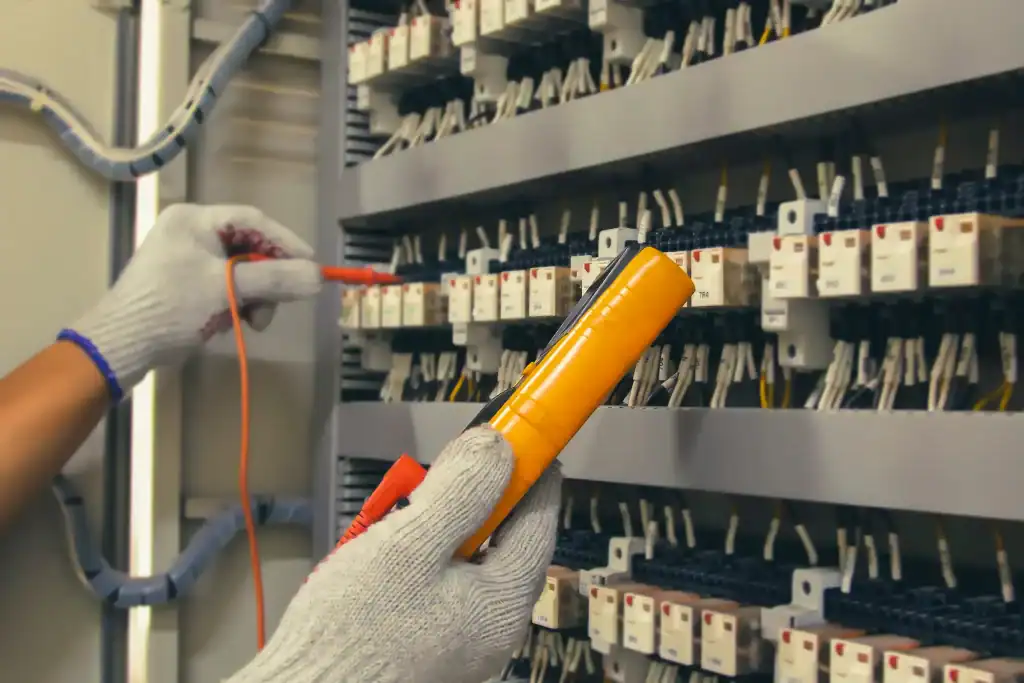
Certain electrical problems demand immediate professional intervention, regardless of the time or cost. Recognizing these situations protects your family and property from serious harm.
Electrical fires or any visible flames near electrical equipment require immediate emergency response. Even if you extinguish a small electrical fire, hidden damage in your walls or electrical system can cause re-ignition hours later.
Burning smells that persist after turning off power indicate ongoing electrical problems. Overheating wires can smolder inside walls for hours before bursting into flames, making this a genuine emergency even without visible fire.
Exposed wires, especially those that are sparking or have fallen due to storms, create electrocution hazards. Never approach downed power lines—they can energize the ground in a large area around them. Stay at least 35 feet away and call both 911 and your utility company.
Repeated electrical shocks from appliances, switches, or outlets signal dangerous wiring problems. Even minor shocks indicate current is flowing where it shouldn’t, which can escalate to serious injuries or fires.
Complete power loss to your home when neighbors have power often indicates problems with your main electrical service or meter connection. These issues require immediate attention because they can damage appliances when power is restored improperly.
Water contact with electrical systems creates extreme danger. If flooding affects your electrical panel, outlets, or any electrical equipment, treat the entire area as energized and dangerous. Never enter flooded areas with electrical hazards.
Many electrical problems, while inconvenient, don’t pose immediate safety risks and can wait for regular business hours when service calls cost less.
Single outlet failures that don’t involve sparking, burning smells, or hot surfaces can typically wait. If other outlets in the same room work normally, the problem is likely isolated to that specific outlet or its wiring connection.
One tripped circuit breaker that resets successfully and stays on doesn’t usually require emergency service. However, if the same breaker trips repeatedly, it becomes an emergency situation requiring immediate attention.
Light fixtures that stop working, provided they don’t spark, smoke, or cause breakers to trip, can wait for regular service hours. Simple bulb replacements or fixture issues rarely create safety hazards.
GFCI outlets that trip but reset normally are doing their job protecting you from electrical faults. If they reset and work properly afterward, you can wait to have them inspected during regular hours.
Minor electrical issues in non-essential areas like garages, sheds, or secondary bathrooms can often wait, provided they don’t affect your home’s main electrical systems or create safety hazards.
Planning ahead helps you handle non-emergency electrical issues efficiently. Keep your electrician’s contact information easily accessible, and don’t hesitate to call during business hours to schedule service for minor problems before they become emergencies.
Electrical emergencies test your judgment and require calm, informed responses to protect your family and property. Remember that your safety always comes first—no electrical repair is worth risking injury or death.
The steps you take in those first critical minutes can prevent minor electrical problems from becoming major disasters. Turn off power when safe to do so, keep people away from hazards, and never attempt repairs beyond your expertise.
When you need reliable emergency electrical services in Tarrant County, Dallas County, or Denton County, we provide the experienced, licensed professionals you can trust. Our 25+ years of local experience and A+ rating mean you get fast, safe solutions when electrical emergencies strike your home.
Article details:
Share:
Continue learning: