Smart electrical upgrades can significantly boost your North Texas home's market value while improving safety and efficiency.
Share:
Summary:
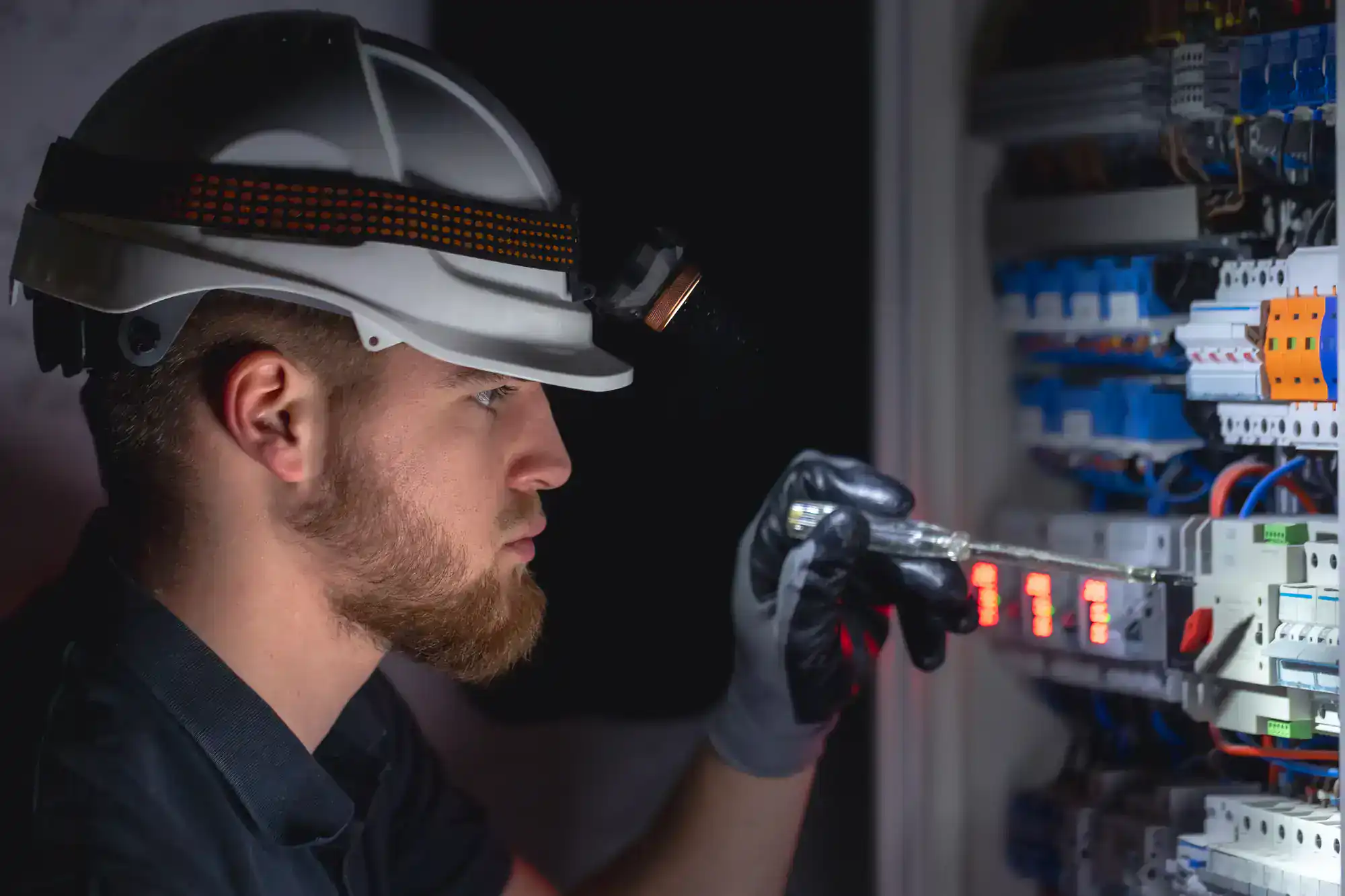
Safety isn’t negotiable for today’s home buyers, and your electrical system is where it all starts. Modern buyers walk into homes expecting certain safety standards, and missing these basics can kill a deal fast. The good news is that essential safety upgrades often provide the best return on investment because they’re non-negotiable for most families.
GFCI outlets top this list. If your bathrooms, kitchen, garage, and outdoor areas don’t have these life-saving outlets, you’re behind the times. Whole-house surge protection is another must-have that protects the thousands of dollars in electronics every family owns today.
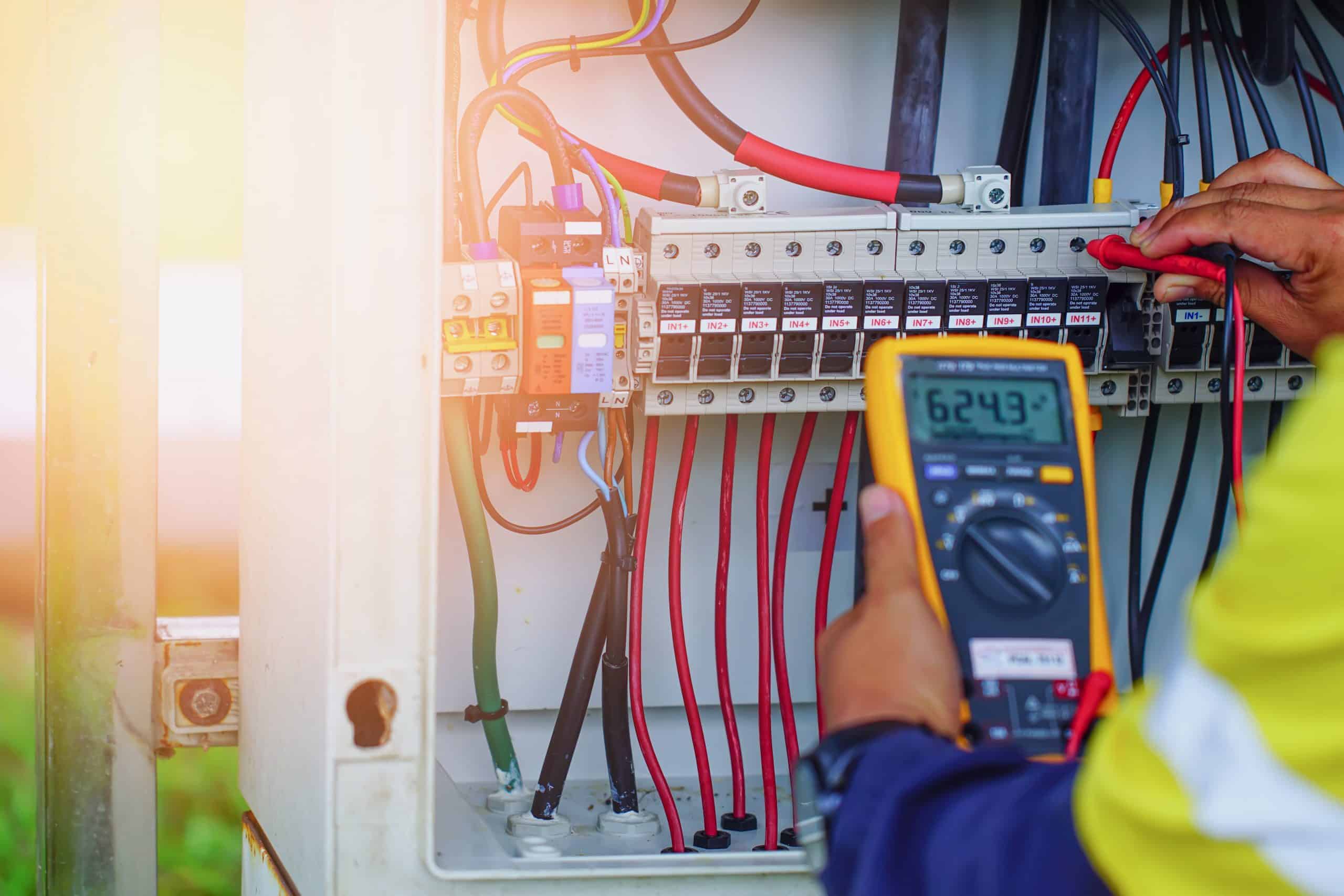
Your electrical panel is the heart of your home’s power system, and if it’s outdated, everything else suffers. Most North Texas homes built before 2000 need panel upgrades to handle modern electrical demands. We’re talking about homes that were designed when the biggest electrical load was a window unit and a TV, not multiple computers, smart home devices, electric vehicle chargers, and high-efficiency HVAC systems.
An electrical panel upgrade typically costs between $1,500 and $3,000, but it can add $3,000 to $5,000 to your home’s value. More importantly, it prevents the constant breaker trips that drive homeowners crazy and the potential fire hazards that keep insurance companies nervous. Modern 200-amp panels give you the capacity to actually live in your home without constantly juggling which appliances you can run simultaneously.
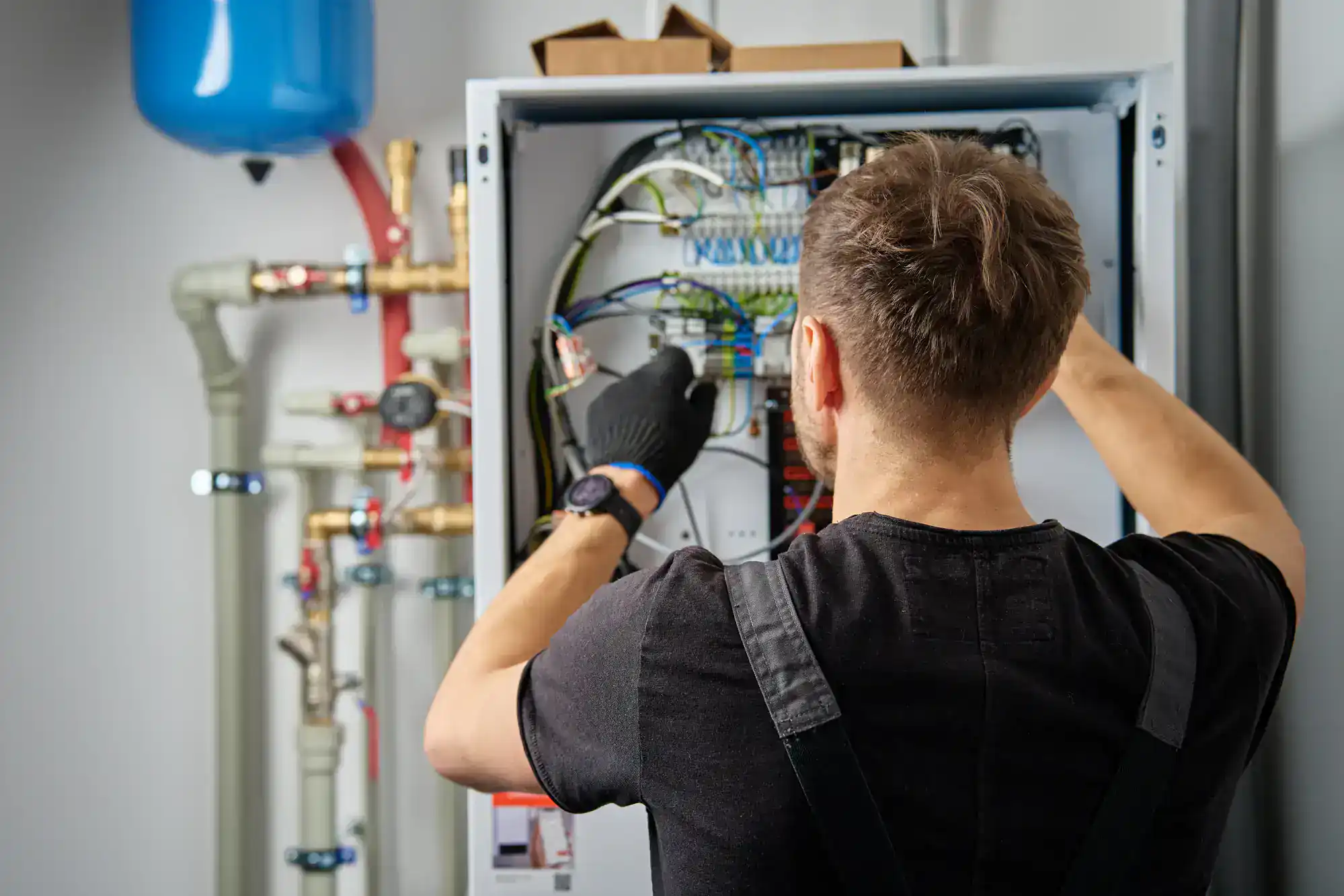
The upgrade process involves replacing your old breaker panel with a new one that meets current electrical codes. This means better safety features, more circuits for your growing electrical needs, and the peace of mind that comes with knowing your electrical system can handle whatever you throw at it. For homes in Tarrant County, Dallas County, and Denton County, this upgrade often becomes necessary when adding major appliances or planning any significant home improvements.
Your electrical panel is the heart of your home’s power system, and if it’s outdated, everything else suffers. Most North Texas homes built before 2000 need panel upgrades to handle modern electrical demands. We’re talking about homes that were designed when the biggest electrical load was a window unit and a TV, not multiple computers, smart home devices, electric vehicle chargers, and high-efficiency HVAC systems.
An electrical panel upgrade typically costs between $1,500 and $3,000, but it can add $3,000 to $5,000 to your home’s value. More importantly, it prevents the constant breaker trips that drive homeowners crazy and the potential fire hazards that keep insurance companies nervous. Modern 200-amp panels give you the capacity to actually live in your home without constantly juggling which appliances you can run simultaneously.
The upgrade process involves replacing your old breaker panel with a new one that meets current electrical codes. This means better safety features, more circuits for your growing electrical needs, and the peace of mind that comes with knowing your electrical system can handle whatever you throw at it. For homes in Tarrant County, Dallas County, and Denton County, this upgrade often becomes necessary when adding major appliances or planning any significant home improvements.
Texas energy bills hit different, especially during those brutal summer months when your AC runs non-stop. Energy-efficient electrical upgrades don’t just reduce your monthly bills—they’re selling points that matter to buyers who understand the cost of cooling a North Texas home. These improvements often pay for themselves through energy savings while adding measurable value to your property.
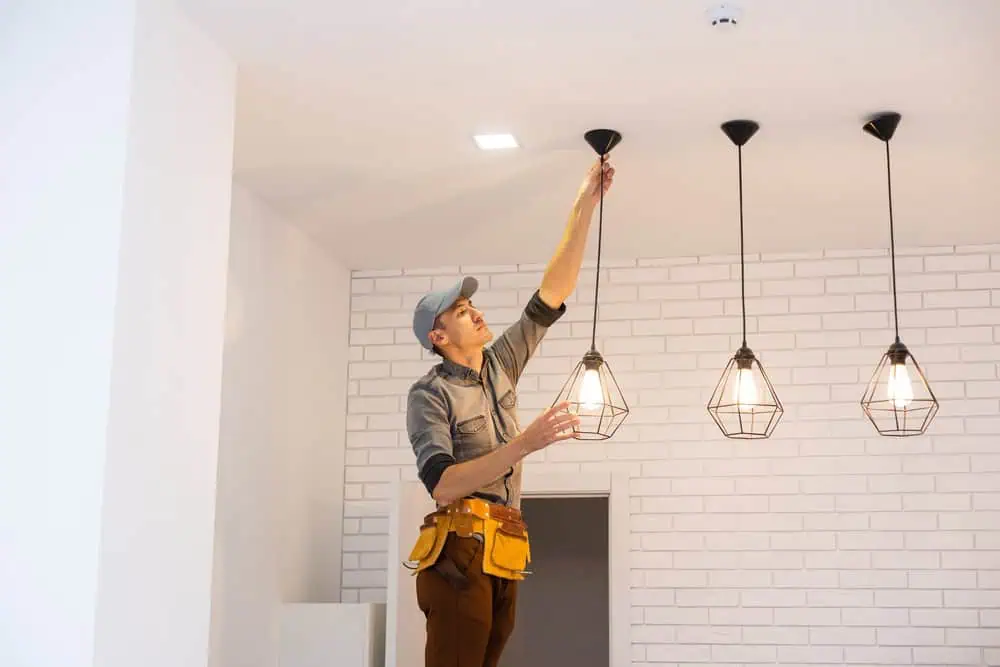
LED lighting conversions, dedicated circuits for high-efficiency appliances, and smart electrical controls can significantly reduce your energy consumption. Buyers increasingly factor utility costs into their purchasing decisions, making energy efficiency a competitive advantage in the housing market.
Anyone who’s lived through a Texas storm knows that power outages aren’t just inconvenient—they can be dangerous. Whole house generators have moved from luxury items to practical necessities for many North Texas families. The 2021 winter storm and regular summer storms that knock out power for days have made backup power a priority for homeowners and a strong selling point for buyers.
A properly installed whole house generator automatically kicks in when the power goes out, keeping your essential systems running without you having to do anything. We’re talking about keeping your refrigerator running, your AC or heat working, and your home security system active. For families with medical equipment, home offices, or simply the desire to maintain normal life during outages, generators provide invaluable peace of mind.
The installation process requires careful planning and professional expertise. We install a transfer switch that safely disconnects your home from the utility grid when the generator starts, preventing dangerous backfeed that could harm utility workers. The generator also needs a dedicated natural gas or propane connection, proper ventilation, and compliance with local codes and HOA requirements.
From a value perspective, whole house generators typically add 50-75% of their installation cost to your home’s value. But the real selling point isn’t just the financial return—it’s the security and convenience that buyers increasingly expect. In a market where power outages are common and unpredictable, having backup power gives your home a significant competitive advantage.
Electric vehicles are no longer a future consideration—they’re a current reality that’s growing rapidly across North Texas. Installing EV charging capability isn’t just about serving current electric vehicle owners; it’s about future-proofing your home for the inevitable shift toward electric transportation. Homes without EV charging capability are already at a disadvantage in some market segments, and this gap will only widen.
The most practical approach is installing a 240-volt outlet in your garage that can handle Level 2 charging. This allows electric vehicle owners to fully charge their cars overnight, which is how most EV charging actually happens. The installation requires running a dedicated circuit from your electrical panel to the garage, which means adequate electrical capacity and proper safety measures.
Many homeowners make the mistake of thinking they need to install a specific charging station, but the smart move is installing the electrical infrastructure that supports various charging options. This gives future buyers flexibility in choosing their preferred charging equipment while ensuring your home can handle the electrical demands of electric vehicle ownership.
The cost of installation varies depending on your electrical panel’s current capacity and the distance from panel to garage, but it’s typically much less expensive than most homeowners expect. More importantly, it’s becoming a checkbox item for many buyers, especially younger families and environmentally conscious purchasers who view electric vehicles as inevitable rather than optional.
The electrical upgrades that add the most value to your North Texas home are the ones that solve real problems while preparing for the future. Safety upgrades like panel replacements and GFCI outlets are non-negotiable basics that buyers expect. Smart home infrastructure and energy efficiency improvements provide daily benefits while appealing to modern buyers’ expectations.
The key is working with qualified electrical contractors who understand both current codes and future trends. These aren’t DIY projects, and cutting corners on electrical work can create safety hazards and legal issues that cost far more than professional installation.
When you’re ready to explore electrical upgrades that can increase your home’s value, we bring the expertise and local knowledge that North Texas homeowners trust for their most important electrical projects.
Article details:
Share:
Continue learning: