Discover the critical signs that indicate your home needs an electrical safety inspection and how these evaluations protect your family.
Share:
Summary:
An electrical safety inspection is a thorough evaluation of your electrical system to ensure it’s safe, up to code, and working properly. A licensed electrician examines everything from your main electrical panel to individual outlets, looking for potential hazards that could lead to fires, shocks, or system failures.
According to the National Fire Protection Association (NFPA), an average of 46,700 home fires occur annually due to electrical malfunctions. These aren’t just statistics – they represent real families who lost their homes, belongings, or worse because electrical problems went undetected.
The inspection process goes beyond what you can see. Your electrician will check connections, test safety devices, and identify code violations that might not be obvious but could become dangerous over time.

Certain warning signs indicate your electrical system needs professional attention. If you notice burning smells, flickering lights, or exposed wires, these are signs of immediate electrical hazards. But other indicators are more subtle and equally important.
Flickering lights, non-functional outlets, switches that are warm to the touch, and more frequent power outages are signs of an outdated, potentially dangerous electrical system. Many homeowners dismiss these as minor inconveniences, but they often signal serious underlying problems.
Circuit breakers that trip frequently tell you your system is overloaded or deteriorating. A breaker will trip to prevent fire when circuits get too hot. If you have an older home, it may not be equipped to handle the amp requirements of modern electronics and appliances.
You might also notice dimming lights when you turn on appliances, outlets that don’t work consistently, or a burning smell near electrical panels or outlets. These symptoms suggest your electrical system is struggling to meet your home’s power demands safely.
Don’t ignore these warning signs. Worn wires – often with their sheaths compromised – are a common cause of these issues. And, if left in service, will eventually lead to fires and sparking. The sooner you address these problems, the safer your family will be.
Several situations require electrical safety inspections, and understanding these requirements helps you stay compliant and safe. When buying or selling a home, inspections are required for real estate transactions and home appraisals. This protects both buyers and sellers by identifying potential electrical issues before they become the new owner’s expensive problem.
If your homeowner’s insurance requires an inspection, some policies mandate electrical safety checks. Insurance companies understand the fire risk associated with electrical problems, especially in older homes, and they want to minimize their exposure to claims.
Before or after a renovation, you need to verify code compliance before making upgrades. Any time you’re adding circuits, installing new appliances, or modifying your electrical system, an inspection ensures the work meets current safety standards.
If your home is 40+ years old, older wiring and outdated panels pose a higher fire risk. Many homes built before the 1980s have electrical systems that weren’t designed for today’s power demands. Many neighborhoods have homes built in the 1940s, 1950s, and 1960s. These homes were built long before today’s electrical needs existed. They often have old electrical panels and wiring that can’t handle modern electrical loads safely.
Even if you’re not required to have an inspection, it’s recommended to schedule a yearly electrical safety inspection. Preventative maintenance is much more affordable than emergency electrical repairs caused by overlooked hazards.
A comprehensive electrical inspection involves licensed electricians conducting detailed evaluations, checking everything from circuit breakers and wiring to outlets, switches, and grounding systems. The process is thorough but non-invasive, and most inspections can be completed in a few hours.
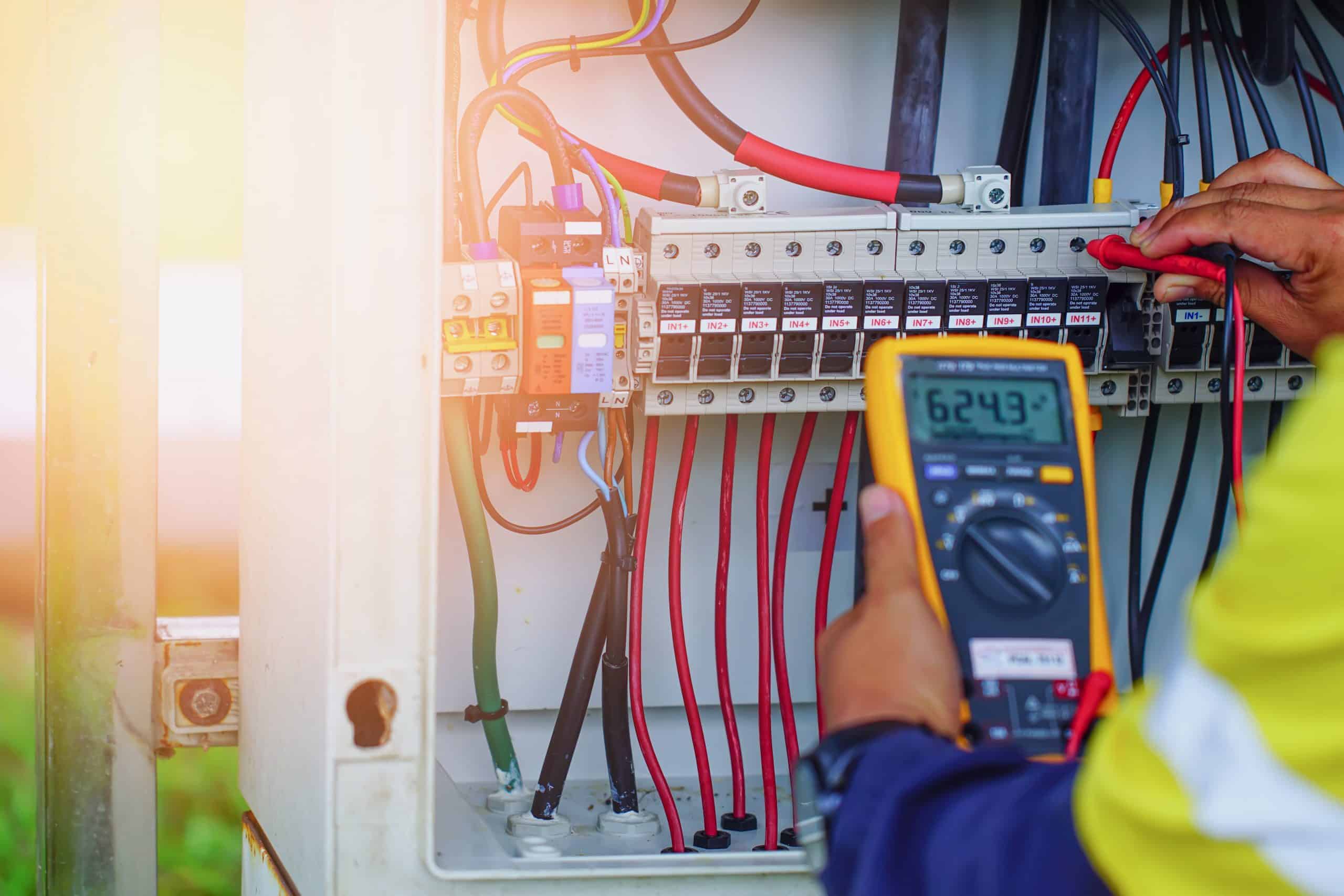
Your electrician will start with your main electrical panel, checking for proper connections, adequate capacity, and signs of wear or damage. They’ll test circuit breakers to ensure they’re functioning correctly and examine the overall condition of your electrical distribution system.
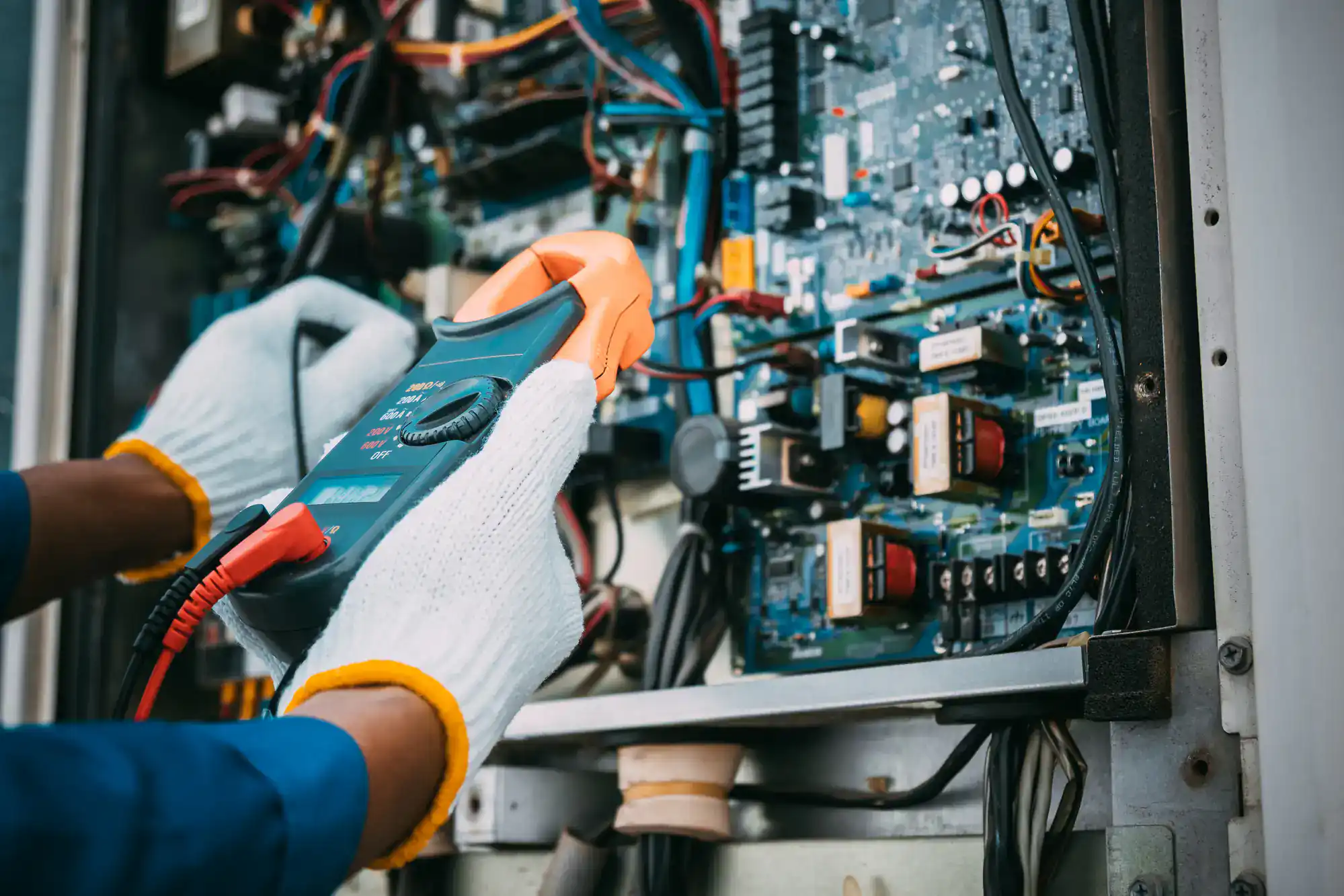
During an inspection, our highly trained technicians will thoroughly inspect every component of your electrical system, including sockets, electrical panels, breakers, outlets, and more, using all the necessary tools to give you peace of mind that your system is safe and properly wired.

Electrical safety inspections include main electrical panel servicing, smoke & carbon monoxide detector testing, wiring inspections for attics, crawl spaces & outdoor systems, breaker panel & circuit breaker assessments, grounding & outlet surge protection evaluations, and home amperage demand analysis.
The inspection covers safety devices that protect your family from electrical hazards. Ground Fault Circuit Interrupters should be installed in the kitchen, bathrooms, and on all outdoor outlets. A GFCI outlet can sense any impedance between a hot circuit and ground, and it is designed to trip when even a very small amount is detected. For example, if a person is getting shocked, the circuit will trip instantly, preventing electrocution.
Arc fault circuit breakers should be installed for outlets in all bedrooms and living areas. Since 2008, these life-saving devices have been a requirement in new construction. When the plugs of appliances like televisions, alarm clocks, or lamps get pulled slightly loose from the outlet, this can cause arcing currents. Nearby materials like drapery can catch fire and quickly spread. Arc fault circuit breakers are designed to trip instantly when even the slightest arcing is detected.
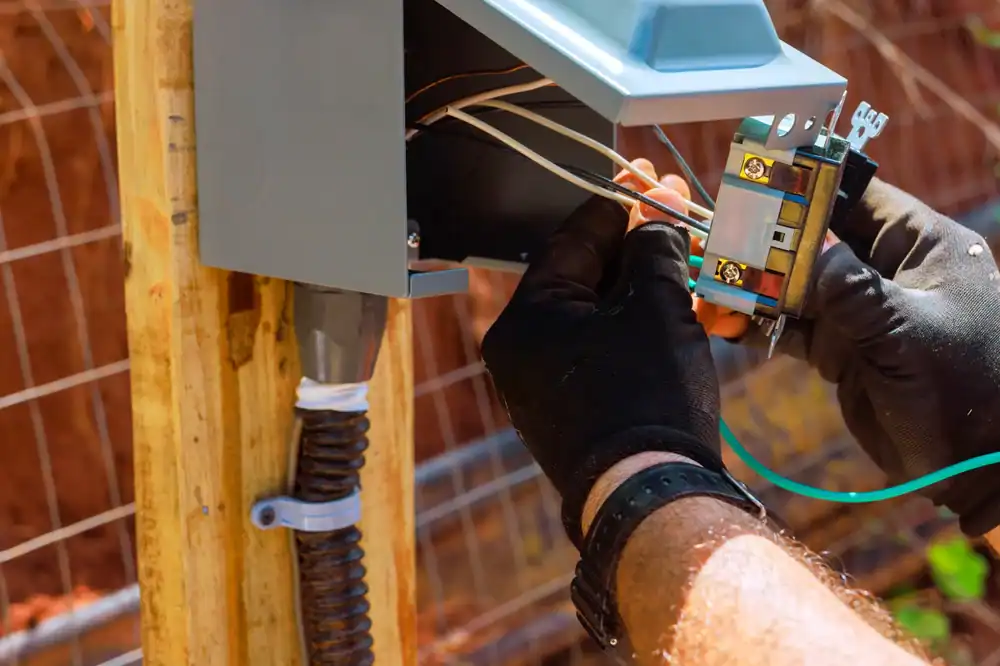
Your electrician will also check for dangerous shortcuts like back-stabbed connections. Back stabbing is an unsafe shortcut used by some electricians when installing electrical switches and receptacle devices. Instead of properly curling the wire around the side screws and properly tightening them, an incompetent electrician may insert wires into the back of the device. It has been proven that the spring mechanism in the back of these devices is too weak and can lead to overheating, potentially causing a fire.
The grounding system receives special attention because proper grounding protects you from electrocution. If your ground rod is not conducting well to the Earth, you can experience problems with your electrical system, ranging from dimming lights to electrocution hazards. During a home inspection, the electrician will check the ground rod connection to the Earth and determine if it has less than the required 25 ohm resistance.
Most electrical safety inspections cost between $200 and $400. Home size and accessibility can affect the final price. This investment provides significant value when you consider the alternative costs of electrical fires, emergency repairs, or insurance claims.
The cost of an electrical safety inspections can vary depending on the size and complexity of the property. However, it is worth the investment to ensure your family’s or employees’ safety and prevent costly electrical problems down the road.
After the inspection, you’ll receive a detailed report outlining any issues found and recommendations for repairs or upgrades. The summary includes any issues found and recommended next steps so you can get the most accurate overview of the status of your system. This documentation is valuable for insurance purposes, real estate transactions, and planning future electrical work.
The detailed reports offer clarity and transparency, empowering you to make informed decisions about any necessary repairs or improvements. Timely inspections prevent minor issues from escalating into costly emergencies, saving you money in the long run.
The inspection also provides peace of mind. You’ll know exactly what condition your electrical system is in and what steps, if any, you need to take to keep your family safe. Many homeowners discover that their systems are in better shape than expected, which is reassuring information to have.
Electrical safety inspections aren’t just about compliance – they’re about protecting what matters most to you. With electrical fires causing thousands of home fires annually, having a professional evaluate your system gives you the knowledge and confidence you need to keep your family safe.
Whether your home is showing warning signs, you’re planning renovations, or you simply want peace of mind, scheduling an inspection is a smart investment. The cost of an inspection is minimal compared to the potential cost of electrical fires, emergency repairs, or insurance claims.
Don’t wait for an electrical hazard to put your family at risk. Schedule a professional safety inspection with us today. We have over 25 years of experience serving families throughout Tarrant County, Dallas County, and Denton County, and we’re here to help you maintain a safe, reliable electrical system in your home.
Article details:
Share:
Continue learning: