Smart electrical upgrades can significantly boost your home's market value and appeal to buyers in the competitive Texas real estate market.
Share:
Summary:
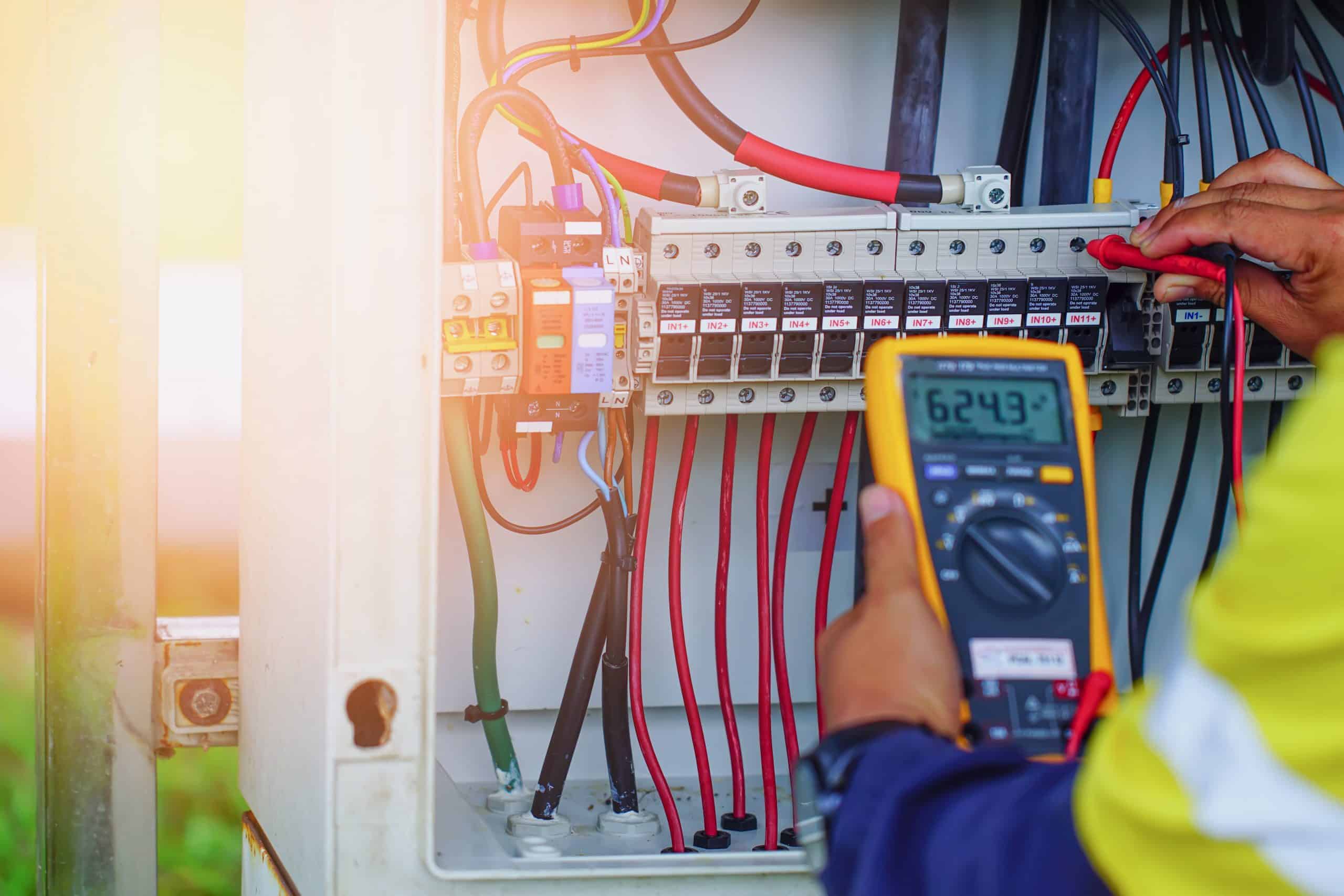
Your electrical panel is the heart of your home’s power system, and buyers know it. Most homes built before 1990 have panels that simply can’t handle today’s electrical demands. When buyers see an old fuse box or a 60-amp panel, they’re already calculating the cost of an upgrade.
Modern households need at least 150 amps, and many require 200 amps or more to support multiple devices, appliances, and smart home features running simultaneously. A panel upgrade isn’t just about meeting today’s needs—it’s about future-proofing your home for whatever technology comes next.
The investment typically pays for itself through increased home value and buyer confidence, especially when you can show that your electrical system is ready for anything from electric vehicle charging to whole-home automation.

When buyers tour homes, they’re not just looking at granite countertops and hardwood floors. They’re mentally cataloging what they’ll need to fix, upgrade, or replace before they can live comfortably. A 200-amp electrical service eliminates one major concern from their list.
This upgrade supports everything modern families expect: central air conditioning, electric ranges, multiple computers, smart TVs, home offices, and charging stations for phones, tablets, and electric vehicles. Without adequate electrical capacity, buyers face the immediate expense and inconvenience of a major electrical overhaul.
The visual impact matters too. A clean, modern electrical panel with clearly labeled circuits and plenty of spare breaker spaces suggests that the home has been well-maintained and thoughtfully updated. It’s a subtle but powerful signal that this house is move-in ready.
Beyond buyer appeal, 200-amp service often reduces insurance premiums and ensures compliance with current electrical codes. Many mortgage lenders now require electrical inspections, and homes with updated panels sail through these requirements while older systems can delay or complicate financing.
Smart electrical panels represent the cutting edge of residential electrical systems, and they’re quickly becoming a must-have feature for tech-savvy buyers. These systems go far beyond traditional circuit breakers by offering real-time energy monitoring, remote control capabilities, and integration with home automation systems.
With a smart panel, homeowners can monitor their energy usage from their smartphone, receive alerts about potential issues, and even control individual circuits remotely. This level of control appeals to buyers who want to optimize their energy consumption and catch problems before they become expensive repairs.
The installation cost typically ranges from $1,500 to $4,000, but the long-term value extends beyond the initial investment. Smart panels can help homeowners qualify for utility rebates, reduce energy costs through better monitoring, and provide valuable data for troubleshooting electrical issues.
For homes with solar panels or battery backup systems, smart panels offer seamless integration and optimization. They can automatically manage power flow between solar generation, battery storage, and grid consumption, maximizing efficiency and cost savings. This sophisticated power management capability is increasingly attractive to environmentally conscious buyers who view energy efficiency as a priority.
Lighting accounts for about 15% of the average household’s energy bill, making it one of the most impactful areas for efficiency improvements. LED lighting upgrades offer immediate energy savings, longer bulb life, and enhanced home aesthetics that buyers notice and appreciate.
The average household can save $225 annually by switching to LED lighting, and these bulbs last up to 25 times longer than traditional incandescent options. For buyers calculating long-term ownership costs, these savings add up to significant value over time.
Modern LED systems also offer features that weren’t possible with older lighting technology, including dimming capabilities, color temperature adjustment, and integration with smart home systems.

Recessed lighting transforms rooms by providing clean, even illumination without the visual clutter of traditional fixtures. This upgrade is particularly effective in kitchens, living rooms, and bedrooms where overhead fixtures can make ceilings feel lower or spaces feel cramped.
The installation process involves cutting precise holes in the ceiling and running new electrical circuits, which is why it’s often more cost-effective to complete this work during other renovation projects. Professional installation ensures proper spacing, adequate insulation clearance, and compliance with local electrical codes.
Beyond aesthetics, recessed lighting offers practical advantages that buyers appreciate. The fixtures are virtually maintenance-free, provide excellent task lighting for cooking and reading, and can be controlled with dimmer switches for ambiance. Many buyers specifically look for homes with updated lighting because they know the cost and disruption of adding it later.
The return on investment for recessed lighting is particularly strong in key areas like kitchens and master bedrooms. These spaces get the most scrutiny from buyers, and professional lighting makes them feel more luxurious and functional. Combined with LED bulbs, recessed lighting becomes an energy-efficient feature that appeals to cost-conscious buyers.
Smart lighting systems represent the next evolution in home illumination, offering convenience and efficiency that traditional switches simply can’t match. These systems allow homeowners to control lights remotely, set schedules, create custom scenes, and even adjust lighting based on occupancy or time of day.
The technology has matured to the point where smart lighting is both reliable and affordable. Basic smart switches start around $50, while comprehensive whole-home systems can be installed for a few hundred dollars. The key is choosing components that work together seamlessly and integrate with popular smart home platforms.
For buyers, smart lighting demonstrates that a home is ready for modern living. They can imagine controlling their lights from bed, setting vacation schedules for security, or creating the perfect ambiance for entertaining. These aren’t just convenient features—they’re lifestyle enhancements that make daily routines easier and more enjoyable.
The energy savings from smart lighting can be substantial. Automated schedules ensure lights aren’t left on unnecessarily, occupancy sensors turn lights off in empty rooms, and dimming capabilities reduce energy consumption while extending bulb life. For environmentally conscious buyers, these features represent both cost savings and reduced environmental impact.
The key to maximizing your return on electrical upgrades is choosing improvements that deliver both immediate benefits and long-term value. Focus on upgrades that enhance safety, improve energy efficiency, and prepare your home for future technology needs.
Start with essential safety updates like GFCI outlets in wet areas and ensure your electrical panel can handle modern demands. Then consider convenience features like USB outlets, smart switches, and adequate lighting that buyers expect in today’s market.
When you’re ready to upgrade your home’s electrical system, we bring over 25 years of experience to every project in Tarrant County, Dallas County, and Denton County. Our licensed electricians understand which improvements deliver the best return on investment and can help you create an electrical system that enhances both your daily life and your home’s market value.
Article details:
Share:
Continue learning: