A backup generator is only useful if it's protecting the right things. Here's what Tarrant County homeowners need to know before the next outage hits.
Share:
Summary:
Most people think about backup power after the lights go out. If you’ve lived through a Tarrant County summer storm or remember what February 2021 felt like, you already know that waiting until the outage hits is too late. The real question isn’t just whether you have a backup generator for home use — it’s whether it’s actually covering the systems that keep your household safe, functional, and livable. Some of those systems are obvious. A few might surprise you. Either way, knowing what’s at stake before you buy makes a significant difference in what you end up choosing.
There are two main paths when it comes to backup power: portable generators and whole-house standby systems. Portable units are cheaper upfront and can handle a few appliances at a time, but they require you to be home, set them up manually, run extension cords, and keep them fueled. They also can’t safely power central air conditioning — which, in a Fort Worth summer where indoor temperatures can climb past 120°F within hours of an outage, is a serious limitation.
Standby generators are permanently installed outside your home and connected directly to your electrical panel. When ONCOR’s grid goes down, a standby unit detects the outage and activates automatically — usually within seconds — without you lifting a finger. That matters whether you’re asleep, at work, or out of town when the power fails.
The right choice depends on what you’re trying to protect. And that’s exactly what the rest of this page is about.
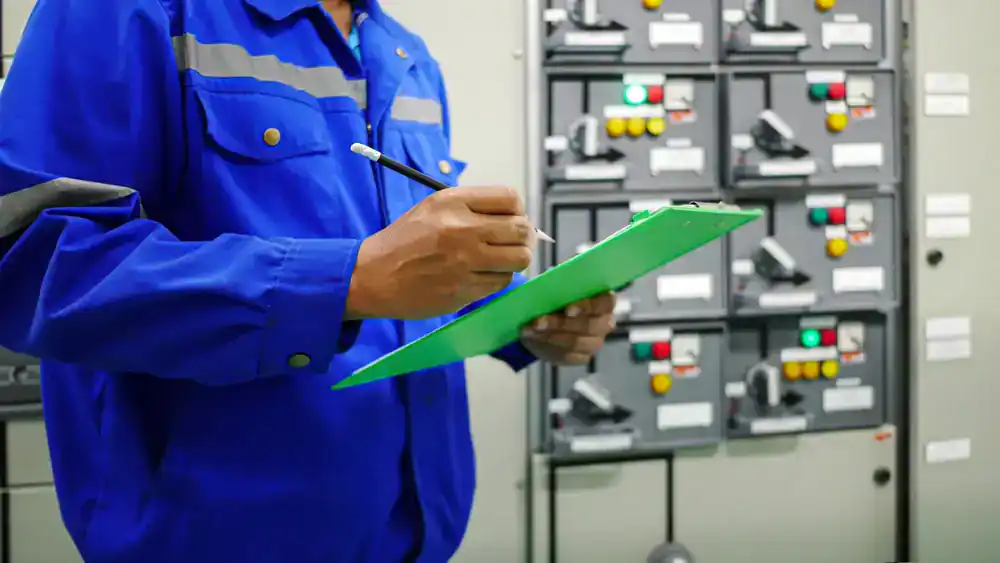
Generator sizing is where a lot of homeowners go wrong, and it’s usually because they’re guessing instead of calculating. Too small, and the generator overloads during an outage. Too large, and you’ve overspent on capacity you’ll never use. The right size comes from a load calculation — an assessment of every system you need to run simultaneously, accounting for both running wattage and startup surge.
To give you a frame of reference: a central HVAC system draws between 3,500 and 5,000 watts when running, but its startup surge can hit 7,000 to 10,000 watts. A refrigerator adds another 150 to 400 watts. A home oxygen concentrator runs continuously at 150 to 600 watts. A sump pump pulls 750 to 1,500 watts. Add lighting, security systems, and a home office setup, and you’re stacking load fast.
For most homes in the 2,000 to 3,000 square foot range with central air, a 20kW standby generator is typically the right fit. Larger homes in Keller, Southlake, or Colleyville — where square footage, multiple HVAC zones, and high-end appliances are common — often require 22kW or higher. The only way to know for certain is to have a licensed electrician run the numbers on your specific home before you commit to anything.
Startup surge is not the same as running load. A generator that’s technically rated to handle your home’s average draw can still trip under the surge demand of a large AC compressor kicking on. This is why proper sizing isn’t just about matching wattage on paper — it’s about understanding how your home’s systems actually behave during startup, and making sure your generator can handle the peak, not just the average.
Once you understand what a generator can and can’t do, the next step is deciding what it needs to cover. Here are the five systems that matter most for Tarrant County homeowners — and why each one earns its place on the list.
Your HVAC system is the most critical in this climate. When temperatures in Fort Worth regularly exceed 100°F in July and August — with a recorded high of 113°F — losing air conditioning isn’t just uncomfortable. For elderly residents, young children, or anyone with a heat-sensitive medical condition, it becomes dangerous within a matter of hours. Your generator needs to be sized to handle the full startup surge of your AC unit, not just its running load.
Refrigeration is next. A power outage that lasts more than four hours puts your refrigerator’s contents at risk. For most households, that’s a few hundred dollars in groceries. For families managing insulin storage or other temperature-sensitive medications, it’s a health emergency. A properly connected standby generator keeps your refrigerator and freezer running continuously, with no intervention required.
Medical equipment is the third system — and the one most often overlooked in generic generator guides. Home oxygen concentrators, CPAP machines, electric wheelchairs, and infusion pumps all require uninterrupted power. For a significant portion of Tarrant County’s population aged 65 and older, this isn’t a convenience issue. It’s a safety one. If anyone in your home depends on electrically powered medical equipment, that load needs to be factored into your generator sizing from the start.
Security systems are fourth. Most people don’t realize their alarm system, smart locks, and security cameras go dark the moment power fails — unless they’re connected to a backup source. A monitored alarm system with no power is effectively offline. In the aftermath of a major storm, when emergency response times stretch and opportunistic break-ins increase, that’s a vulnerability you don’t want.
The fifth system is your home’s communications and connectivity infrastructure. If you work from home — and a large share of Tarrant County residents do, at least part-time — a power outage isn’t just an inconvenience. It’s lost income, missed meetings, and real professional consequences. Your router, modem, and work equipment all need to stay online. A whole-house standby generator keeps them running without any manual setup or extension cord management.
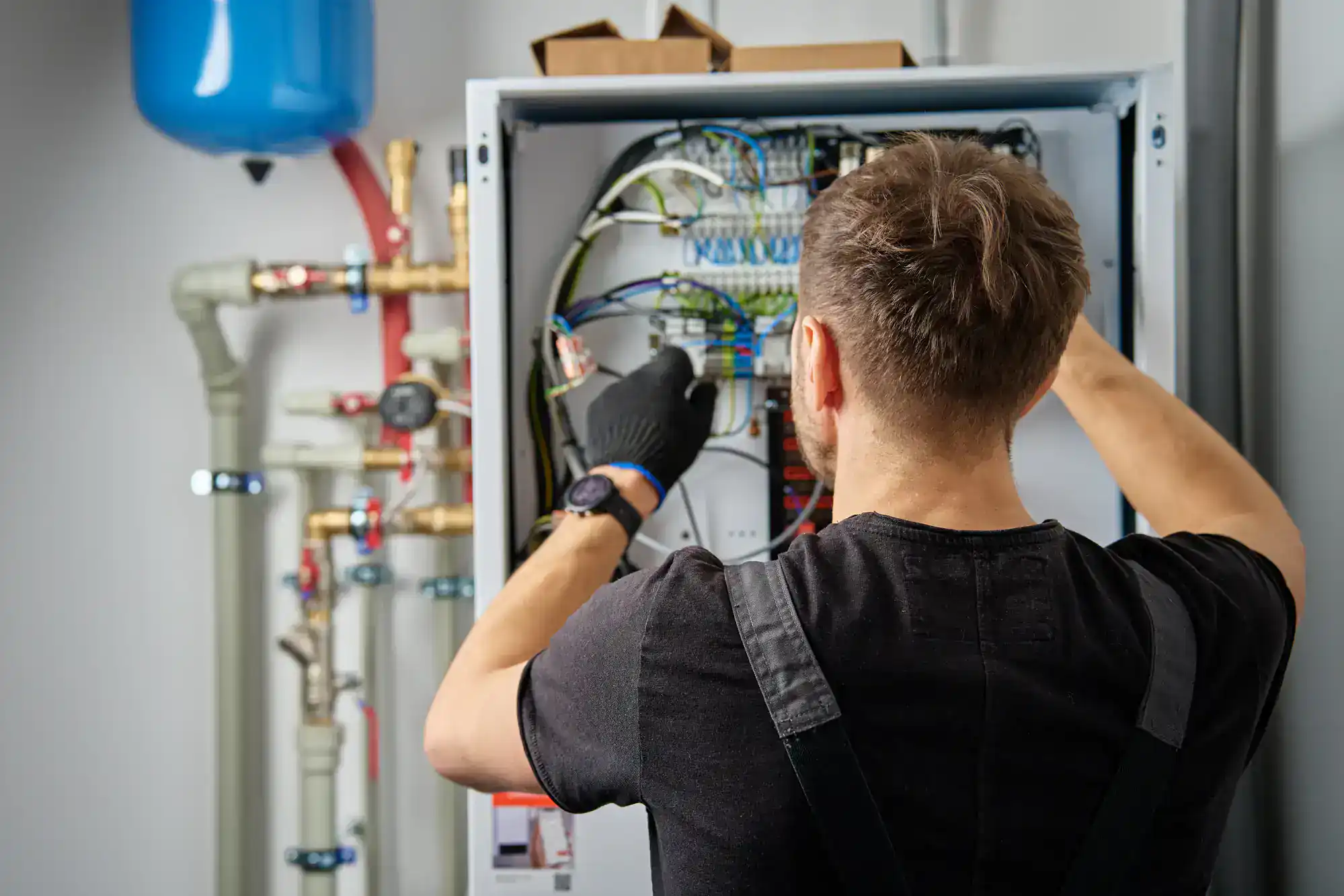
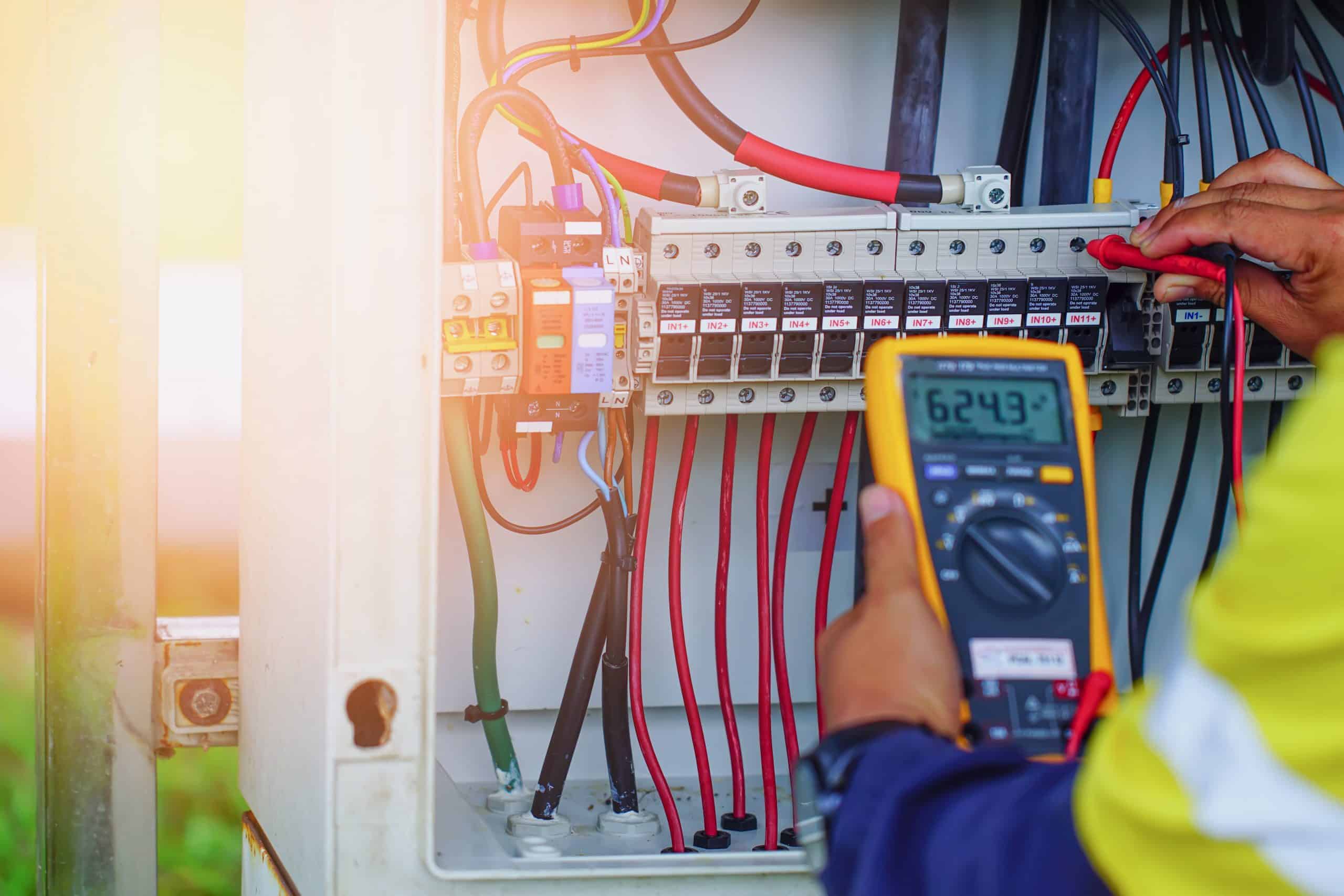
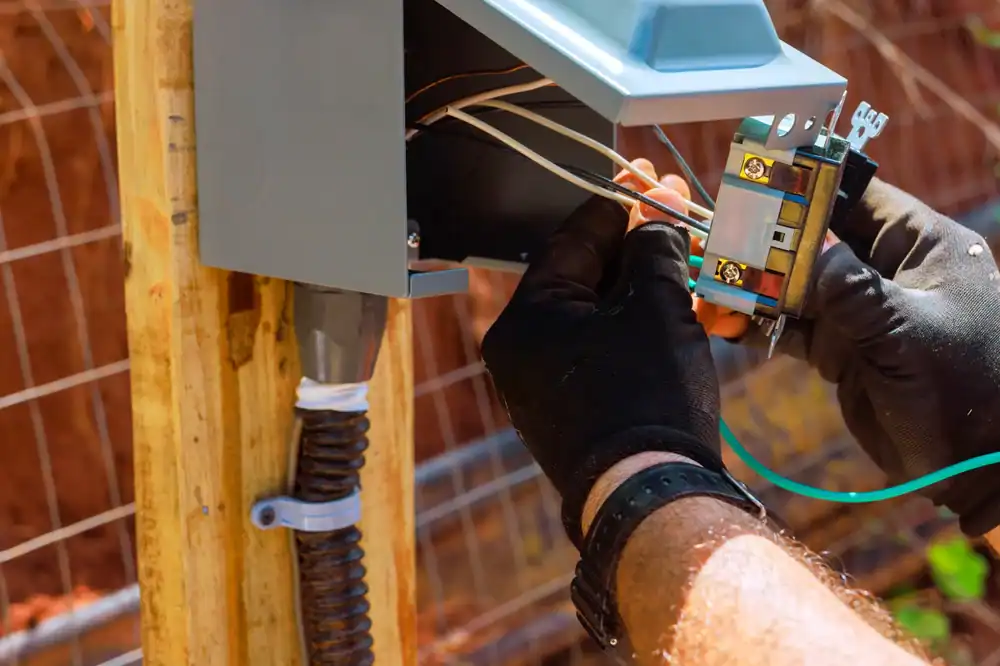
Understanding what you need is one thing. Getting it installed correctly is another. Generator installation involves more than dropping a unit in your backyard — it requires a licensed electrician to integrate the system with your electrical panel, an automatic transfer switch that safely isolates your home from ONCOR’s grid before generator power is applied, and proper gas line connections handled by someone with the right credentials.
In Fort Worth and across Tarrant County, generator installations also require permits. That’s not optional, and it’s not just bureaucratic paperwork — an unpermitted installation can void your homeowner’s insurance and create real legal complications when you sell your home. The permit process exists because the stakes are high, and a city-certified inspector signing off on the work is the closest thing you get to an independent guarantee that it was done right.

This is one of the most common questions we hear, especially in the weeks after a significant storm rolls through the Mid-Cities or after ERCOT issues a summer conservation warning. Most whole-house standby generator installations are completed in a single day by an experienced crew. Timeline depends on a few variables — whether your electrical panel needs an upgrade first, how far the gas line needs to run, and how quickly permits can be processed through your municipality.
What that means practically is that if you’re in Hurst, North Richland Hills, or Watauga and you call us this week, you could realistically have a fully installed, permitted, and inspected standby generator protecting your home before the next major weather event. Demand spikes sharply after major outage events. After Winter Storm Uri, generator installation wait times across the DFW area stretched to weeks or months as every provider in the region got flooded with requests simultaneously. If you’re thinking about it now, acting before the next storm is the move — not after.
The other factor that affects timeline is your home’s existing electrical infrastructure. Older homes in Fort Worth neighborhoods like Polytechnic, Riverside, or the Near Southside were built with 100-amp service panels that weren’t designed for today’s electrical loads, let alone a whole-house generator. In those cases, a panel upgrade is a necessary first step — and it’s work we handle as part of the same project, so you’re not coordinating between multiple contractors.
Installing a generator is the first step. Keeping it ready is the part that gets skipped. Modern standby generators run automatic self-tests on a weekly schedule, which is reassuring — but it’s not a substitute for annual professional maintenance. An oil change, air filter replacement, spark plug inspection, battery check, and full load test should happen once a year, ideally before storm season begins. A generator that hasn’t been serviced in two or three years may start its self-test just fine and still fail under the sustained load of a real outage.
For Tarrant County homeowners, there are two distinct storm seasons to prepare for. Spring — roughly March through May — brings severe thunderstorms, high winds, large hail, and tornado risk. This is the season that knocks out power lines across Fort Worth and the Mid-Cities, sometimes for days at a time. Summer brings a different threat: sustained heat and grid strain. When ERCOT issues conservation warnings during a July heat wave, the grid is operating near its limit. Rolling outages become a real possibility, and the homes without backup power are the ones that feel it most.
A practical readiness checklist before either season looks something like this: confirm the generator starts and runs through a full self-test cycle, verify the automatic transfer switch activates and deactivates cleanly, check the fuel supply (natural gas line pressure or propane tank level), and schedule a professional service if it’s been more than 12 months. If you have a portable unit, make sure it’s stored properly, the fuel is fresh or stabilized, and you have a clear plan for safe outdoor deployment — portable generators should never run inside a garage or near any window or door, given the carbon monoxide risk.
If you’re in a newer development in Haslet, Saginaw, or far north Fort Worth, it’s also worth knowing that rapid growth in those areas has put real pressure on ONCOR’s distribution infrastructure. Newer neighborhoods aren’t immune to outages — in some cases, they’re more vulnerable to them than established parts of the city, simply because the grid hasn’t kept pace with the population.
A backup generator for home use is only as reliable as the installation behind it. The equipment matters, but the work — the transfer switch integration, the load calculation, the permits, the inspection — is what determines whether it actually performs when you need it.
We’ve been doing this work in Fort Worth and across Tarrant County for over 25 years. We’re a family-owned business, not a franchise, and every installation is handled by our own licensed electricians — no subcontracting. We pull every permit, coordinate every inspection, and walk you through the system before we leave.
If you’re ready to stop wondering what happens to your home the next time ONCOR’s grid goes down, a href=”https://carrollservicecotx.com/about-us/”>Carroll Service Co is a straightforward call or message away.
Article details:
Share:
Continue learning: