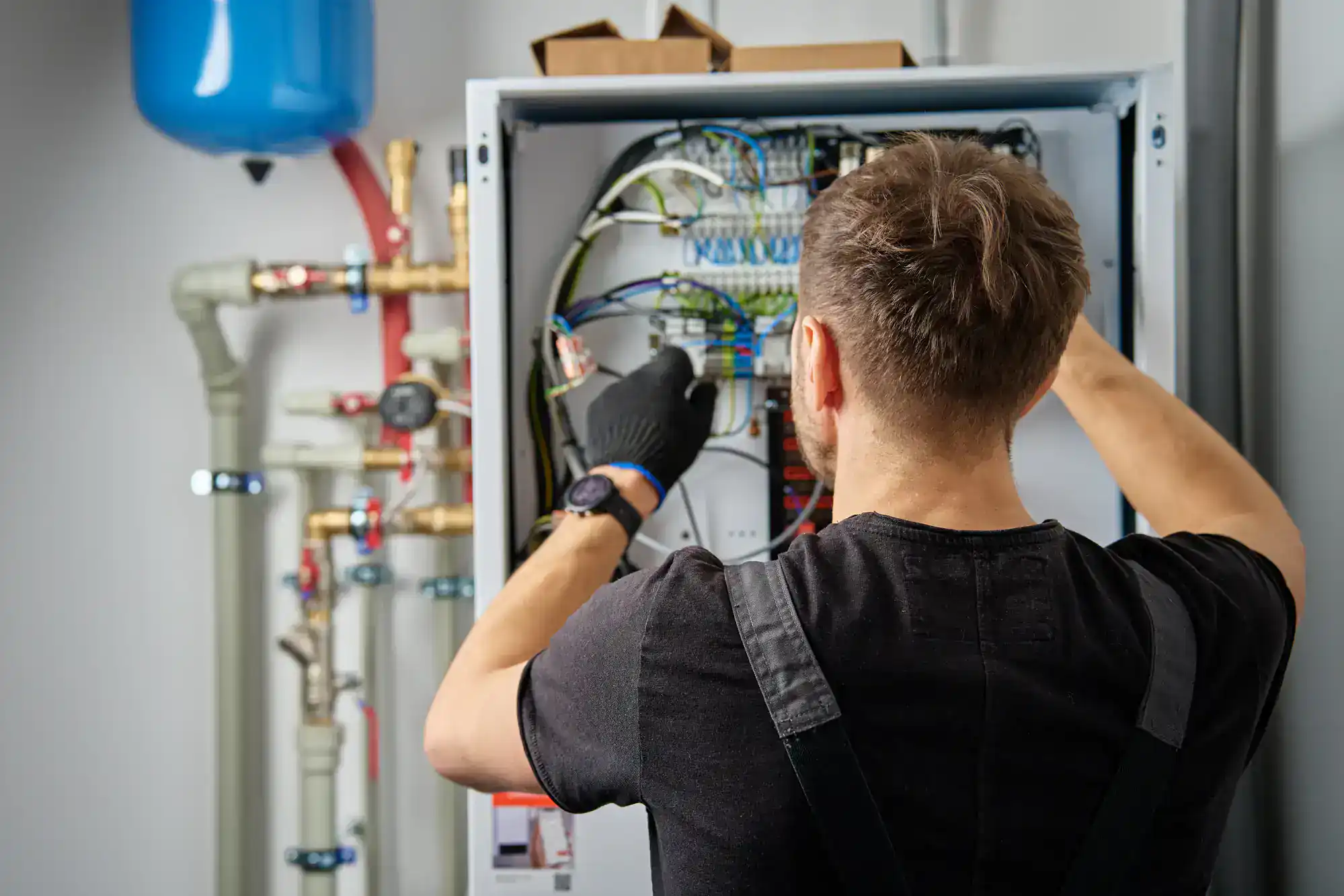
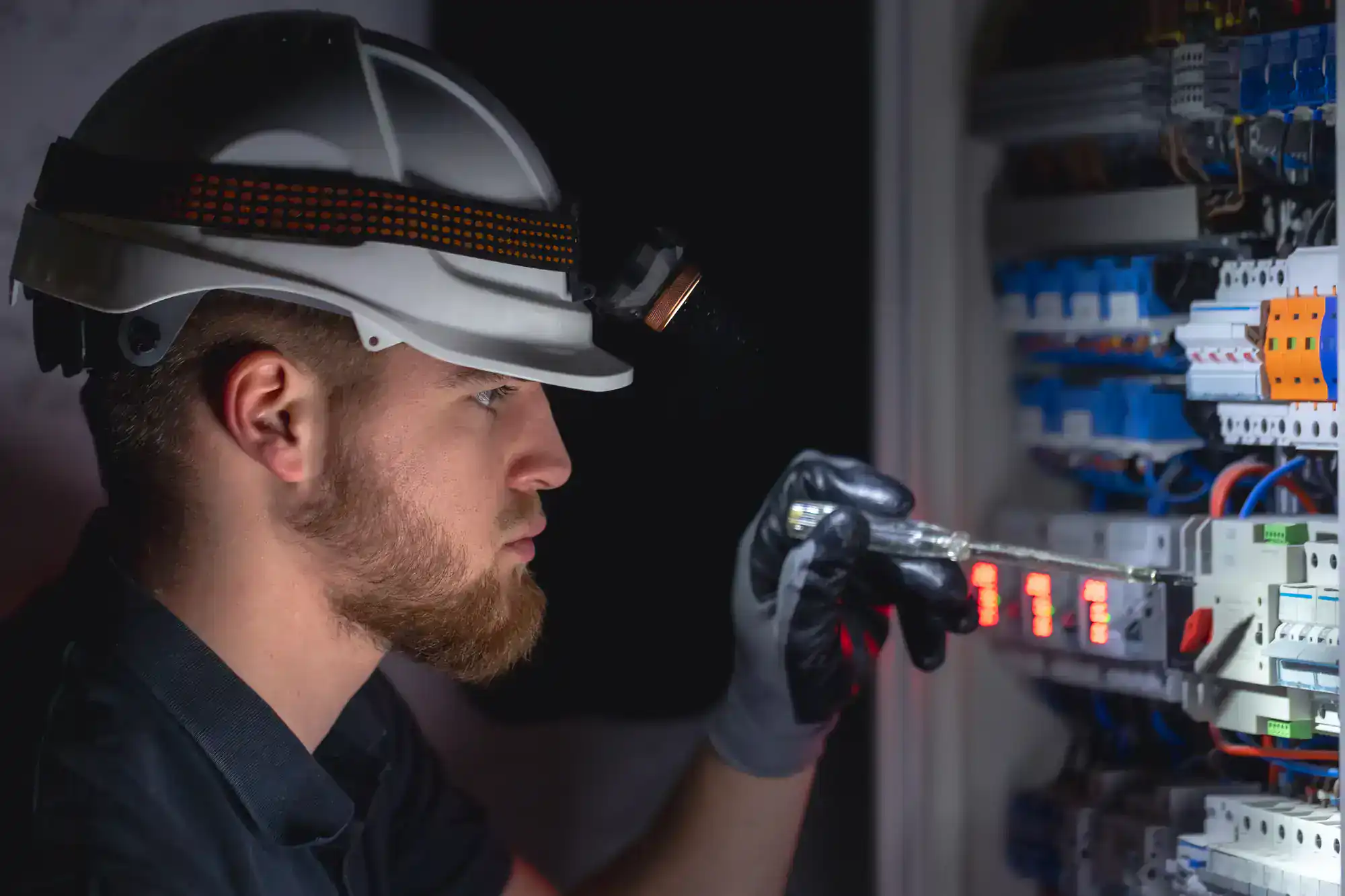
Selling a home in Tarrant County with unpermitted electrical work is riskier than most sellers realize. Here's what's actually at stake — and how to get ahead of it.
Share:

Summary:
You’re getting ready to sell your home. You’ve painted, decluttered, maybe replaced the carpet. And somewhere in the back of your mind is a nagging thought about that electrical work done years ago — the panel upgrade, the garage circuit, the outlets added during a renovation. Was it permitted? Did whoever did it pull a permit? You’re not sure, and you’ve been hoping it won’t come up. It will. In Tarrant County’s active real estate market, unpermitted electrical work is one of the most common deal-killers — and one of the most preventable. Here’s what you’re actually dealing with.
The short answer is: more than most homeowners think. In Fort Worth, Keller, North Richland Hills, Euless, Bedford, and Haltom City — the major municipalities across Tarrant County — electrical permits are required for panel upgrades, new circuits, outlet additions, EV charger installations, generator hookups, and significant wiring changes. The permit requirement applies regardless of who does the work.
Texas law allows homeowners to perform electrical work on their own primary residence without a license, but that does not mean they can skip the permit. Your city still requires one. A homeowner who wired their own garage addition, or a handyman who added a few circuits without pulling a permit, may have done work that looks perfectly fine — and still created a legal and financial liability that shows up at closing.

Here’s where things get complicated. A general home inspector will walk through the house, check the panel, test outlets, and note anything that looks off. What they can’t do is pull permit records and cross-reference them against the work they’re seeing.
But buyers — and their agents — increasingly do exactly that. Tarrant County permit records are public and accessible. A buyer who suspects something wasn’t permitted can verify it with a quick search.
When unpermitted electrical work surfaces during a transaction, the seller is left with a few options, none of them great. You can renegotiate the price downward to account for the risk the buyer is absorbing. You can agree to remediate the work before closing, which compresses your timeline and adds cost. Or you can disclose and hope the buyer doesn’t walk.
Under Texas Property Code Section 5.008, sellers are required to complete a Seller’s Disclosure Notice that asks directly about alterations, additions, and modifications to the property. Answering that form incorrectly — or incompletely — creates its own legal exposure.
The financial consequences are real. Texas courts have consistently sided with buyers who discover undisclosed unpermitted work after closing. Sellers in those cases have ended up paying $15,000 to $40,000 in damages, repairs, and attorney fees. That’s not a hypothetical. That’s what happens when the problem is ignored long enough to become someone else’s lawsuit.
There’s another dimension most sellers don’t think about: insurance. If unpermitted electrical work contributed to a fire or other damage, a homeowner’s insurance carrier can deny the claim entirely. That risk doesn’t disappear at closing — it transfers to the buyer, who knows it, and prices accordingly.
The instinct to wait and see is understandable. Maybe the inspector won’t notice. Maybe the buyer won’t pull permit records. Maybe it won’t come up.
But the math on waiting is bad.
Retroactive permitting — legalizing electrical work after the fact — often requires opening walls and ceilings so an inspector can physically see the work. A circuit addition that cost a few hundred dollars when it was done can cost $5,000 or more to remediate retroactively, before you factor in drywall repair, repainting, and the reinspection fee. Electrical permit fees in Fort Worth and across Tarrant County typically run $40 to $300 depending on the scope of the project. That’s the cost of doing it right the first time. The cost of doing it wrong and fixing it later is a multiplier, not a flat fee.
There’s also the negotiating leverage angle. A buyer who discovers unpermitted work mid-transaction doesn’t just ask for a price reduction equal to the repair cost. They ask for more, because they’re absorbing uncertainty. They don’t know what else might be wrong. They don’t know if the work is safe. They’re being asked to take on a liability they didn’t sign up for, and they’ll price that accordingly.
Sellers who get ahead of the issue — who hire a licensed electrical inspector before listing, identify any unpermitted work, and remediate it properly — walk into negotiations from a position of strength rather than damage control.
The homes in Fort Worth’s older neighborhoods — Polytechnic Heights, Wedgwood, Riverside, Benbrook — frequently have electrical systems that haven’t been touched by a licensed electrician in decades. The Mid-Cities corridor from Haltom City through Euless and Bedford is full of 1970s and 1980s ranch-style homes where garage conversions and room additions were common weekend projects, often done without permits. If you own one of those homes and you’re thinking about selling in the next year or two, the time to find out what you’re dealing with is now — not when a buyer’s inspector is standing in your panel room.
This is where a lot of sellers make a costly assumption. They figure the general home inspection covered the electrical system, so they’re good. It didn’t.
A general home inspector performs a visual, non-invasive survey. They’ll check whether outlets work, whether the panel looks organized, whether there are obvious hazards. What they won’t do is open the panel and evaluate the breakers in detail, trace circuits, test GFCI and AFCI protection throughout the house, assess wiring condition behind walls, or verify that the work they’re seeing matches what’s on file with the city.
A licensed electrical inspector performing a full electrical safety inspection goes considerably deeper — and produces documentation that actually means something to buyers, lenders, and insurance companies.
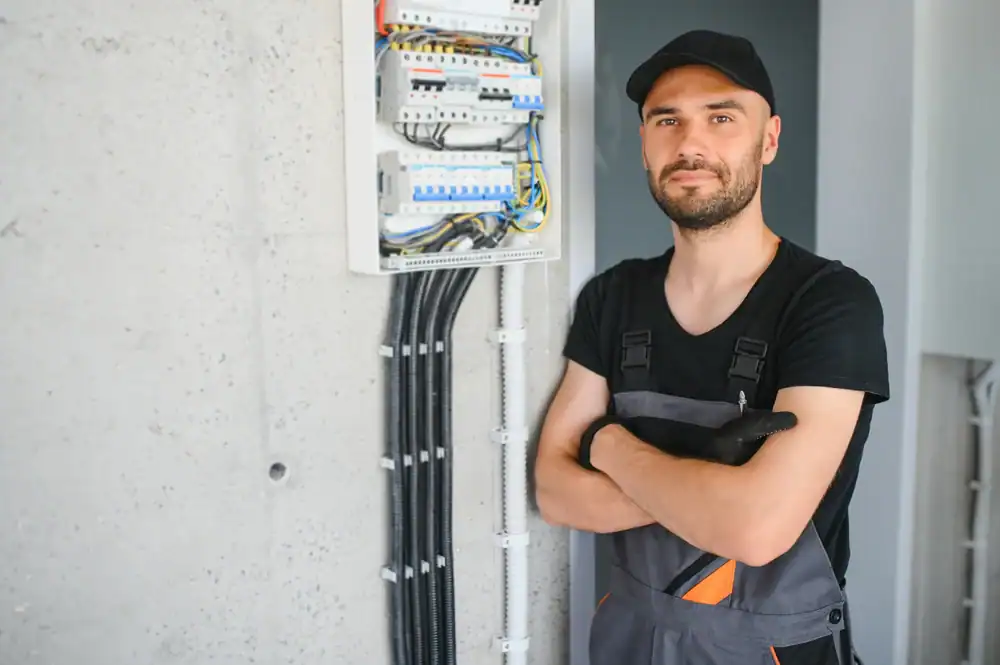
An electrical safety inspection by a licensed electrical inspector covers the components that actually determine whether a home’s electrical system is safe, code-compliant, and documentable. That starts with the panel — evaluating the breaker condition, confirming the service capacity is adequate for the home’s load, and checking for signs of DIY modifications or double-tapping.
Homes built before 1980 in Tarrant County frequently have 60-amp or 100-amp service panels that are undersized for modern electrical demands, particularly if the home has added central air, a dishwasher, or other appliances since the original installation.
From there, a thorough inspection covers the wiring throughout the home — looking for aluminum wiring (common in homes built between 1965 and 1973, which describes a significant portion of the housing stock in Haltom City and older Fort Worth neighborhoods), knob-and-tube wiring in the oldest properties, and any visible signs of amateur work. Outlets and switches are tested for proper grounding and GFCI protection in required locations. Smoke detector placement and function is verified.
Critically, the electrician can cross-reference what they’re seeing against permit records to identify work that was done without city sign-off.
The result isn’t just a verbal assessment. It’s documentation — a written record of what was inspected, what was found, and what was corrected. That’s the piece of paper that satisfies a buyer’s agent, a lender’s underwriter, and a title company’s checklist. A home inspector’s report flags concerns. A licensed electrical inspector’s inspection resolves them.
Tarrant County’s housing stock is genuinely diverse, and what we’re looking for in a 1962 Fort Worth bungalow is different from what we’re looking for in a 2005 Keller new-build. We’ve been doing electrical work across this county since the late 1990s, and that history matters when it comes to inspections.
We know which neighborhoods have aging wiring that’s been patched and re-patched over the decades. We know which eras of construction used aluminum wiring and where it’s likely to show up. We know the specific permit processes for Fort Worth, Keller, North Richland Hills, and the other municipalities across Tarrant County, because we’ve pulled permits in all of them.
When we do an electrical safety check on a home that’s heading toward a sale, we’re looking at everything a buyer’s inspector might flag — and then some. Panel capacity and condition. Breaker integrity. Grounding and bonding. GFCI protection in kitchens, bathrooms, garages, and exterior locations. AFCI protection on bedroom circuits where current code requires it. The condition of visible wiring in the attic, crawl space, and garage. Any evidence of work that doesn’t match the original installation — added circuits, modified panels, outlets in locations that suggest a room addition or conversion.
If we find unpermitted work, we tell you exactly what it is, what it would take to bring it into compliance, and what that costs. No vague estimates, no open-ended “we’ll see what we find.” We hold Texas Electrical Contractor License TECL 25420, which you can verify at tdlr.texas.gov, and every correction we make gets permitted, inspected, and documented.
For sellers in Keller, Southlake, and Colleyville who are adding EV chargers, whole-home generators, or outdoor kitchen circuits before listing — those projects require permits too. We handle all of it, and we handle the permit process so you don’t have to navigate it yourself.
The path forward isn’t complicated, but it does require acting before you list rather than after a buyer’s inspector forces your hand. Get a licensed electrical inspector to inspect the system, identify any unpermitted work, and give you a clear picture of what remediation looks like — in scope and in cost. Then you can make an informed decision about how to handle it, whether that’s full remediation, a price adjustment, or a combination.
What you don’t want is to find out at closing, when the timeline is compressed, the buyer has leverage, and the options are expensive. Faulty electrical distribution is one of the leading causes of house fires, and unpermitted work is one of the leading causes of deal failures. Both are preventable with the right inspection at the right time.
If you’re approaching a sale and you have questions about your electrical system, Carroll Service Co is a good place to start. We’re based in Keller, we’ve served Tarrant County for over 25 years, and we pull permits on every job — not as a selling point, but as the standard way we work.
Article details:
Share:
Continue learning: