Discover professional lighting installation ideas and essential safety tips for DFW homeowners looking to upgrade their indoor and outdoor lighting systems.
Share:
Summary:
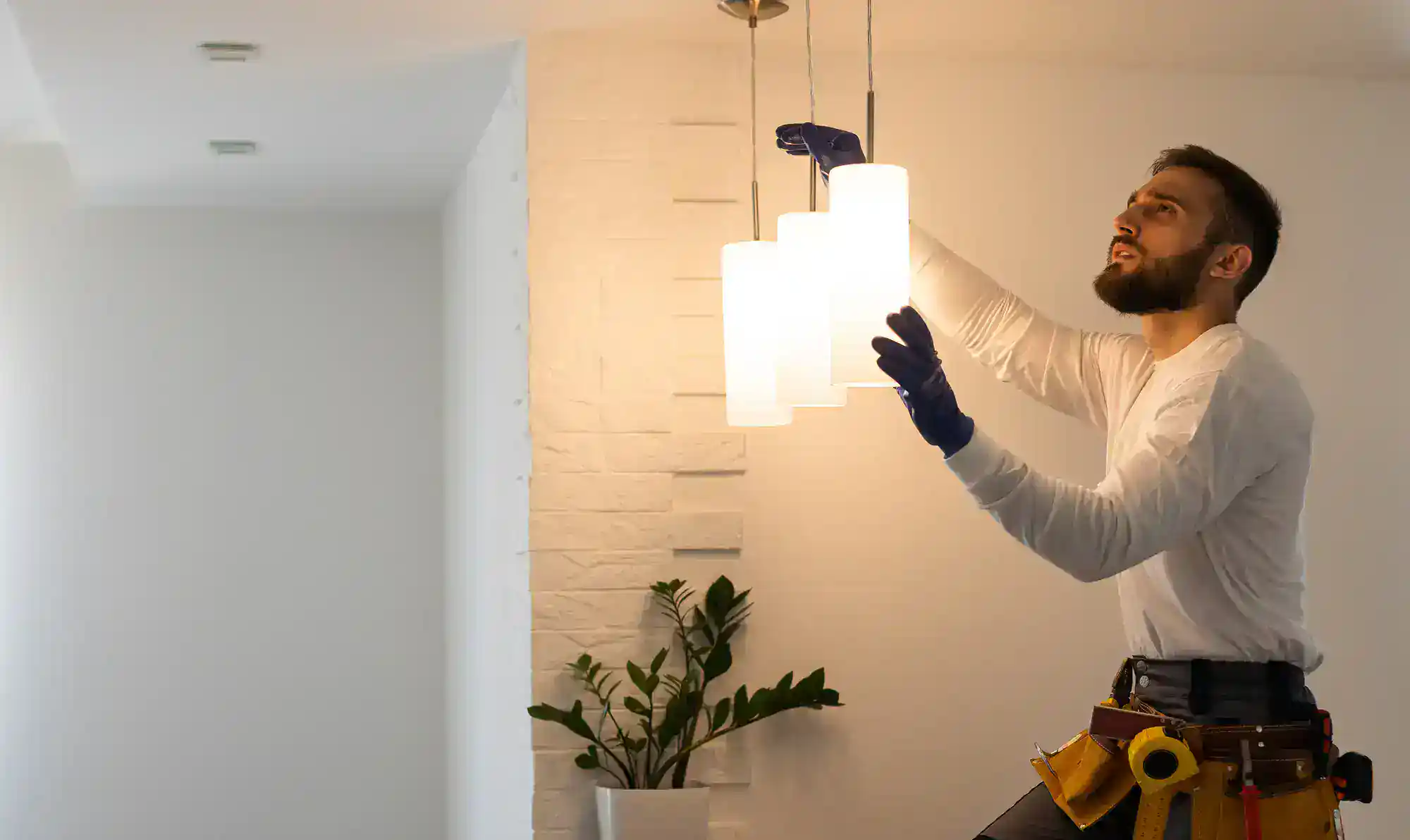
Indoor lighting installation goes far beyond replacing a few bulbs. It’s about creating layers of light that serve different purposes throughout your day. You need ambient lighting for general illumination, task lighting for specific activities like cooking or reading, and accent lighting to highlight architectural features or artwork.
The key is understanding how different rooms demand different approaches. Your kitchen requires bright, even lighting for food preparation, while your bedroom benefits from softer, adjustable lighting that supports relaxation. Living areas work best with multiple light sources you can control independently, letting you shift from bright family time to cozy evening ambiance.
Modern LED technology has revolutionized what’s possible with indoor lighting. You can now install fixtures that last 25 times longer than traditional bulbs while using 75% less energy, dramatically reducing your electricity costs over time.
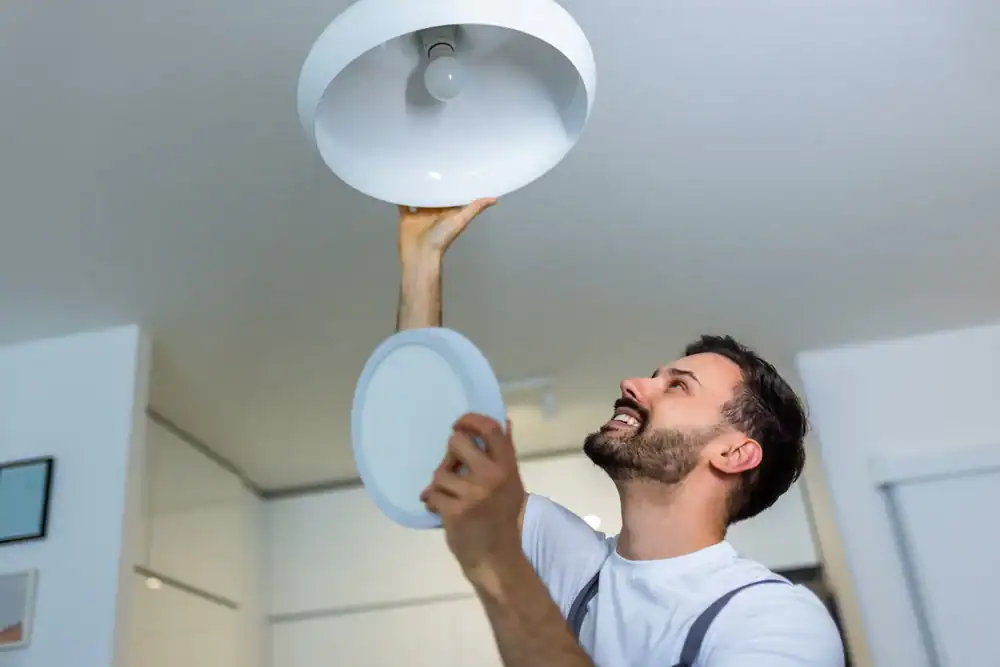
Recessed lighting offers clean, modern illumination that doesn’t compete with your room’s design elements. But placement is everything. Too many fixtures create an institutional feel, while too few leave dark spots that make spaces feel smaller and less welcoming.
The general rule is to space recessed lights about 4 to 6 feet apart, depending on your ceiling height and the room’s purpose. In kitchens, you’ll want fixtures positioned to eliminate shadows on work surfaces. This typically means placing lights 18 to 24 inches from the wall and spacing them to provide even coverage across countertops and islands.
For living areas, consider the furniture layout when planning recessed lighting. You want to avoid placing lights directly over seating areas where they might create glare. Instead, position them to wash walls with light and provide general ambient illumination. Dimmer switches are essential for recessed lighting, giving you control over brightness levels throughout the day.
When installing recessed lighting in existing homes, you’ll need to consider what’s above your ceiling. Insulation, ductwork, and structural elements all impact where fixtures can be placed. This is where professional installation becomes valuable – experienced electricians know how to work around these obstacles while maintaining proper spacing and ensuring all electrical work meets local codes.
The type of recessed fixture matters too. IC-rated fixtures can be installed in direct contact with insulation, while non-IC fixtures require clearance. LED-integrated fixtures offer the longest lifespan and best energy efficiency, though they cost more upfront than fixtures that use replaceable LED bulbs.
LED lighting upgrades represent one of the smartest investments you can make in your Dallas-Fort Worth home. The numbers tell the story: LEDs use up to 90% less energy than traditional incandescent bulbs and can last up to 50,000 hours. For the average household, this translates to savings of about $225 per year on energy costs.
But energy efficiency is just the beginning. LEDs produce very little heat compared to incandescent bulbs, which reduces your cooling costs during Texas summers. They’re also much safer – no risk of burns from hot bulbs or fire hazards from overheating fixtures. This makes them ideal for enclosed fixtures, children’s rooms, and anywhere safety is a priority.
The quality of LED lighting has improved dramatically in recent years. You can now find LEDs in any color temperature you prefer, from warm, cozy light (2700K) that mimics traditional incandescent bulbs to cool, energizing light (5000K) that’s perfect for task lighting. Many LED fixtures now offer tunable white technology, letting you adjust color temperature throughout the day.
Smart LED systems take convenience even further. You can control lights from your smartphone, set schedules, and even sync lighting with music or TV. Motion sensors and daylight harvesting features automatically adjust lighting based on occupancy and natural light levels, maximizing energy savings without any effort on your part.
When upgrading to LEDs, don’t just focus on bulbs. Consider upgrading fixtures too. Modern LED fixtures are designed specifically for LED technology, offering better heat management, more attractive designs, and integrated controls that aren’t possible with retrofitted bulbs in old fixtures.
The upfront cost of LED upgrades might seem high, but most homeowners see payback within two to three years through energy savings. Factor in the reduced maintenance costs – no more frequent bulb changes – and LEDs become an obvious choice for any lighting project.
Outdoor lighting installation serves multiple purposes that go well beyond simple illumination. Well-designed outdoor lighting enhances security by eliminating dark hiding spots around your property, increases safety by lighting pathways and steps, and extends your living space into the evening hours.
The key to successful outdoor lighting is layering different types of fixtures to create a cohesive system. Security lighting focuses on entry points, driveways, and vulnerable areas around your home. Landscape lighting highlights architectural features, mature trees, and garden elements. Path lighting guides movement through your outdoor spaces while accent lighting creates ambiance for entertaining.
Dallas-Fort Worth’s climate presents unique challenges for outdoor lighting. Fixtures need to withstand intense summer heat, occasional severe weather, and the UV exposure that comes with our abundant sunshine. This makes fixture quality and professional installation even more important than in milder climates.

Effective landscape lighting design follows principles that create visual interest while avoiding common mistakes like over-lighting or creating harsh shadows. The goal is to enhance your property’s natural beauty while providing functional illumination for safety and security.
Start with your home’s architecture and work outward. Uplighting can dramatically highlight architectural features like columns, stonework, or interesting rooflines. Wall-mounted fixtures provide both security and aesthetic appeal, especially when chosen to complement your home’s style. Consider the view from inside your home too – outdoor lighting becomes part of your interior ambiance when you look out through windows.
Tree lighting requires special consideration. Large, mature trees can be stunning focal points when properly lit, but the techniques matter. Uplighting from ground-level fixtures creates dramatic shadows and highlights the tree’s structure. Moonlighting, where fixtures are mounted high in the tree to cast light downward, creates a more natural effect that mimics filtered moonlight through branches.
Water features, if you have them, offer opportunities for spectacular lighting effects. Underwater lights in pools or fountains create magical nighttime ambiance. Just remember that any lighting near water requires GFCI protection and fixtures rated for wet locations.
Pathway lighting serves both safety and aesthetic functions. Solar pathway lights have improved significantly in recent years and work well for many applications, though low-voltage LED systems offer more consistent performance and design flexibility. Space pathway lights to provide continuous illumination without creating a runway effect – typically 6 to 8 feet apart for most residential applications.
Color temperature matters in landscape lighting too. Warmer light (2700K-3000K) tends to look more natural and inviting, while cooler light can make plants and hardscaping appear washed out. Stick to consistent color temperatures throughout your landscape design for the most professional appearance.
Security lighting serves as your first line of defense against intruders while providing practical illumination for everyday activities. The most effective security lighting systems combine strategic fixture placement with smart controls that respond to movement and changing conditions.
Motion-activated lights offer the perfect balance of security and energy efficiency. Modern PIR (passive infrared) sensors can distinguish between small animals and human-sized movement, reducing false activations while ensuring reliable detection when needed. LED fixtures with built-in motion sensors are particularly effective because they provide instant full brightness – no warm-up time like older technologies.
Placement is crucial for security lighting effectiveness. Entry points like front doors, back doors, and garage doors should have dedicated lighting that eliminates shadows where someone might hide. Consider the approach paths to these areas too. A motion light that only activates when someone reaches your door isn’t as effective as one that lights up when they enter your property.
Dusk-to-dawn lights provide constant low-level illumination that can deter criminal activity while helping residents navigate safely after dark. These fixtures use photocells to automatically turn on at sunset and off at sunrise, requiring no manual operation or programming. Modern LED dusk-to-dawn fixtures use very little energy, making them practical for continuous operation.
Smart security lighting systems take protection to the next level. These systems can be programmed to simulate occupancy when you’re away, automatically adjust brightness based on ambient light conditions, and send alerts to your smartphone when motion is detected. Some systems integrate with home security cameras and alarm systems for comprehensive protection.
Consider lighting vulnerable areas that aren’t necessarily entry points. Side yards, areas around air conditioning units, and spaces near windows on the ground floor all benefit from security lighting. The goal is to eliminate any area where someone could approach your home undetected.
Timer controls add another layer of security by ensuring lights operate predictably even when motion sensors might not be triggered. This is especially valuable for front porch lights and other fixtures that contribute to your home’s occupied appearance.
Electrical safety should never be compromised when it comes to lighting installation. While some lighting projects might seem straightforward, electrical work carries serious risks that require proper knowledge, tools, and techniques. Understanding when to call professionals and how to maintain your lighting systems safely protects both your family and your investment.
The most important safety rule is knowing your limits. Simple bulb changes and basic maintenance are generally safe for homeowners, but anything involving new wiring, circuit modifications, or complex fixtures requires professional installation. Licensed electricians have the training and tools to handle electrical work safely while ensuring all installations meet local codes and safety standards.
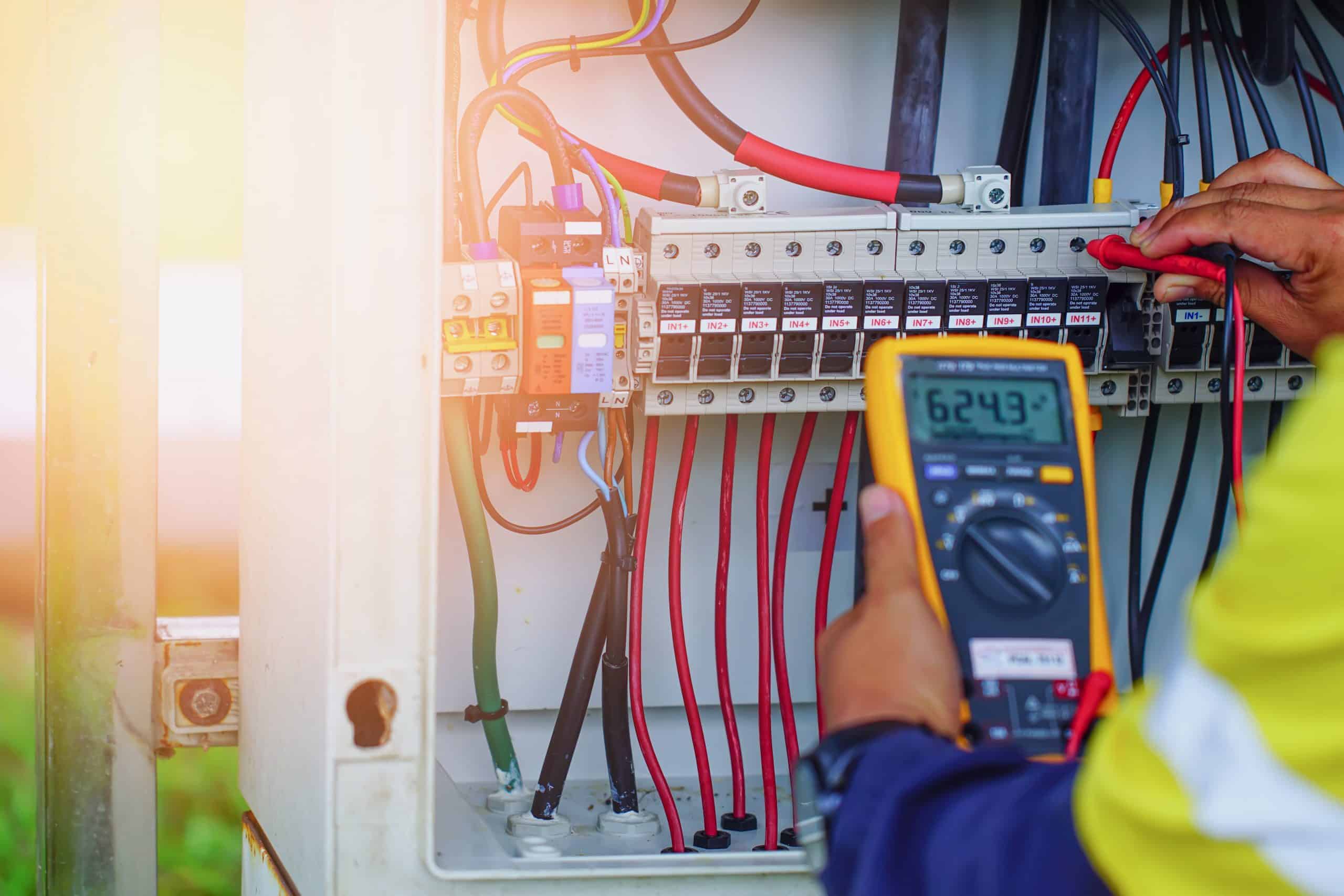
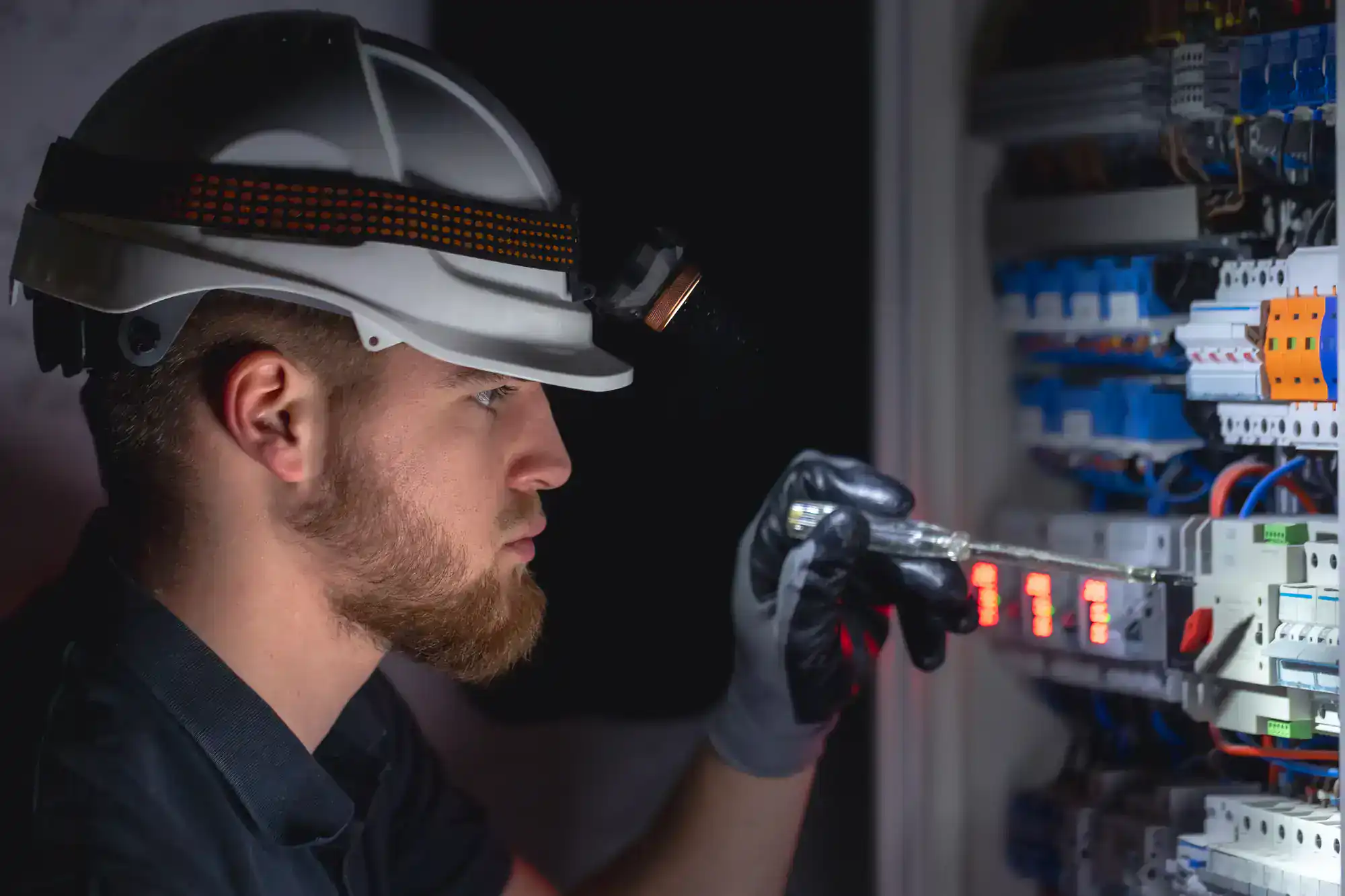
Even basic maintenance requires safety awareness. Always turn off power at the circuit breaker before changing fixtures or performing any electrical work. Use a voltage tester to confirm power is off – never assume a switched-off light means the circuit is dead. When working with outdoor lighting, remember that wet conditions and electricity don’t mix.
We bring over 25 years of experience to every lighting project in the Dallas-Fort Worth area. Our licensed electricians understand local codes, climate challenges, and the specific electrical considerations that make lighting installations both safe and effective in North Texas homes.
Article details:
Share:
Continue learning: