Power outages in North Texas aren't just inconvenient — they can be dangerous. Here's what you need to know about home standby generators before you decide.
Share:

Summary:
If you’ve ever sat in a dark, 90-degree house waiting for the lights to come back on — or worse, watched your freezer full of food slowly thaw during a multi-day outage — you already understand why people invest in a home standby generator. The question isn’t really whether backup power makes sense. It’s whether you’re getting the right system, sized correctly, installed by someone who knows what they’re doing.
This page covers everything you need to make a confident decision: how standby generators work, what the installation process looks like, how they compare to portable units, and what to look for in a qualified installer throughout Tarrant County.
A home standby generator is a permanently installed unit — typically mounted on a concrete pad outside your home — connected directly to your natural gas line and your electrical panel. When the power goes out, an automatic transfer switch detects the interruption and starts the generator within 10 to 30 seconds. You don’t flip a switch. You don’t go outside. It just comes on.
That automatic response is the defining feature. The generator runs until utility power is restored, then shuts itself off and transfers the load back to the grid — again, without any action from you. Most modern units also run a brief self-test once a week to confirm everything is working, so you’re not left guessing when a storm rolls through.

When people talk about a “standby generator,” they’re really talking about a system — not just a single piece of equipment. Understanding what’s involved helps you ask better questions and avoid surprises during the installation process.
The generator unit itself is the engine and alternator housed in a weather-rated enclosure. It’s sized in kilowatts, and for most homes in Tarrant County, the right range falls somewhere between 10 kW and 22 kW depending on what you need to power. That range covers central air conditioning, refrigerators, lighting, outlets, and critical appliances — the things that actually matter during a Texas summer or a winter ice event.
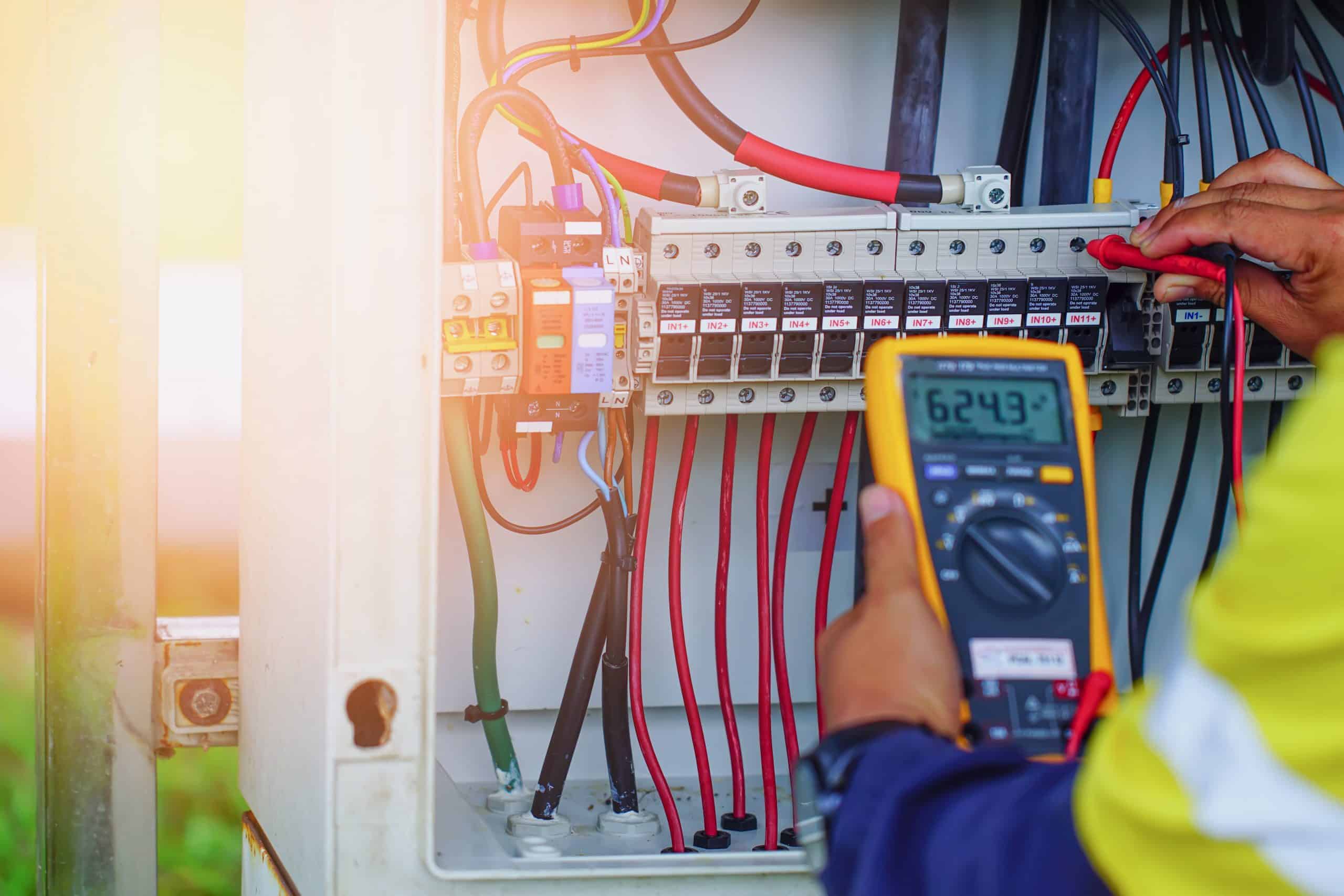
The automatic transfer switch (ATS) is what connects the generator to your home’s electrical panel. It’s not optional — it’s both a code requirement and a safety necessity. Without one, power can backfeed onto utility lines and endanger the workers trying to restore your service. A properly installed ATS monitors the grid, detects an outage, and manages the switchover automatically.
Then there’s the fuel connection. Most homes in Tarrant County already have natural gas service, which is the ideal fuel for a standby generator. Unlike propane — which requires a storage tank and periodic refills — natural gas comes straight from the line. There’s no running out, no refueling in the middle of a storm, and no storage logistics to manage. During Winter Storm Uri in February 2021, natural gas service continued in many areas where electrical power failed completely. That’s not a small detail.
Finally, there’s the concrete pad the unit sits on, the gas line connection, any electrical panel work needed to support the new load, and the permitting process — which in Tarrant County requires both an electrical permit and a gas permit. A complete installation accounts for all of it.
This comparison comes up constantly, and it’s worth being direct about it. A portable generator is a temporary solution. It requires you to drag it out, set it up, run extension cords, refuel it every eight hours, and keep it far enough from the house to avoid carbon monoxide risk. It cannot power your central air conditioning. And it only works if someone is home and physically able to operate it.
A standby generator eliminates every one of those problems. It’s already there. It starts itself. It runs on natural gas, so there’s no fuel to manage. And it can power your whole house — including the HVAC system that makes a 105°F Fort Worth afternoon survivable.
Consumer Reports’ generator testing shows that standby generators outperform all other types in their ratings, and that if you can afford one, it’s the clear choice. The price difference is real — a whole-house standby system installed in the Tarrant County area typically runs between $5,000 and $18,000 depending on size and complexity — but so is the difference in what you actually get.
For families with medical equipment, young children, elderly relatives, or anyone who works from home and can’t afford to lose a day’s productivity, the math tends to be straightforward. One major outage — burst pipes, spoiled medication, hotel stays, lost work — can easily cost more than the generator itself. And in North Texas, those outages aren’t hypothetical. They happen.
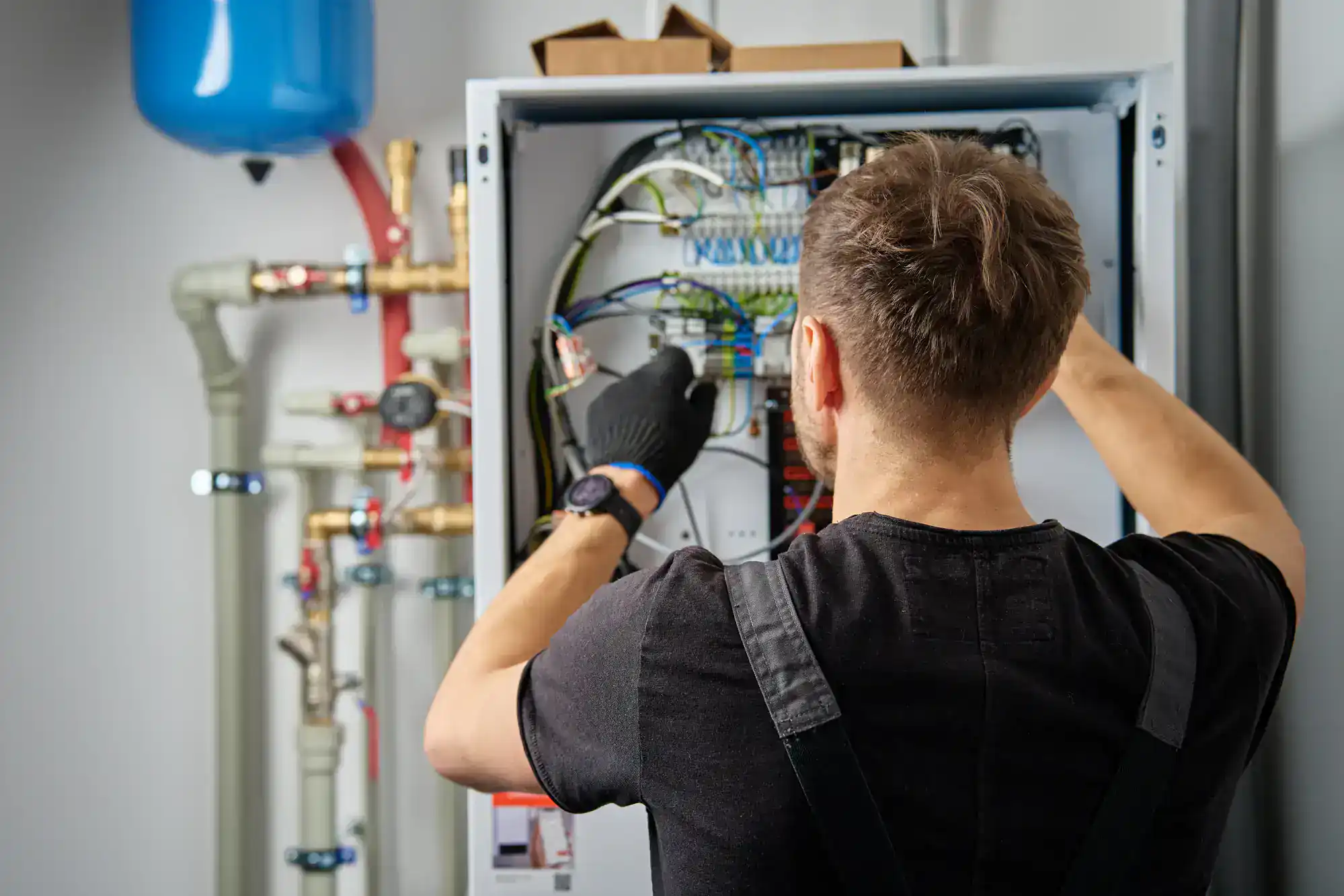
Installing a whole house backup generator is not a weekend project, and it’s not something a generator dealer alone can fully handle. It requires a licensed electrician to manage the electrical integration, a proper gas line connection, permits from the county, and a startup certification before the job is considered done.
The full timeline from initial consultation to a working system is typically two to four weeks — accounting for permit processing, equipment delivery, and scheduling. The actual installation work takes one to two days once it begins. Knowing that upfront saves a lot of frustration.
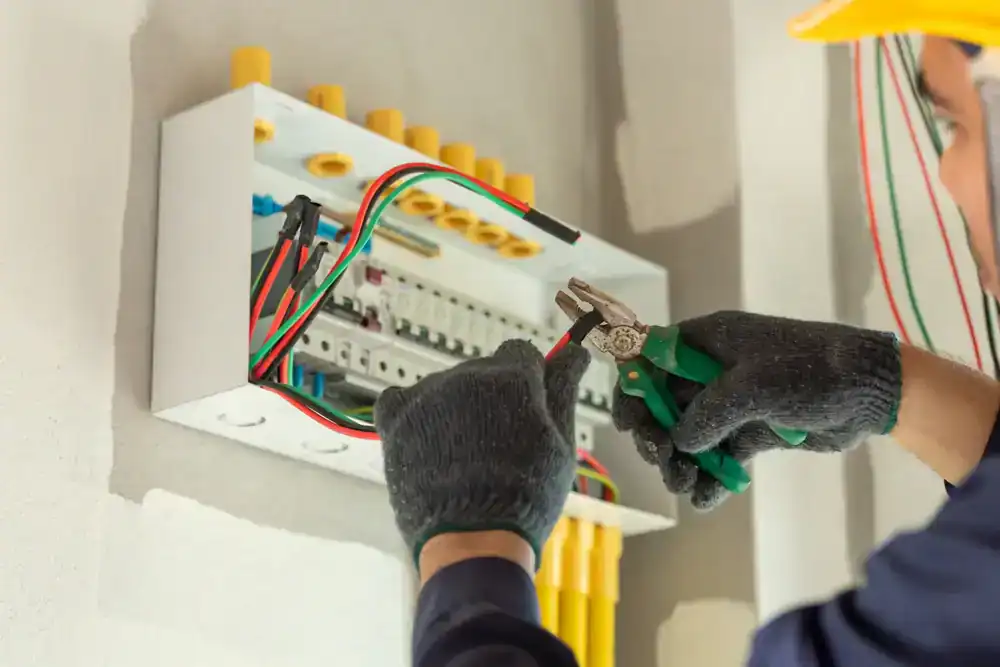
Sizing a standby generator is not guesswork, and it’s not based on square footage alone. The right approach starts with a load calculation — measuring your panel’s capacity, identifying the circuits you need to power, and accounting for the startup demands of motors and compressors, which draw significantly more power when they first kick on than they do once running.
An air conditioner compressor, for example, can draw two to three times its running wattage at startup. If that’s not factored in, a generator that looks right on paper can trip under load at exactly the wrong moment. That’s a common outcome when sizing is done carelessly.
Oversizing creates its own problems. A generator that’s too large for your home runs less efficiently, costs more to operate, and may short-cycle in ways that reduce its lifespan. The goal is a system that matches your actual needs — not the most expensive option on the shelf.
For most Tarrant County homes, a 10 kW to 22 kW unit covers the essentials: HVAC, refrigeration, lighting, and outlets throughout the house. Larger homes with multiple HVAC zones or high electrical demand may need more. Homes that only want to protect essential circuits — refrigerator, a few lights, medical equipment — can often do that with a smaller, more affordable system. The consultation is where that determination gets made, and it should always include a real load calculation, not an estimate based on bedroom count.
Older homes in Fort Worth — particularly those built before 2000 in neighborhoods like Historic Southside, Ryan Place, or Fairmount — often have 100-amp electrical panels that need upgrading before a whole-house generator can be properly integrated. That’s not a dealbreaker, but it does need to be identified early. We handle both the panel upgrade and the generator installation as a single project, which is simpler and typically more cost-effective than coordinating two separate contractors.
A standby generator that isn’t maintained is a liability, not an asset. The whole point of the system is that it performs automatically when you need it — and that reliability doesn’t happen by accident. It requires consistent upkeep.
Most modern standby generators run a brief self-test once a week. The unit starts, runs for a few minutes, and shuts down — confirming that the engine, battery, and transfer switch are all functioning. You’ll typically hear it from inside the house. That weekly test is a baseline health check, not a substitute for professional maintenance.
Annual service by a licensed technician covers the things the self-test can’t: oil and filter changes, air filter inspection, battery load testing, spark plug checks, transfer switch operation, and a full system review. Skipping annual maintenance is one of the most common reasons generators fail to start during an actual outage.
For homeowners in Tarrant County, the timing of that annual service matters. We recommend scheduling it in late winter or early spring — before storm season gets underway — so your system is fully serviced before the period of highest demand. Summer heat waves, spring tornadoes, and the occasional severe ice event are all real possibilities here, and none of them give you advance notice.
One more thing worth knowing: a standby generator can run continuously for extended periods on natural gas, but extended operation does accelerate wear on certain components. If you’re running the system for days at a time — as many Tarrant County homeowners did during Uri — a post-event inspection is a reasonable step to confirm everything is still in good shape before the next demand cycle arrives.
The generator itself is only part of the equation. Who installs it — and how — determines whether it actually works when a storm knocks out power at 2 a.m. in August. You want a licensed electrician who understands load calculations, pulls the required permits, handles the gas connection, and doesn’t hand you a finished system without a proper startup certification.
We’ve been installing standby generators throughout Tarrant County and the DFW area for over 25 years. We’ve upgraded panels in pre-2000 Fort Worth homes, installed generators across the county from Keller to Mansfield, and handled every part of the process in-house — no subcontracting, no coordination headaches, no surprises on the final invoice. Our A+ BBB rating and multiple Angi Super Service Awards reflect what that kind of consistency looks like over time.
If you’re ready to stop hoping the power stays on and start knowing your home is covered, reach out for a free consultation and we’ll walk through exactly what your home needs.
Article details:
Share:
Continue learning: