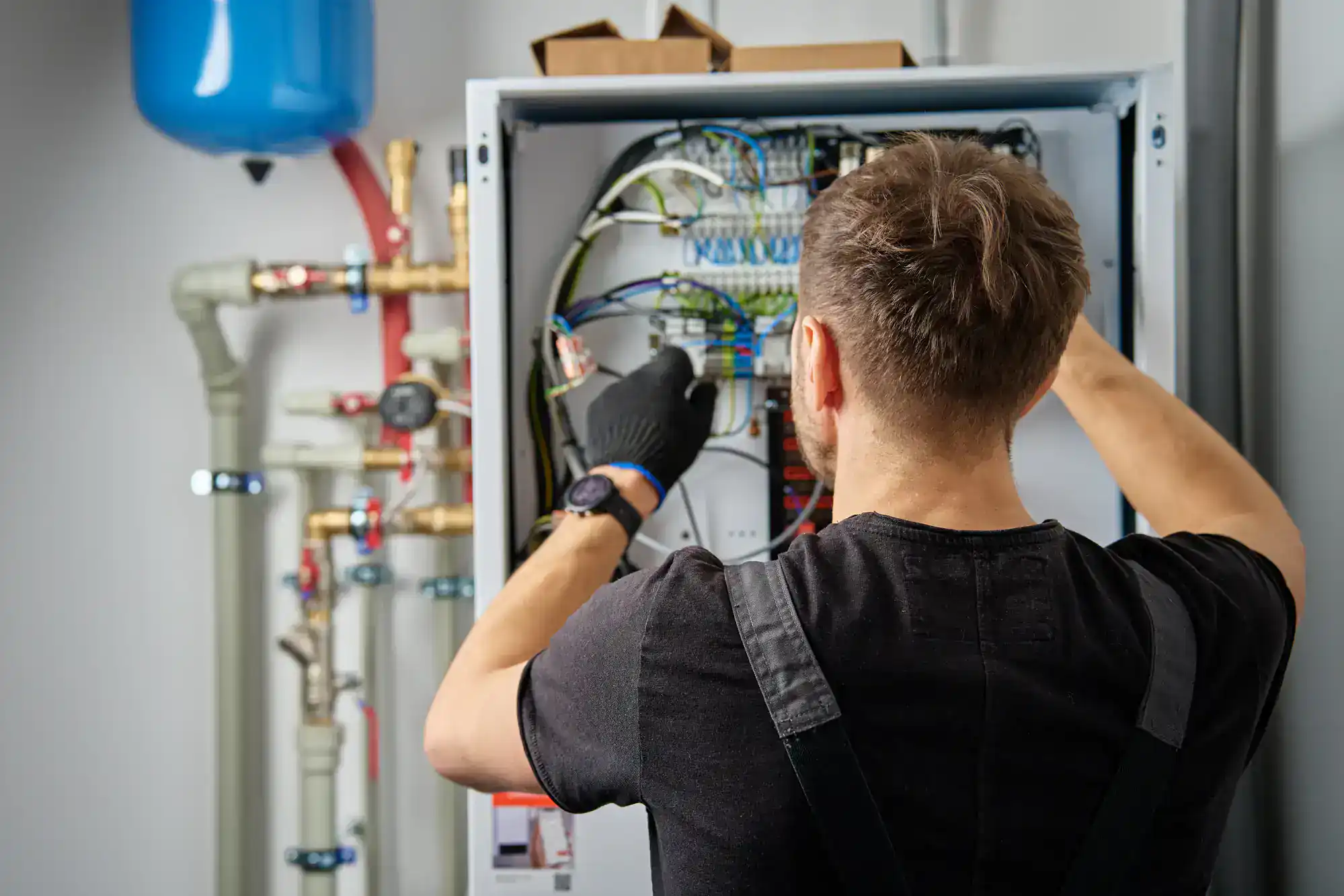
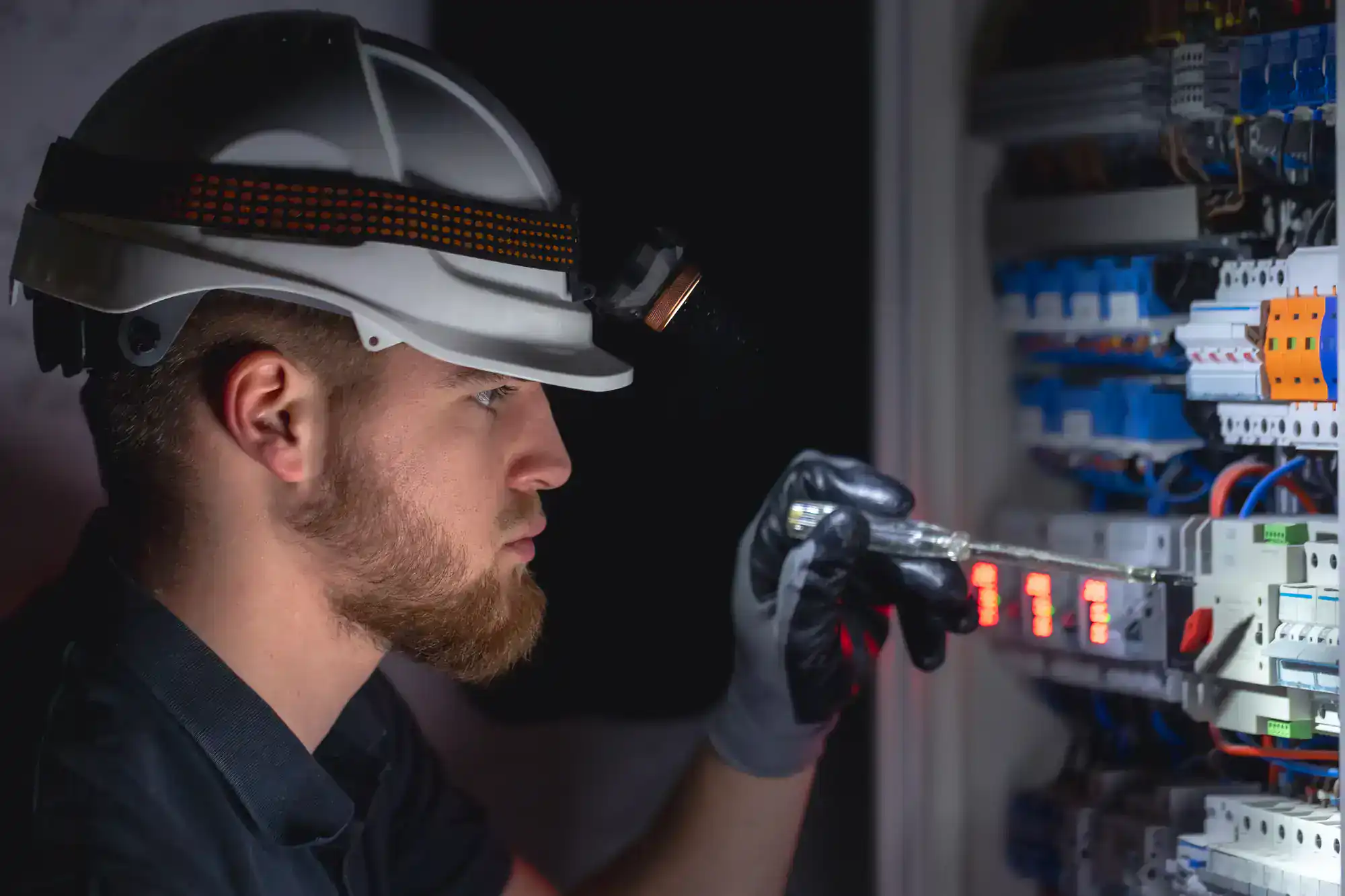
Not sure if your home's electrical system needs a professional look? Here's what an inspection actually covers — and when it matters most.
Share:

Summary:
Most electrical problems don’t announce themselves. There’s no warning light, no obvious sign — just a system quietly working harder than it should, until one day it isn’t. For homeowners in Tarrant County, that’s not a hypothetical. Between aging housing stock, brutal summer heat, and more lightning exposure than almost anywhere else in the country, the conditions here put real strain on residential electrical systems. This guide breaks down what a home electrical inspection actually covers, how the process works, what it typically costs, and what local homeowners should be paying attention to right now.
An electrical safety inspection is a systematic evaluation of your home’s wiring, panel, outlets, grounding, and connected systems — performed by a licensed electrician, not a general home inspector. The distinction matters more than most people realize. A home inspector does a visual walkthrough and checks for obvious red flags. A licensed electrician uses diagnostic tools, opens the panel, tests circuits, and assesses code compliance across the entire system.
The goal isn’t just to find problems. It’s to give you an accurate picture of where your system stands — what’s safe, what’s marginal, and what genuinely needs attention before it becomes expensive or dangerous.
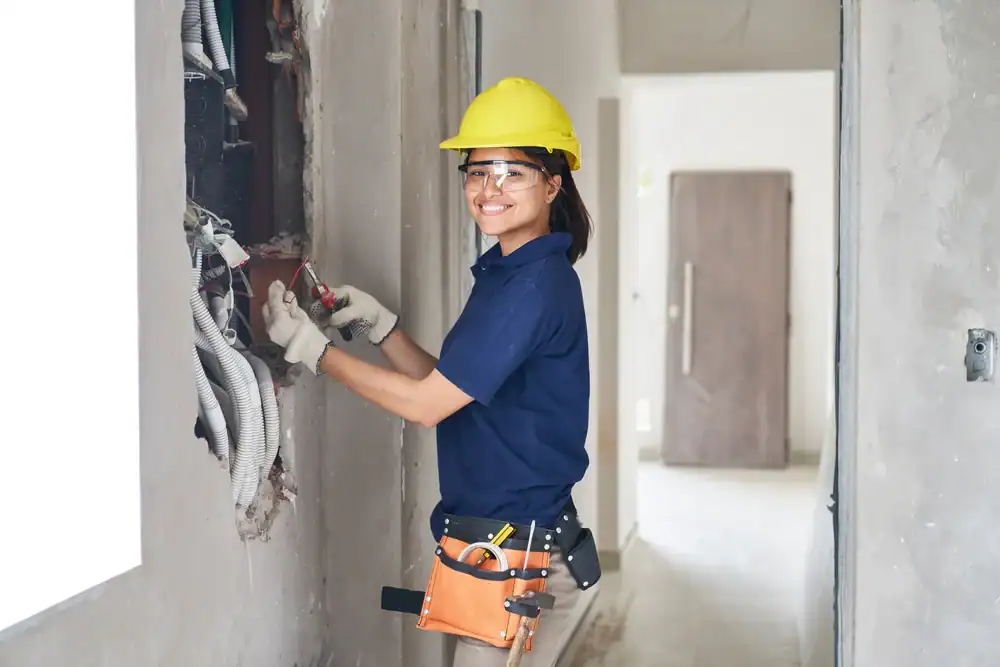
A thorough residential electrical safety check covers more ground than most homeowners expect. It starts at the service entrance — where power comes into the home — and works inward from there.
At the panel, we check for double-tapped breakers, improper breaker sizing, signs of overheating or corrosion, and whether the panel has enough capacity for the home’s current electrical load. This last point is especially relevant in Tarrant County, where a lot of homes were built with 100-amp panels that were standard in the 1980s but weren’t designed to power multiple AC units, EV chargers, and modern kitchen appliances simultaneously.
From there, the inspection moves to wiring type and condition. Homes built before 1972 are a particular concern — aluminum branch-circuit wiring was common during that era, and research has shown those connections are significantly more likely to reach fire hazard conditions than copper wiring. It’s not that aluminum wiring is automatically dangerous, but it requires specific handling and periodic inspection to stay safe.
Outlets and switches get tested for proper grounding, correct polarity, and GFCI protection in the required locations — kitchens, bathrooms, garages, and outdoor areas. Lighting fixtures, HVAC electrical connections, and smoke detector placement are also part of the checklist. So is the grounding system itself, which is one of those things that’s easy to overlook but critical to how safely the whole system behaves during a fault or surge event.
The inspection wraps up with a code compliance review — comparing what’s in place against current NEC requirements and any local code amendments that apply in Tarrant County. The findings get documented so you have a clear record of the system’s condition, which matters both for your own awareness and for insurance purposes.
The general industry guidance is every three to five years for residential properties. That’s the baseline. But there are a handful of situations where you shouldn’t wait for the next scheduled interval.
If you’re buying or selling a home, an electrical inspection before closing is worth every dollar. A standard home inspection won’t catch what a licensed electrician will, and discovering a panel issue or aluminum wiring problem after you’ve closed is a significantly more expensive conversation. Sellers in Tarrant County who get ahead of it often avoid last-minute renegotiations or repair demands.
If your home has been through a major weather event — and in North Texas, that’s not a rare occurrence — an inspection makes sense even if nothing seems obviously wrong. Texas sees more than 27 million lightning events annually, more than any other state, and a nearby strike can degrade wiring insulation and surge protection components in ways that don’t show up until later. The 2021 winter storm is another example: the freeze-thaw cycle put stress on conduit connections and equipment that many homeowners in the region still haven’t had evaluated.
If you’re planning to add something significant — an EV charger, a hot tub, a generator, a major kitchen remodel — an inspection first tells you whether your current panel can actually support it. Going into that kind of project without knowing your system’s capacity is how you end up mid-project with an unexpected panel upgrade on your hands.
And if your home is 25 years old or older and hasn’t been inspected by a licensed electrician in recent memory, that alone is reason enough. A lot can change in 25 years — loads increase, connections loosen, insulation degrades. The system that was adequate in 1995 may not be adequate for how you’re living in it today.
There’s a meaningful difference between hiring a licensed electrician for an inspection and calling whoever’s available. In Texas, electrical contractor licensing is regulated by the Texas Department of Licensing and Regulation — any contractor doing major electrical work is required to hold a valid TECL number. That’s not a formality. It’s what ensures the person assessing your home actually knows the code, can pull permits when needed, and is accountable to a regulatory body if something goes wrong.
When you schedule an inspection with us, we show up when we say we will, work through the system methodically, and explain what we find in plain English — not in a way that’s designed to alarm you, but in a way that actually helps you make informed decisions about your home.

Nationally, most homeowners pay somewhere between $100 and $400 for a residential electrical inspection, with $150 being a commonly cited average. The actual number depends on the size of the home, its age, and what the inspection involves — a newer home with a modern panel is a simpler evaluation than a 1970s home with an original panel and two-prong outlets throughout.
For Tarrant County homeowners, the more useful way to think about inspection cost is relative to what it’s protecting against. The average house fire caused by electrical failure results in $30,000 to $50,000 in property damage. Home electrical fires account for an estimated 51,000 fires nationwide each year. An inspection that catches a failing breaker, an overloaded circuit, or deteriorating wiring before it becomes a problem is one of the more straightforward financial decisions a homeowner can make.
Our current service call fee is $75 — that’s 50% off our standard rate — which makes it easier to get a professional set of eyes on your system without a large upfront commitment. We use transparent, upfront pricing, so there are no surprises when the work is done. If the inspection identifies something that needs repair, all follow-up work is warrantied on both parts and labor.
We hold Texas Electrical Contractor License TECL 25420, which is publicly verifiable through TDLR. That’s the difference between a contractor who’s accountable and one who isn’t.
We’ve been doing this work in the DFW area for over 25 years, and Tarrant County has its own set of characteristics that show up consistently in what we find during inspections.
A significant portion of the county’s housing stock was built between the 1960s and the 1990s. That era produced a lot of 100-amp panels that were perfectly adequate at the time and are now being asked to do far more than they were designed for. It also produced homes with Federal Pacific Stab-Lok panels — a brand with documented reliability issues that insurance companies increasingly flag — and, in homes built before 1972, aluminum branch-circuit wiring that requires specific attention to stay safe under modern loads.
The climate adds another layer. North Texas summers are long and punishing, and running central AC at full capacity for months at a time puts sustained stress on panels, breakers, and wiring. When a breaker is marginal, a Texas summer is often what finally pushes it past its limit. Add in the lightning exposure — the DFW Metroplex sits squarely in what meteorologists call Lightning Alley — and you have a region where whole-house surge protection isn’t optional, it’s just sensible.
Foundation movement is another local factor that doesn’t come up in national guides. North Texas clay soil expands and contracts significantly with moisture changes, and that movement can stress electrical conduit and connections inside the walls in ways that are invisible until something fails.
We’re based in Keller and serve homeowners throughout Tarrant County — Fort Worth, North Richland Hills, Arlington, Mansfield, Hurst, Bedford, Euless, Grapevine, Southlake, Colleyville, Haltom City, and the surrounding Mid-Cities area. When we walk into a home in this part of Texas, we’re not guessing at what we might find. We’ve seen it before, usually many times.
An electrical inspection isn’t something most people think about until they have a reason to. But the homeowners who benefit most from one are usually the ones who got ahead of it — before the panel started tripping, before the storm damage showed up in the wiring, before a home sale turned into a negotiation over electrical repairs.
If your home is more than 25 years old, you’re planning a major addition, you’ve been through a significant weather event, or you simply can’t remember the last time a licensed electrician looked at your system, that’s enough reason to schedule one.
Carroll Service Co has been serving Tarrant County homeowners for over 25 years. We’re licensed, we’re local, and we’ll tell you exactly what we find — no pressure, no upsell, just a clear picture of where your system stands and what, if anything, needs to happen next. Reach out to us directly to get on the schedule.
Article details:
Share:
Continue learning: