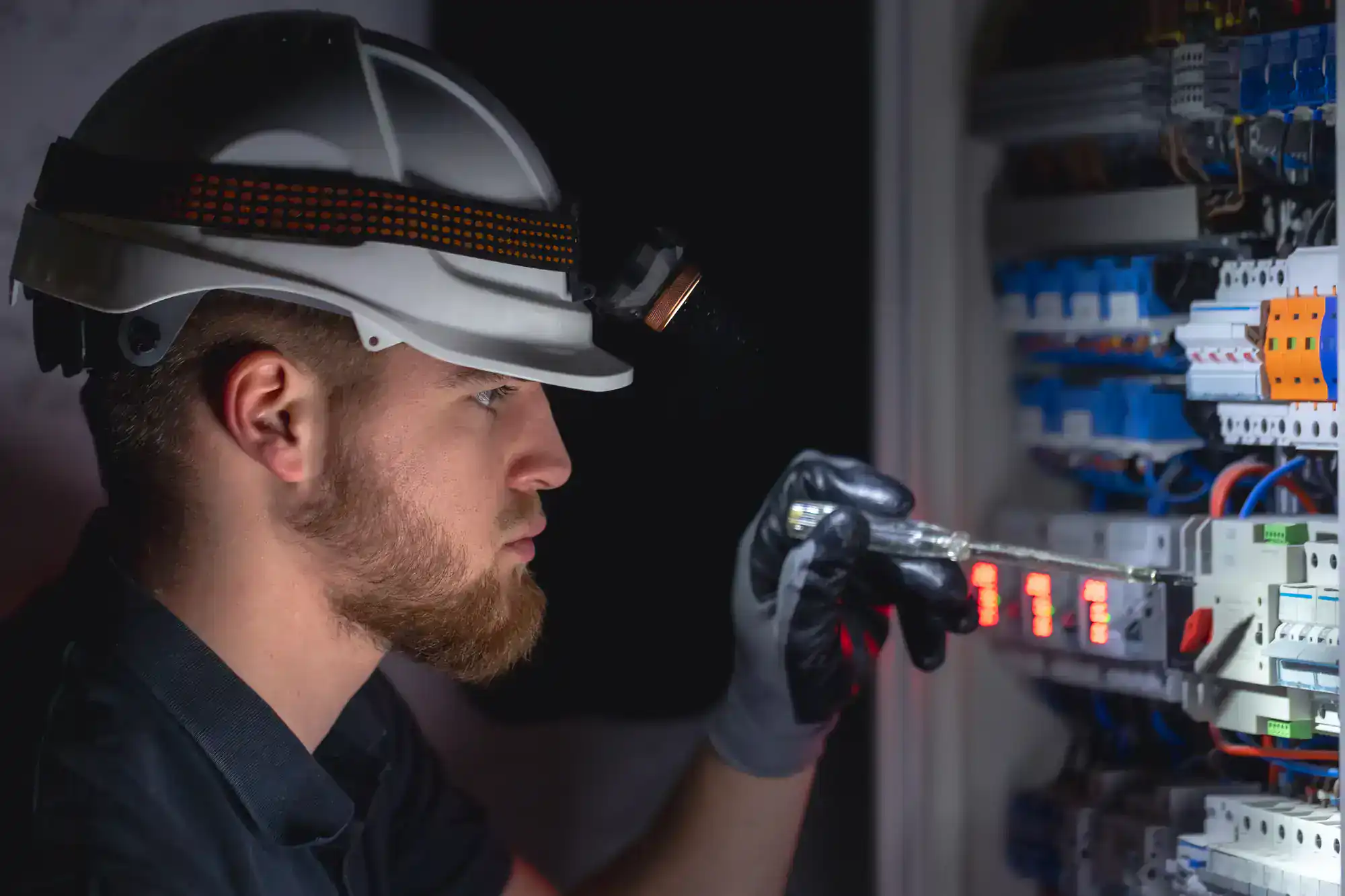
Installing an EV charger in Keller or across Tarrant County involves more than wiring — permits, HOA approvals, and local code all come into play before a single outlet goes in.
Share:
Summary:
You bought the EV. Maybe you’ve been charging on the garage outlet for a few weeks, watching the percentage creep up overnight, and you’re already tired of it. A Level 2 charger makes sense — you just need someone to install it. Simple enough, right?
Not quite. In Tarrant County, EV charger installation involves a permit process, a panel assessment, and — if you live in one of the area’s many HOA-governed neighborhoods — a board approval step that most contractors won’t even mention. This guide covers what the process actually looks like, what it costs, and what can go wrong if you skip the compliance side of it.
The short version: you need a licensed electrical contractor, a dedicated 240V circuit, and a permit from your city’s building inspections office before work begins. In Keller, that means the Building Inspections division at 1100 Bear Creek Parkway. For other Tarrant County cities, the process is similar — different office, same underlying requirements.
What most homeowners don’t realize is that the permit isn’t just a formality. It triggers an inspection, which means a city inspector will verify the installation meets the National Electrical Code before the job is considered complete. That’s actually a good thing. It protects you at resale, keeps your homeowner’s insurance intact, and ensures the work was done correctly — not just quickly.
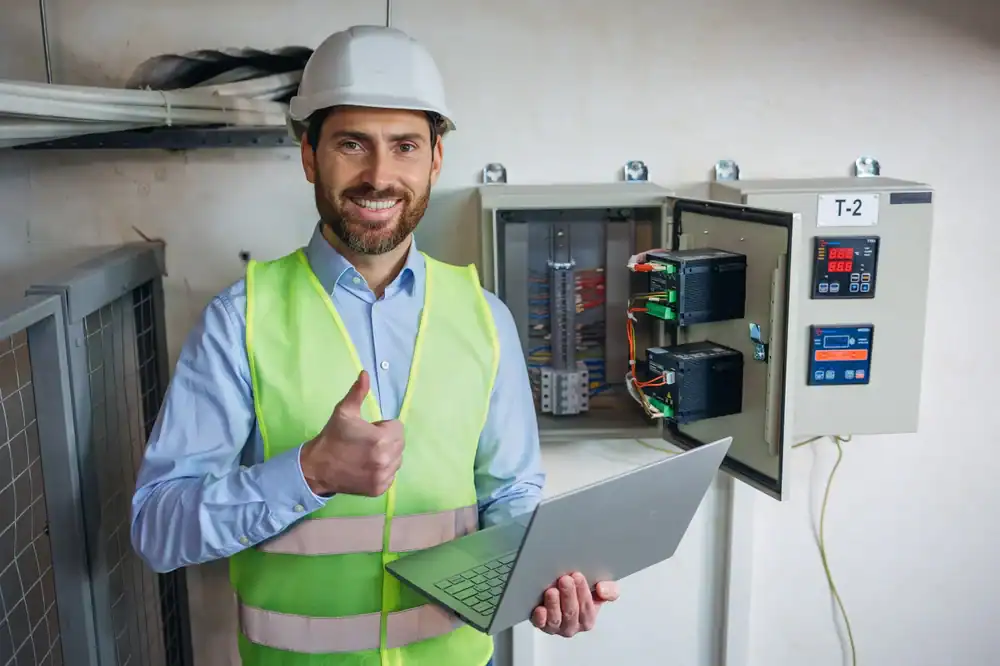
A proper EV charger installation starts before anyone touches a wire. The first step is a load calculation — an assessment of your electrical panel to determine whether it has the capacity to support a new dedicated circuit. Most homes in Tarrant County built in the 2000s and 2010s came with 200-amp service panels, which typically have enough headroom. But “typically” isn’t a guarantee.
If your home is running a full smart home setup, multiple HVAC zones, a large kitchen, and now an EV charger, a load calculation tells you where you actually stand.
From there, a licensed electrician runs a dedicated 240V branch circuit from your panel to the charger location. This is a hard requirement under NEC 625.40 — the section of the National Electrical Code that governs EV charger installations specifically. You cannot legally repurpose an existing dryer outlet or share a circuit with another appliance. It has to be its own dedicated line.
Once the circuit is in place and the charger is mounted, the permit inspection happens. An inspector from the city verifies the work, signs off, and the job is officially complete. The whole installation — from panel assessment to final inspection — typically takes a few days when you factor in permit approval timelines.
One thing worth knowing: if your charger is going on an exterior wall, a detached garage, or anywhere exposed to the elements, the installation requires weatherproofed conduit and outdoor-rated equipment. Texas summers regularly push past 100°F, and equipment that isn’t rated for that kind of heat exposure won’t last. That’s an additional cost consideration, but it’s not optional.
Here’s something a lot of Tarrant County homeowners don’t find out until they’re already mid-process: Texas does not have a statewide right-to-charge law. In states like California and Colorado, HOAs are legally prohibited from blocking EV charger installations. Texas has no such protection. If you live in an HOA-governed neighborhood — and a significant portion of homes across Tarrant County do — your board has the legal authority to approve or deny your request.
That doesn’t mean you’re stuck. It means the process has an extra step, and that step needs to happen before you apply for a permit. Most HOA boards in Tarrant County require a board approval letter, a load study or electrical assessment, and proof that your contractor is licensed and insured before they’ll sign off. Some also want documentation showing the charger equipment is UL-listed and that the installation will be code-compliant. Once you have that approval in writing, you can move forward with the city permit.
The risk of skipping this step is real. We’ve seen situations where a homeowner had a permit pulled, work completed, and a passing inspection — and then received an HOA violation notice because the board was never consulted. In some cases that means a costly modification or removal. It’s an entirely preventable problem, but only if you know to address it upfront.
Working with a contractor who understands the Tarrant County HOA landscape — who knows what documentation boards typically ask for and how to put together a compliant submission — makes this part of the process much smoother. It’s one of the reasons local experience matters here in a way it simply doesn’t in other markets.
The number you’ll see most often online is somewhere between $800 and $2,500. That’s the national range, and it’s not wrong — but it doesn’t tell you much about what you’ll actually pay in Tarrant County once permits, equipment, and any panel work are factored in.
For most homes in this area, a complete Level 2 EV charger installation — including the charging station, electrical work, permits, and labor — runs between $1,000 and $2,000. That’s an all-in number, not a labor-only quote. If a quote you’ve received is significantly lower, it’s worth asking exactly what’s included and whether permit fees are part of it.

The $1,000–$2,000 range assumes a reasonably straightforward installation: a home with an accessible 200-amp panel, an indoor garage, and enough existing capacity to support a new dedicated circuit without major modifications. When those conditions aren’t all present, costs can climb.
Panel upgrades are the most common variable. If your panel is at or near capacity, or if it’s an older system that needs to be brought up to current code before a new circuit can be added, that’s a separate scope of work. Depending on what’s needed, panel work can add anywhere from several hundred dollars to significantly more. This is why a load calculation before the installation quote matters — it surfaces this potential cost before work begins, not after.
Outdoor installations add cost too. Running conduit along an exterior wall, through a garage ceiling, or underground to a detached structure requires additional materials and labor. If you have a detached garage and the charger needs to go there, trenching between the main structure and the garage is often required. That’s a real cost that generic online estimates rarely account for.
There’s also the permit fee itself. In most Tarrant County cities, electrical permits for EV charger installations run between $50 and $300 depending on the scope of work and the specific municipality. It’s not a large number, but it’s part of the total — and it should be included in any complete quote you receive.
One more thing worth mentioning: there’s a federal tax credit available for home EV charger installations. The 30C credit covers 30% of equipment and installation costs, up to a $1,000 cap, and is filed via IRS Form 8911. Eligibility rules can change, so it’s worth verifying with a tax professional, but for many Tarrant County homeowners, it meaningfully reduces the net cost of the project.
Price shopping for EV charger installation is reasonable. But the quotes you compare need to be covering the same scope of work — and often, they aren’t.
A quote that covers only labor and wiring is a very different thing from a quote that includes the charger unit, permit fees, a panel assessment, and all inspections. The gap between those two numbers can be several hundred dollars, and if you don’t ask the right questions upfront, you won’t find out until the job is already in progress and the add-ons start appearing.
There’s also the question of permit compliance. Some contractors will offer to skip the permit — framing it as a way to save time and money. It does save time. But an unpermitted electrical installation can flag during a home inspection when you sell, may void your homeowner’s insurance coverage for any EV-related electrical incident, and creates a code violation that becomes your problem to resolve. The permit process exists for a reason, and a contractor who suggests bypassing it is passing that risk on to you.
The other variable that rarely shows up in low quotes is equipment quality. UL-listed charger hardware and commercial-grade wiring are the standard for a compliant, safe installation. Non-UL-listed equipment is a documented fire risk — particularly in Texas heat — and using it can affect your insurance coverage. We use UL-listed materials and commercial-grade wiring on every job, not because it’s required for the quote to look competitive, but because it’s what a job done right actually requires.
When you’re comparing quotes, ask each contractor directly: Does this include the permit? Does it include the charger unit? What happens if the panel needs work — is that a separate quote? Those three questions will tell you a lot about what you’re actually comparing.
EV charger installation in Tarrant County isn’t complicated — but it does have more moving parts than most contractors acknowledge. The permit, the panel assessment, the HOA approval process, the inspection — each one matters, and each one is easier when you’re working with someone who has done it in this specific market, not just somewhere in the general DFW area.
We’ve been doing electrical work in Tarrant County since the late 1990s. We know the permit offices, we understand the HOA landscape in neighborhoods across the region, and we handle the compliance side of every installation from start to finish — permits, inspections, and everything in between.
If you’re ready to move forward or just want a straight answer about what your specific home will need, Carroll Service Co is a call or message away.
Article details:
Share:
Continue learning: