Home Electrical Safety Inspection Lake Dallas

Your Family Deserves Electrical Safety That Works

When your electrical system fails, it’s not just inconvenient—it’s dangerous. Get the thorough home electrical safety inspection in Lake Dallas that spots problems before they become fires.
Electrical boxes with exposed wires are installed on unfinished wooden wall studs inside a house under construction in TX. Sunlight enters through windows, illuminating the building framework where an electrician Dallas and Fort Worth trusts is at work.

Hear from Our Customers

An electrician in Dallas and Fort Worth, TX, wearing protective gloves, uses a screwdriver to work on an electrical panel with multiple wires and circuit breakers.

Electrical Safety Check Lake Dallas TX

Sleep Better Knowing Your Home Is Safe
You’ll know exactly what’s happening behind your walls. No more wondering if that flickering light means trouble, or if your electrical panel can handle another Texas summer of non-stop air conditioning.Your home electrical system inspection reveals the hidden issues that cause fires and expensive emergency repairs. You get a detailed report showing exactly what works, what doesn’t, and what needs attention before it becomes a problem.Most Lake Dallas homeowners discover at least three safety issues they never knew existed. The peace of mind alone is worth it—but the money you’ll save by catching problems early makes this one of the smartest investments you can make.

Licensed Electricians Lake Dallas TX

25 Years of Keeping Families Safe
We’ve been protecting Lake Dallas families since before most electrical contractors even existed. Twenty-five years of experience means we’ve seen every type of electrical problem this area throws at homes.We’re not just licensed and insured—we’re A+ rated by the Better Business Bureau and have earned multiple Super Service Awards. When your neighbors need electrical work done right the first time, they call us.Lake Dallas homes face unique challenges. The clay soil shifts, storms knock out power, and summer heat pushes electrical systems to their limits. We know exactly what to look for because we’ve been fixing these exact problems for decades.
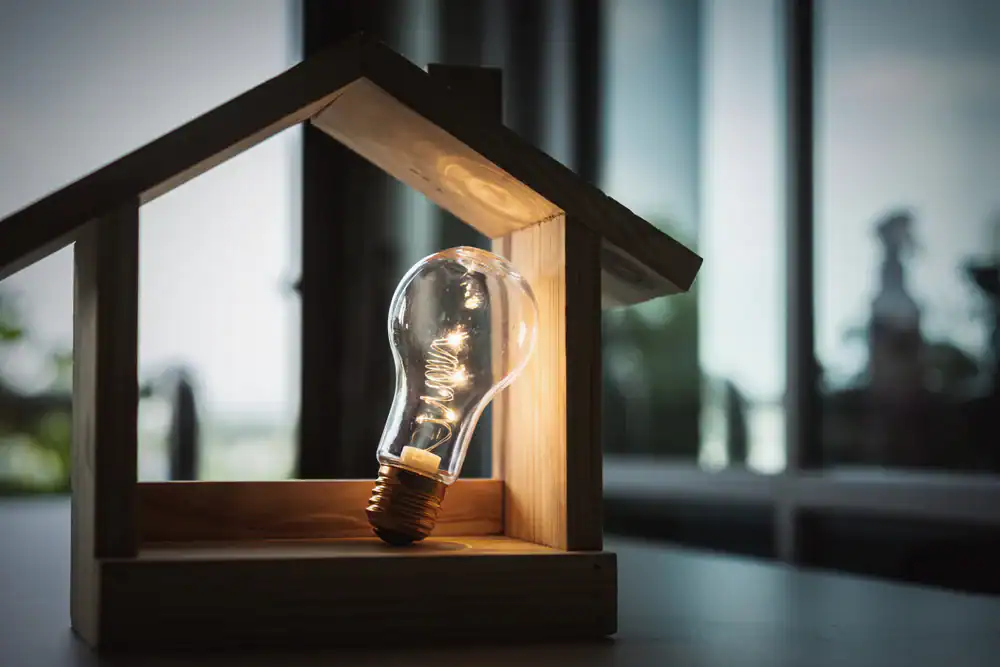
A glowing light bulb sits inside a small wooden house-shaped frame, symbolizing the bright solutions provided by an electrician Dallas and Fort Worth, TX, with blurred windows and outdoor scenery visible in the background.

Home Electrical System Inspection Process

Here's Exactly What Happens During Your Inspection
Our electrician arrives on time and starts with your main electrical panel. We check every breaker, look for loose connections, and test the grounding system. This is where most serious problems hide.Next, we test every outlet in your home. GFCI outlets get special attention because they protect you from electrocution in bathrooms and kitchens. We’ll also check light fixtures, switches, and any hardwired appliances.Finally, you get a written report that explains everything in plain English. No confusing technical jargon—just clear information about what’s safe, what needs attention, and what can wait. You’ll know exactly where you stand and what your options are.
An electrician in Dallas and Fort Worth uses a screwdriver to work on the wiring inside an electrical panel filled with colorful wires, circuit breakers, and components.

Ready to get started?

Explore More Services

About Carroll Service Co.

Get a Free Consultation

Electrical Safety Inspection Lake Dallas

What Your Inspection Actually Includes
Your home electrical safety inspection covers everything that could cause a fire or safety hazard. The main electrical panel gets thoroughly tested for loose connections, proper grounding, and code compliance.Every outlet, switch, and fixture gets checked. Special attention goes to GFCI outlets in wet areas, which prevent electrocution. The inspection also covers visible wiring, looking for damage, improper installations, or outdated materials like aluminum wiring.Lake Dallas homes built before 1980 often have electrical systems that can’t handle modern demands. Your inspection identifies these capacity issues before they cause problems. You’ll also get recommendations for upgrades that improve safety and increase your home’s value.

A bearded man, an electrician in Dallas and Fort Worth, wearing a white hard hat, yellow safety glasses, and a black hoodie, uses a screwdriver to work on an electrical panel filled with wires in an industrial TX setting.
Most Lake Dallas homeowners pay between $200 and $400 for a complete electrical safety inspection. The exact cost depends on your home’s size, age, and complexity of the electrical system.Older homes typically cost more to inspect because they require additional safety checks for outdated wiring and panels. Larger homes take more time due to more outlets, fixtures, and circuits to test.This investment makes sense when you consider that electrical problems can cost thousands to repair—and electrical fires can destroy everything you own. The inspection pays for itself by catching problems while they’re still small and affordable to fix.
Homes older than 25 years should be inspected every one to three years. Newer homes can wait three to five years between inspections, unless you notice problems like flickering lights or frequently tripping breakers.Texas weather is particularly hard on electrical systems. The extreme heat, storms, and power surges from lightning can damage components over time. Regular inspections catch this damage before it becomes dangerous.You should also schedule an inspection anytime you buy a home, add major appliances, or notice electrical problems. If you’re selling your home, an inspection can prevent delays and give buyers confidence in your electrical system.
Older homes in Lake Dallas often have electrical panels and wiring that can’t handle modern electrical demands. Air conditioning systems, computers, and kitchen appliances require much more power than homes built 30-40 years ago were designed to provide.Aluminum wiring is another common issue in homes built between 1965 and 1973. This wiring can overheat and cause fires if not properly maintained. Many insurance companies require special inspections for homes with aluminum wiring.GFCI outlets are required by code in bathrooms, kitchens, and outdoor areas, but many older homes don’t have them. These outlets prevent electrocution in wet areas and are essential for family safety.
Yes, many insurance companies require electrical inspections for homes over a certain age or with known electrical issues. A clean inspection report can help you get better rates or avoid policy cancellation.Some insurers offer discounts for homes that have had recent electrical inspections and any necessary repairs completed. The inspection shows you’re being proactive about maintaining your home’s safety.If your inspection reveals problems, fixing them before filing a claim can save you money and prevent insurance complications. Insurance companies prefer to cover homes with well-maintained electrical systems because they’re less likely to have fires or other electrical accidents.
Yes, you can stay in your home during the inspection. We will need to turn off power to different areas temporarily while testing, but this usually lasts only a few minutes at a time.The inspection typically takes one to three hours, depending on your home’s size and complexity. You’re welcome to follow along and ask questions—most homeowners find it educational to learn about their electrical system.We’ll let you know before turning off power to any area, so you can save your work on computers or move anything that might be affected. Most of the inspection can be done without disrupting your daily routine.
Code violations don’t mean you have to fix everything immediately, but they do need to be addressed for safety and legal compliance. We’ll explain which issues are urgent safety hazards and which ones can be planned for later.Serious violations like exposed wiring, overloaded circuits, or missing GFCI outlets should be fixed quickly. Less urgent issues like outdated panels or insufficient outlets can usually wait, but they should be part of your long-term home improvement planning.The inspection report prioritizes the violations by safety level, so you know what to tackle first. Many violations are straightforward fixes that don’t cost much, while others might require planning and budgeting for larger electrical upgrades.