
Hear from Our Customers

Your breakers stop tripping when the AC kicks on during July heat. Your panel can handle the load from your home office, kitchen appliances, and everything else running at once without flickering lights or safety concerns.
When storms roll through North Texas, your surge protection keeps expensive electronics and smart home systems from getting fried. Your backup generator switches on automatically if the power goes out, so your family stays comfortable and your food stays cold.
Most importantly, you’re not sitting around wondering if your electrical system is safe. The work is permitted, inspected, and done to current code. Your insurance stays valid, and when it’s time to sell, there are no surprises during the home inspection.
We’re a family-owned electrical contractor that’s been working in the Fort Worth area since the late 1990s. We’ve seen what happens when electrical systems age, when storms damage equipment, and when homes built 20 years ago struggle with today’s electrical demands.
We’re fully licensed and insured to work in Trophy Club and throughout Denton County. Our A+ BBB rating and multiple Super Service Awards from Angie’s List reflect how we actually treat customers, not just what we say in marketing materials.
Trophy Club homes have specific challenges. Many were built around 2000 with 100-amp panels that can’t keep up anymore. The storms here are real, and power surges damage equipment regularly. We understand what you’re dealing with because we’ve been fixing these exact issues in your neighborhood for decades.

First, we show up when we say we will and diagnose the actual problem. Not what we think it might be from a phone call, but what’s really going on after we’ve looked at your system. You get upfront pricing before any work starts, so there’s no surprise bill at the end.
If your panel needs upgrading or you need new circuits installed, we pull the proper permits from Trophy Club and handle the inspection process. Most electrical work in your city requires permits, and skipping that step creates problems with insurance and resale value down the road.
We use commercial-grade materials on residential jobs because they last longer and perform better. UL-listed parts, proper wire sizing, correct breaker ratings. The work gets done right the first time, and you’re not calling us back in six months because something failed.
After the job is complete and inspected, you have documentation showing the work was done to code. If you ever sell your home, that paperwork matters during the buyer’s inspection.
Ready to get started?
Panel upgrades from 100-amp to 200-amp service handle modern electrical loads without constant breaker trips. This matters in Trophy Club because your home likely has central AC, a home office with multiple computers, kitchen appliances, EV charging, and smart home systems all pulling power simultaneously.
Whole-home surge protection guards against the voltage spikes that happen during Texas thunderstorms. One good lightning strike nearby can destroy HVAC controls, garage door openers, security systems, and anything else plugged in. Surge protection at the panel level stops that damage before it reaches your equipment.
Generator installation gives you automatic backup power during outages. Texas recorded nearly 600,000 customers without electricity during a single May 2024 storm. A properly sized and installed generator keeps your home running when the grid goes down, usually within 10 seconds of losing utility power.
We also handle the everyday electrical repairs that Trophy Club homeowners face: outlets that don’t work, switches that buzz, circuits that overload, and lighting upgrades. If it involves your home’s electrical system, we’ve probably fixed it before.
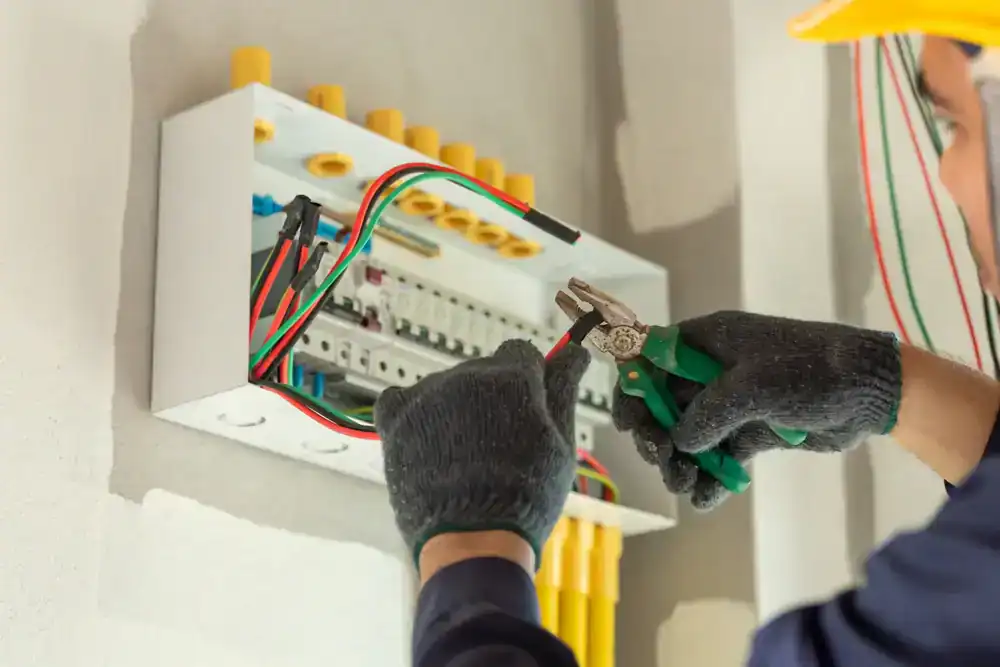
Your panel probably needs upgrading if breakers trip frequently, especially during summer when the AC runs constantly. This happens because the panel can’t supply enough power for everything running at once.
Other signs include flickering lights when appliances turn on, a burning smell near the panel, or rust and corrosion on the panel box itself. Many Trophy Club homes built in the early 2000s have 100-amp panels that worked fine back then but struggle with today’s electrical demands.
If you’re adding an EV charger, a pool, or a home addition, your existing panel might not have enough capacity. We can test your current load and tell you exactly what you need. Most upgrades go from 100-amp to 200-amp service, which gives you plenty of room for current and future electrical needs.
Yes, and skipping permits creates serious problems. Trophy Club requires permits for panel upgrades, new circuits, major repairs, and most electrical installations. The permit process ensures work meets current National Electrical Code standards and Texas amendments.
Without permits, your insurance company can deny claims if there’s ever an electrical fire or damage. When you sell your home, unpermitted work shows up during the buyer’s inspection and either kills the deal or forces you to bring everything up to code at your expense.
We handle the entire permit and inspection process. You don’t have to visit city offices or deal with paperwork. The inspector verifies our work meets code, and you get documentation proving the electrical system is safe and legal. That documentation protects your investment and gives you leverage during resale.
Power strips protect individual devices from small surges, but they can’t stop the massive voltage spikes that come through your electrical panel during lightning storms. A whole-home surge protector installs at your main panel and stops surges before they reach any outlet in your house.
Texas storms create serious power surges. When lightning strikes nearby or utility equipment fails, thousands of volts can flood your electrical system. That’s enough to destroy HVAC controls, water heater electronics, garage door openers, security systems, and anything else connected to your electrical system, even if it’s not plugged into an outlet.
Whole-home protection costs a few hundred dollars installed and protects tens of thousands of dollars worth of equipment. It’s especially important in Trophy Club homes with smart home systems, built-in appliances, and sophisticated HVAC controls. One good surge can cause more damage than the protection costs.
Most residential generator installations take two to three days from start to finish. Day one involves setting the concrete pad and running the gas line. Day two covers electrical connections, transfer switch installation, and final hookup. Day three handles startup, testing, and city inspection.
The timeline can stretch longer if we’re waiting on permits, if your gas service needs upgrading, or if there are complications with placement. Trophy Club requires permits for generator installations, and we coordinate that process with the city.
Generator size matters too. A small unit that runs essentials (fridge, a few lights, one AC unit) installs faster than a whole-home system that powers everything. We’ll assess your electrical panel, determine what you want to keep running during outages, and size the generator correctly. Proper sizing prevents overload and ensures the generator actually does what you need it to do when the power goes out.
Flickering lights when your AC starts usually means your electrical system is undersized for the load. Air conditioners pull a lot of power when the compressor kicks on, and if your panel or the circuit can’t supply enough, voltage drops temporarily and lights dim.
This is common in Trophy Club homes built 20+ years ago. The electrical systems were sized for the equipment installed at the time, but modern high-efficiency AC units, plus everything else you’re running now, can overload those circuits. Sometimes it’s just a weak connection that needs tightening, but often it’s a sign your panel needs upgrading.
Ignoring flickering lights is a mistake. It indicates your electrical system is working too hard, which creates heat and increases fire risk. We can test your system, identify whether it’s a simple fix or a bigger issue, and give you options. Most of the time, upgrading to 200-amp service solves the problem permanently.
Stop using it immediately and call us. Hot outlets or switches indicate a serious problem, usually a loose connection, an overloaded circuit, or faulty wiring. Any of these can start a fire.
Heat means electricity is meeting resistance somewhere it shouldn’t. That resistance creates heat, which damages insulation, melts wire coatings, and can ignite surrounding materials. If you smell burning plastic or see discoloration around the outlet or switch, that’s even more urgent.
Don’t try to fix this yourself. Turn off the breaker for that circuit if you can identify it, and keep the area clear until we can inspect it. We’ll find the source of the problem, determine if it’s isolated to that one location or part of a bigger issue, and make the necessary repairs. This is exactly the kind of problem that seems small until it becomes a major safety hazard.