
Hear from Our Customers

You flip a switch and the lights come on. Every time. Your breakers stop tripping when you run the microwave and the air conditioner at the same time. The outlets in your kitchen can handle your coffee maker, toaster, and blender without shutting down.
That’s what modern electrical services should deliver. Not just fixing what’s broken, but making sure your home’s electrical system can handle how you actually live today.
Most homes in Cross Roads were built in the 1960s and 70s. Back then, homes ran on 60 to 100 amps because families didn’t have computers, smart TVs, electric vehicle chargers, or the dozens of devices you’re probably charging right now. Your electrical panel wasn’t designed for this load, which is why you’re dealing with constant breaker trips, flickering lights, or worse—burning smells near outlets.
A residential electrician who understands older homes knows that upgrading to a 200-amp panel isn’t just about convenience. It’s about safety. It’s about protecting your family from electrical fires. And it’s about making sure your home can function the way you need it to without worrying whether turning on one more appliance will shut everything down.
We’ve been handling electrical services in Cross Roads, TX and throughout the Dallas-Fort Worth area for over 25 years. We’re a family-owned business, which means when you call, you’re talking to people who’ve built their reputation on showing up, doing the work right, and making sure it passes inspection the first time.
We hold an A+ rating with the Better Business Bureau and multiple Super Service Awards from Angie’s List. Those didn’t come from marketing. They came from doing what we said we’d do, charging what we said we’d charge, and making sure your electrical system works safely when we leave.
Cross Roads is a tight-knit community where word travels fast. We’ve worked in homes here long enough to know that most electrical problems aren’t just about one bad outlet or one tripped breaker. They’re about systems that haven’t kept pace with how much electricity your home actually needs. We fix that.

First, we listen. You tell us what’s happening—breakers tripping, outlets not working, lights flickering, whatever the issue is. We ask a few questions about your home’s age, when the problem started, and what you’ve noticed. This helps us show up prepared.
When we arrive, we do a full assessment. Not just the obvious problem, but the whole system. If your breaker keeps tripping, we’re checking the panel, the wiring, the load on that circuit, and whether your home’s electrical capacity can handle what you’re asking it to do. Most electrical problems aren’t isolated. They’re symptoms of a bigger issue.
Then we explain what we found in plain language. No jargon. No upselling. Just a clear explanation of what’s wrong, what needs to happen, and what it costs. You get upfront pricing before any work starts, so there’s no surprise bill at the end.
Once you approve the work, we handle it. Our electricians are fully licensed and insured, and we use commercial-grade materials that last. When we’re done, we test everything, clean up, and make sure you understand what we did. If it’s a panel upgrade or major work, we handle the permit and inspection process so you don’t have to.
Ready to get started?
We handle the full range of electrical services your home needs. Panel upgrades are a big part of what we do in Cross Roads because so many homes here are sitting on 60 or 100-amp panels that can’t safely handle modern electrical demands. Upgrading to a 200-amp panel means your home can run everything you need without constant breaker trips or fire risk.
Whole-house surge protection is now required by Texas electrical code for new installations and panel upgrades as of September 2023. Surge protection isn’t just about lightning strikes. It’s about protecting your HVAC system, appliances, and electronics from the daily power fluctuations that happen on the grid. In Texas, the average surge claim runs over $41,000. A whole-house surge protector costs a fraction of that and can lower your electric bill by up to 15%.
We also install backup generators, which have become essential in Texas after the power grid failures that left millions without electricity during severe weather. A backup generator keeps your home running when the grid goes down—your refrigerator stays cold, your AC keeps running, and your family stays safe.
Beyond that, we handle circuit breaker repair, outlet and switch replacements, recessed lighting installation, electrical safety inspections, and EV charging station installations. If it involves electricity in your home, we’ve done it hundreds of times. Every job is done to code, inspected properly, and backed by our commitment to quality work.
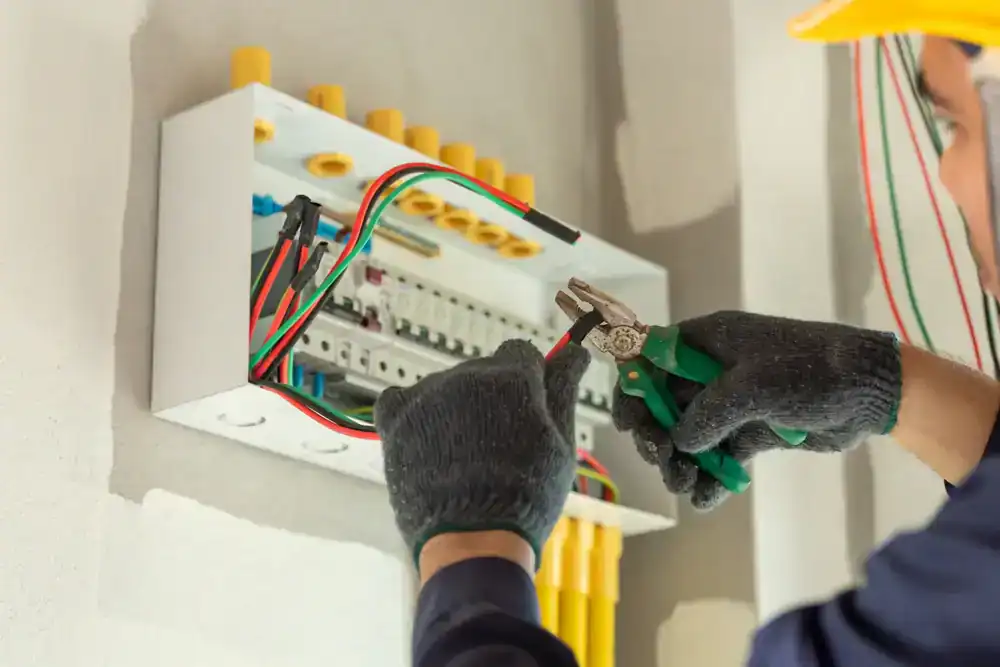
If your home is more than 25 years old and you’re still using the original panel, you probably need an upgrade. Most older homes in Cross Roads were built with 60 to 100-amp panels, which can’t safely handle the electrical load of modern living.
Here’s what to watch for: breakers that trip frequently, especially when you’re running multiple appliances. Lights that flicker or dim when you turn on something like the air conditioner or microwave. Outlets that feel warm to the touch or have scorch marks. A burning smell near your electrical panel. Any of these signs mean your system is overloaded and potentially dangerous.
Modern homes typically need at least a 200-amp panel. That gives you enough capacity to run your HVAC system, kitchen appliances, electronics, and anything else you plug in without overloading circuits. An upgrade also brings your home up to current electrical code, which matters for safety, insurance, and resale value. Most panel upgrades in the Fort Worth area cost between $1,800 and $3,200 depending on your home’s size and complexity.
A 24 hour electrician responds to emergencies outside of normal business hours. Electrical problems don’t wait for convenient times. A sparking outlet at 2 a.m., a panel that starts smoking on a Sunday, or a complete power loss during a storm—these need immediate attention because they’re safety hazards.
Regular electrical services handle scheduled work like panel upgrades, lighting installations, or outlet repairs. That work is important, but it’s not urgent. Emergency electrical repair is different. It’s about stopping a dangerous situation before it becomes a fire or someone gets hurt.
When you call for emergency service, you’re paying for immediate response and availability. The cost is higher than scheduled work because you’re getting a licensed electrician to drop everything and come to your home right away. But when you’re dealing with exposed wiring, a burning smell, or no power in extreme heat or cold, that response time matters. We offer 24/7 emergency service because electrical emergencies don’t follow a schedule, and waiting until morning isn’t always safe.
Most homeowners in Texas spend between $300 and $900 on whole-house surge protection, depending on the size of the system and whether it’s being installed during a panel upgrade or as a standalone service. That’s a small investment compared to the cost of replacing your HVAC system, appliances, or electronics after a major surge event.
Whole-house surge protection is now required by Texas electrical code for any new panel installations or upgrades as of September 2023. It protects your entire home from power surges caused by lightning, grid fluctuations, and utility switching. These surges happen more often than most people realize, and they gradually damage sensitive electronics over time even if they don’t cause immediate failure.
A whole-house surge protector installs at your electrical panel and stops surges before they reach your home’s wiring. It’s different from the power strips you plug devices into—those only protect what’s plugged into them. Whole-house protection covers everything: your HVAC system, refrigerator, washer and dryer, computers, TVs, and anything else connected to your electrical system. Given that the average surge claim in Texas runs over $41,000, spending a few hundred dollars on protection makes sense.
Flickering lights usually mean one of three things: a loose bulb, a problem with the fixture, or an issue with your home’s wiring or electrical panel. An electrician can diagnose which one it is and fix it, though the solution depends on what’s causing the flicker.
If it’s just one light flickering, the problem is probably isolated to that fixture or the bulb itself. Tightening the bulb or replacing a faulty fixture usually solves it. But if multiple lights flicker, especially when you turn on a major appliance like your AC or dryer, that points to a bigger problem—either your electrical panel is overloaded or you have loose wiring somewhere in the system.
Flickering lights aren’t just annoying. They’re often an early warning sign that your electrical system can’t handle the load you’re putting on it. In older homes, this usually means the panel needs an upgrade or certain circuits need to be rewired. A licensed electrician can test your system, identify where the problem is, and fix it properly. Ignoring flickering lights can lead to more serious issues like electrical fires, so it’s worth getting checked out sooner rather than later.
A full backup generator installation typically takes one to three days depending on the size of the generator, where it’s being installed, and how complex the electrical connection is. That includes running the gas or propane line, setting up the transfer switch, connecting it to your electrical panel, and testing the system to make sure it works properly.
The first step is a site assessment. We figure out where the generator will sit, how far it is from your electrical panel and gas line, and what size generator you need based on what you want to power during an outage. Whole-house generators that run everything cost more and take longer to install than smaller units that only cover essentials like your refrigerator, a few lights, and your HVAC system.
After the generator is installed, we handle the permit and inspection process. Texas requires permits for generator installations, and the work has to pass inspection to make sure it’s safe and up to code. Once everything is approved, we walk you through how to operate and maintain the system. Backup generators have become essential in Texas after the grid failures during recent storms, and having one installed properly means your home stays powered when everyone else is sitting in the dark.
First, make sure they’re licensed and insured. Texas requires electricians to hold a current license, and insurance protects you if something goes wrong during the job. Don’t hire someone who can’t show you both. It’s not worth the risk.
Second, ask about their experience with homes like yours. If you live in an older home in Cross Roads, you want an electrician who understands outdated wiring, undersized panels, and the quirks that come with homes built in the 60s and 70s. Not every electrician has that experience, and it matters when you’re dealing with systems that weren’t designed for modern electrical loads.
Third, get upfront pricing. A good electrician will assess the work, explain what needs to happen, and tell you what it costs before they start. No surprises, no vague estimates that balloon into something else. And finally, check their reputation. Look for reviews, BBB ratings, and how long they’ve been in business. A company that’s been around for decades and has a track record of quality work is a safer bet than someone who just started last year. You’re trusting this person with your home’s safety—choose someone who’s earned that trust.