Surge Protection in Richland Hills, TX

Your Electronics Are Under Attack Every Day

Power surges hit your home constantly—and you probably don’t even notice until something expensive stops working.
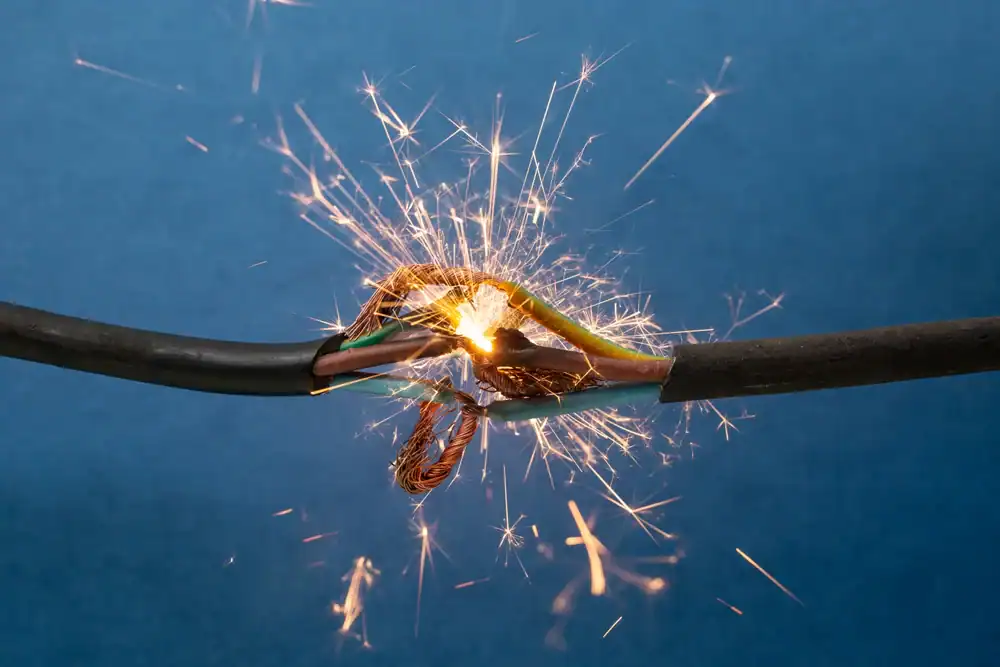
A close-up of a damaged electrical wire with exposed copper sparking against a blue background, showing bright sparks flying—highlighting why an electrician in Dallas and Fort Worth, TX is essential for safety.

Hear from Our Customers

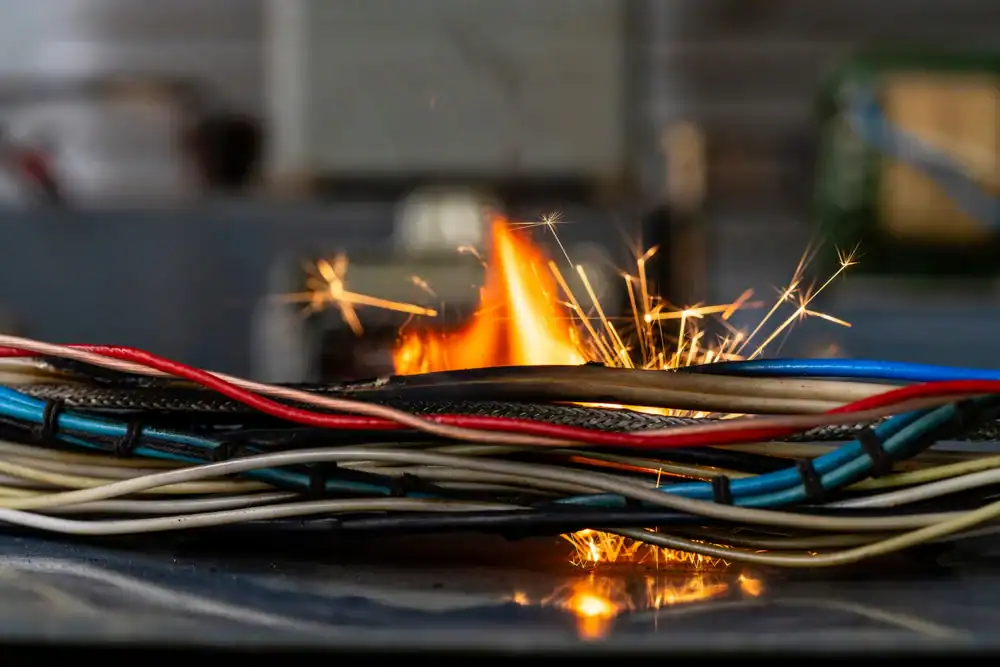
Several electrical wires are burning and sparking, with visible flames—suggesting a dangerous short circuit. The background is blurred, focusing attention on the hazardous wires. An electrician Dallas and Fort Worth, TX residents trust should be called immediately.

Whole House Surge Protection Richland Hills

Stop Throwing Money at Surge Damage

The average insurance claim for surge damage runs around $12,000. Your HVAC system alone could cost $8,000 to replace if a surge fries the compressor. Most homeowner’s insurance policies don’t cover damage from power surges, leaving you to foot the entire bill.

When you install a whole house surge protector, you save every single outlet while ensuring safety in the home. One device at your electrical panel protects everything—from your smart thermostat to your washer and dryer. No more buying individual surge strips for every room.

You get real protection that works 24/7, whether you’re home or not. Lightning strikes are particularly concerning in areas prone to thunderstorms, like many parts of Texas, and power outages and grid switching can cause surges that are frequent and unpredictable, making surge protection essential.

Electrical Contractors Richland Hills TX

25 Years of Keeping Richland Hills Powered

We’ve been protecting homes in the Dallas-Fort Worth and Mid-Cities areas for over 25 years. We’re not the new guys trying to figure things out—we’re the family-owned electrical contractor your neighbors trust when their power goes out or their expensive equipment needs protection.

We’re proud to be BBB accredited, have an A+ rating on Angie’s list, and be the Multi-Year Super Service Award Winner. Our licensed and insured electricians have seen every type of surge damage you can imagine, from fried HVAC systems to destroyed home entertainment centers.

Richland Hills sits right in the heart of North Texas storm country. We know the electrical challenges you face here—from summer thunderstorms that knock out power to utility company switching that sends voltage spikes through your lines. That local knowledge means we install surge protection that actually works for your specific situation.

A close-up of an electric plug creating bright sparks as it is being inserted into a black power strip, highlighting the danger of electrical hazards—a reminder to call a professional electrician in Dallas and Fort Worth, TX for safety.

Surge Protector Installation Process Richland Hills

Simple Installation, Complete Protection

Professional installation is crucial, as most surge protector warranties only cover damage to appliances and electronics if a licensed electrician installs the device. We start with a complete evaluation of your electrical panel to determine the right type and size of surge protection device for your home.

Surge protection installation involves placing SPDs at key points in your electrical system. The additional voltage generated during a surge is absorbed by them and safely directed away from the electrical equipment in your residence. We install the whole-house surge protector directly at your main electrical panel—it takes about 1-2 hours for most homes.

When a power surge occurs, a whole-house surge protector redirects excess voltage to the ground, preventing it from entering your home’s wiring and potentially causing damage to sensitive electronics, appliances, and other systems. The device works instantly and automatically—you won’t even know it’s doing its job until you realize your equipment survived a storm that knocked out your neighbor’s electronics.

An electrical junction box with exposed wires is engulfed in bright orange flames, indicating an electrical fire on a concrete surface. Flexible conduit pipes are attached to the box—call an electrician Dallas and Fort Worth, TX, for emergencies like this.

Ready to get started?

Explore More Services

About Carroll Service Co.

Get a Free Consultation

Home Surge Protection Services Richland Hills

What You Get With Professional Installation

A whole-house surge protector costs $70 to $700, with a national average of $300. The average cost to hire an electrician to install a whole-house surge protector is around $100 to $200. That’s a fraction of what you’d spend replacing damaged equipment after one major surge.

A whole-home surge protector shields every device in your home—from TVs and gaming consoles to refrigerators and washing machines—against sudden power spikes. Beyond appliances, a properly installed surge protector defends your home’s wiring, outlets, switches, and even built-in systems like HVAC units from damaging voltage spikes.

In Richland Hills, we see surge damage most often during the spring storm season and summer months when the electrical grid works hardest. Air conditioners and heating systems are essential to comfortable living in Texas, and can be expensive to repair. Power surges can cause compressors in these appliances to fail, potentially leading to costly repairs. Your surge protector handles both external surges from lightning and utility switching, plus internal surges from your own large appliances cycling on and off.

A wall electrical outlet is sparking and on fire, with visible flames and a plugged-in cord—signs of an electrical malfunction or short circuit that require immediate attention from an electrician in Dallas and Fort Worth, TX.
On average, a professionally installed whole-house surge protector costs $300 to $800, depending on your electrical panel and the specific unit installed. The total cost depends on your home’s electrical setup and the level of protection you need.When you consider the potential for equipment damage can run well over $10,000, it justifies the average cost ranging from $200 to $700 for the whole house surge product and installation. Most installations pay for themselves the first time they prevent major damage to your HVAC system or expensive electronics. We provide upfront pricing before any work begins, so you know exactly what you’re investing in protection.
With EV chargers, solar inverters, and other modern tech increasing electrical load, today’s homes are more vulnerable than ever. Surge protectors are still essential in 2025. Texas leads the nation in lightning strikes, and our electrical grid switches frequently during peak demand periods.While small surges might only damage inexpensive items like alarm clocks, larger surges can destroy high-value electronics, leading to costly replacements. Most homeowners’ insurance policies don’t cover damage from power surges, making surge protection a smart investment. By preventing damage before it happens, you’re not just protecting your appliances—you’re protecting your wallet. Even if you never experience a major lightning strike, the small daily surges from utility switching and internal sources slowly damage your electronics over time.
Power strip surge protectors won’t protect many electronics that are directly wired to your electrical panel. These are often the most expensive electronics in your house: HVAC systems, electric stoves, ovens, range hoods, washers, and dryers—which can add up to well over five-digit figures.Your HVAC system is particularly vulnerable because it draws high power and cycles on and off frequently. Air conditioners and heating systems are essential to comfortable living in Texas, and can be expensive to repair. Power surges can cause compressors in these appliances to fail, potentially leading to costly repairs. A whole-house surge protector installed at your main panel protects your entire HVAC system, including the outdoor unit, indoor air handler, and thermostat controls. This is protection you simply can’t get any other way.
Most installations take 1 to 2 hours when done by a licensed electrician. The actual time depends on your electrical panel’s age and configuration, but most straightforward installations are completed in a single visit.These devices require installation by a licensed electrician. DIY installation is illegal in many states and may also invalidate your homeowners insurance. We bring all necessary materials and complete the installation without disrupting your daily routine. Our technicians test the system thoroughly before leaving to ensure your protection is active and working properly. You’ll have complete peace of mind knowing your entire home is protected from the moment we finish the installation.
There are two main types of surge protection: point-of-use surge protectors and whole-house surge protection. Point-of-use devices are the power strips you commonly find in homes, used to protect individual appliances. On the other hand, surge protectors that are implemented throughout the entire residence are installed by a licensed electrician within the electrical panel. These devices protect the entire electrical system of your home, providing superior protection against larger disturbances that originate outside of your residence.Surge protectors only offer device-level protection, whereas whole house surge protectors safeguard all connected electronics in a home. If you’re only concerned about protecting certain devices—for example, your home computer or television—then a surge protector will likely suffice because it will provide the protection you need for that specific electronic. But if you add up the cost of individual surge strips for every room, plus the fact that they can’t protect hard-wired appliances, whole-house protection becomes the smarter investment.
Whole-house units: 5 to 10 years. Surge protectors wear out faster if they absorb frequent or large surges. Most whole-house surge protectors work for two to three years. Low-level spikes—too small to notice—hit your panel every day and slowly wear down the internal components. Once the unit’s capacity is depleted, it can’t prevent a larger surge, so plan to replace it on schedule (or sooner if a major lightning strike occurs) to keep your electronics and HVAC equipment safe.The good news is that quality surge protectors include indicator lights that show when they’re working properly and when they need replacement. We recommend having your surge protector inspected annually as part of regular electrical maintenance. If you experience a major lightning strike or significant power event, we’ll check your surge protector to ensure it’s still providing full protection. Think of replacement as inexpensive insurance—much cheaper than replacing all the equipment it’s protecting.