Surge Protection in Pelican Bay, TX

Your Electronics Deserve Better Protection

Stop gambling with thousands of dollars worth of appliances and electronics when Texas storms roll through Pelican Bay.
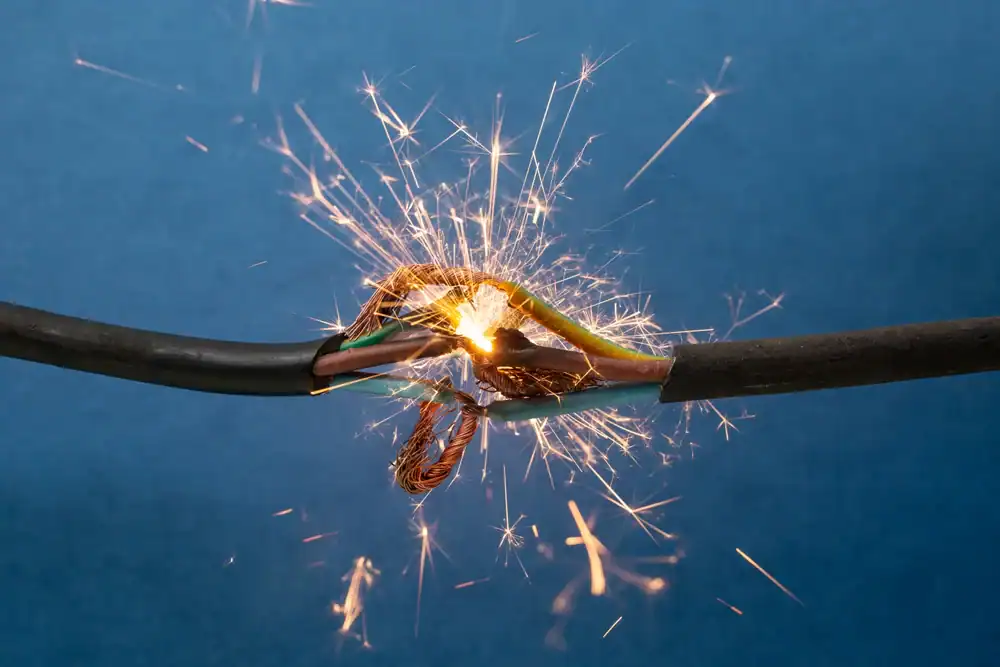
A close-up of a damaged electrical wire with exposed copper sparking against a blue background, showing bright sparks flying—highlighting why an electrician in Dallas and Fort Worth, TX is essential for safety.

Hear from Our Customers

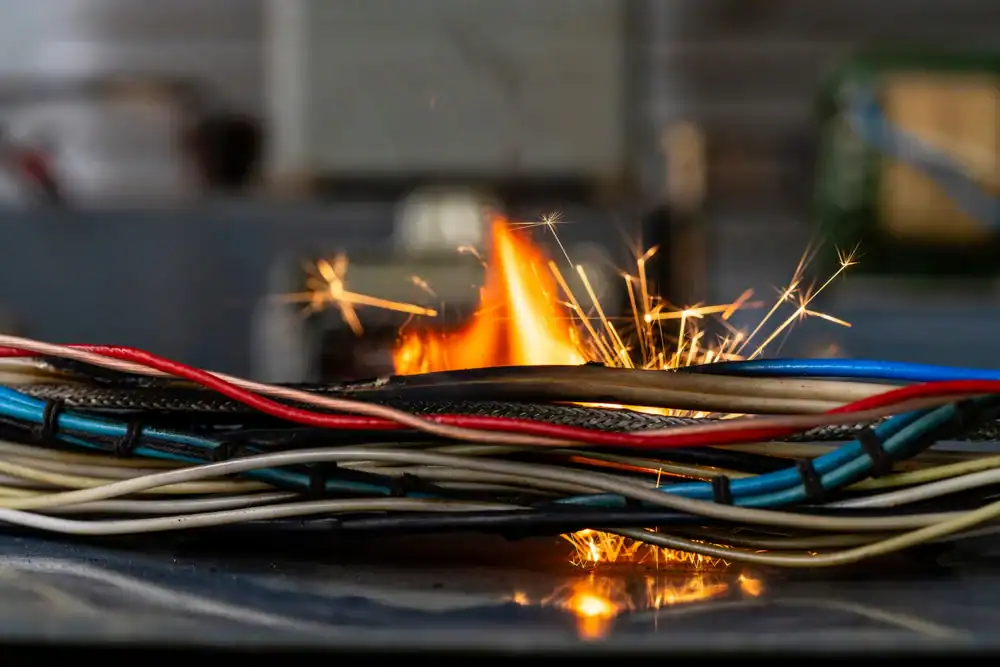
Several electrical wires are burning and sparking, with visible flames—suggesting a dangerous short circuit. The background is blurred, focusing attention on the hazardous wires. An electrician Dallas and Fort Worth, TX residents trust should be called immediately.

Whole House Surge Protection Pelican Bay

What Real Protection Actually Looks Like

Your refrigerator cost $2,000. Your HVAC system was $8,000. Your home office setup runs another $3,000. Add it all up, and you’re looking at tens of thousands of dollars in equipment that could vanish in a single power surge.

Most Pelican Bay homeowners think those cheap power strips from the hardware store will do the job. They won’t. When lightning strikes near Eagle Mountain Lake or your neighbor’s AC kicks on and sends a surge through the local grid, those $15 strips become expensive paperweights.

Whole-house surge protection works differently. It catches surges at your electrical panel before they reach your outlets, protecting everything from your smart thermostat to your washer and dryer. It’s the difference between losing one device and losing everything plugged into your walls.

Electrical Contractors Pelican Bay TX

25 Years Of Keeping Pelican Bay Powered

We’ve been the go-to electrical contractor for Pelican Bay families since before surge protection was even on most people’s radar. We’ve seen what Texas storms can do to unprotected homes. More importantly, we’ve helped hundreds of homeowners avoid those expensive lessons.

As a family-owned business with an A+ BBB rating, we know that trust matters when someone’s working in your home. Our electricians are licensed, insured, and have the experience to install surge protection systems that actually work when you need them most.

We’re not the cheapest option in Tarrant County, and that’s intentional. Quality surge protectors and proper installation cost more upfront, but they save you thousands when the next storm hits your neighborhood.

A close-up of an electric plug creating bright sparks as it is being inserted into a black power strip, highlighting the danger of electrical hazards—a reminder to call a professional electrician in Dallas and Fort Worth, TX for safety.

Install Surge Protector Pelican Bay

How We Install Protection That Actually Works

First, we evaluate your home’s electrical panel and current setup. Not every surge protector works with every panel, and sizing matters more than most people realize. We measure your home’s electrical load and determine exactly what level of protection you need.

Next, we install the surge protection device directly at your main electrical panel. This isn’t a plug-in device—it’s hardwired into your home’s electrical system where it can intercept surges before they reach your outlets. The installation typically takes 2-3 hours and requires temporarily shutting off power to your home.

Finally, we test the system and walk you through how it works. You’ll get documentation showing your surge protector is properly installed and functioning, plus warranty information that covers both the device and our installation work.

An electrical junction box with exposed wires is engulfed in bright orange flames, indicating an electrical fire on a concrete surface. Flexible conduit pipes are attached to the box—call an electrician Dallas and Fort Worth, TX, for emergencies like this.

Ready to get started?

Explore More Services

About Carroll Service Co.

Get a Free Consultation

Power Surge Protection Pelican Bay TX

What You Get With Professional Installation

Our whole-house surge protection service includes a commercial-grade surge protective device rated for your home’s specific electrical load. These aren’t the residential-grade units you’ll find at big box stores—they’re designed to handle the kind of surges that actually damage equipment.

The installation includes all necessary permits and inspections required by Tarrant County. We handle the paperwork so you don’t have to deal with city offices or worry about code compliance issues that could affect your home’s resale value.

You also get our comprehensive warranty covering both the surge protector and the installation work. If something goes wrong with the device or our installation, we’ll come back and make it right at no additional cost.

For Pelican Bay homeowners, this protection is especially valuable given your location near Eagle Mountain Lake. The combination of water and wide-open spaces makes this area particularly susceptible to lightning strikes and the power surges they create.

A wall electrical outlet is sparking and on fire, with visible flames and a plugged-in cord—signs of an electrical malfunction or short circuit that require immediate attention from an electrician in Dallas and Fort Worth, TX.
Professional whole-house surge protection typically runs between $800 and $1,500 for most Pelican Bay homes, depending on your electrical panel type and the level of protection you choose. This includes the surge protective device, professional installation, permits, and warranty coverage. While that might seem like a significant investment, consider that the average lightning damage claim in Texas costs over $41,000. Even a minor surge that damages your refrigerator, HVAC system, and a few electronics can easily cost $5,000 to $10,000 to replace. The math is straightforward: spend $1,000 now to protect $20,000+ worth of equipment, or risk paying thousands later when a surge hits your unprotected home.
Whole-house surge protectors are designed to handle indirect lightning strikes and most power grid surges, but a direct lightning strike to your home carries about 300 million volts—far more than any surge protector can handle. However, direct strikes are extremely rare. Most lightning damage comes from strikes to nearby power lines, transformers, or even your neighbor’s property. These create surges in the thousands of volts range, which quality surge protectors can absolutely stop. For complete protection, we recommend combining whole-house surge protection with high-quality point-of-use surge protectors for your most valuable electronics. This layered approach gives you the best possible protection short of unplugging everything during storms.
Most power strips provide minimal surge protection, and even good ones only protect the devices plugged into them. They do nothing for hardwired appliances like your HVAC system, garbage disposal, or ceiling fans. Power strips also wear out over time and lose their protective capability without any visible indication. A strip that’s been hit by several small surges might look fine but offer zero protection when you need it most. Whole-house surge protection works at your electrical panel, protecting every outlet, switch, and hardwired appliance in your home. It’s the difference between protecting a few devices and protecting your entire electrical system.
Obvious surge damage includes electronics that won’t turn on, display flickering or distortion, or burning smells around outlets. But surge damage often happens gradually through smaller, repeated surges that slowly degrade your equipment’s internal components. Signs of gradual surge damage include appliances that run less efficiently, lights that dim when large appliances start up, or electronics that seem to fail more frequently than they should. Your HVAC system might cycle on and off more often, or your refrigerator might run constantly. If you’re experiencing any of these issues, especially after storms, it’s worth having your electrical system evaluated. Surge damage can also create safety hazards in your home’s wiring that aren’t immediately obvious.
Texas homeowners insurance policies vary widely in their surge protection coverage. Some cover surges caused by lightning strikes but not those caused by utility company problems. Others require you to have surge protection installed to maintain coverage for certain appliances. Many policies also have specific limits on electronics coverage that might not reflect the actual replacement cost of your devices. A $2,000 limit doesn’t go far when you’re replacing a damaged HVAC system, refrigerator, and home office equipment. The best approach is to prevent the damage in the first place with proper surge protection. Even if your insurance covers surge damage, you’ll still deal with deductibles, claim processes, and the hassle of replacing everything while waiting for settlements.
Quality whole-house surge protectors typically last 10-15 years under normal conditions, but their lifespan depends on how many surges they’ve absorbed. Each time the device stops a surge, it uses up some of its protective capacity. Most modern surge protectors include indicator lights or displays that show when the device is working properly. When these indicators show the unit has reached the end of its protective life, it’s time for replacement. We recommend having your surge protection system inspected every few years, especially after major storms. This ensures it’s still providing the protection you’re counting on and gives us a chance to spot any issues before they become problems.