Hear from Our Customers
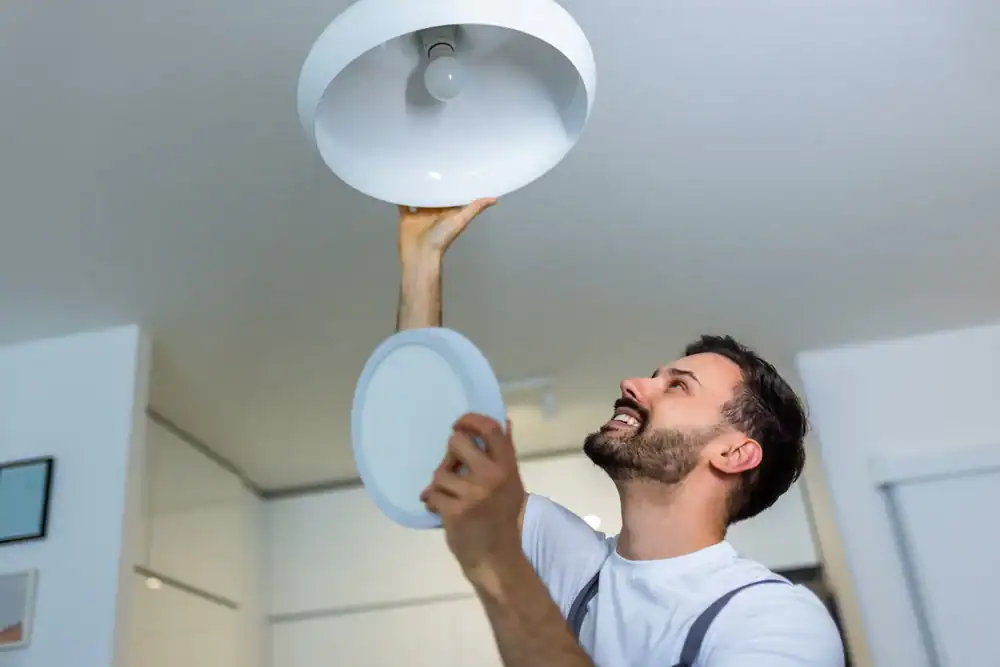
Your breakers stop tripping every time you run the microwave and coffee maker at the same time. Your lights stay bright when the AC kicks on. You can plug in what you need without wondering if you’re about to overload something.
That’s what happens when an electrical contractor in Sansom Park actually upgrades your system to handle what you’re asking it to do. Most homes in this area were built decades ago, and the electrical panels weren’t designed for modern loads. You’ve added computers, phone chargers, big-screen TVs, and kitchen appliances that pull serious power. Your panel is doing its best, but it’s maxed out.
Code-compliant electrical work means your system can handle your life without constant interruptions. It also means you’re not risking a fire every time you flip a switch. When wiring services are done by a licensed electrical contractor, you get permits pulled, inspections scheduled, and work that actually passes. No shortcuts. No guessing.
We’ve been handling electrical work in the Fort Worth area for over 25 years. We’re family-owned, which means when you call, you’re talking to people who live and work in the same communities you do.
We hold an A+ rating with the Better Business Bureau and multiple Super Service Awards from Angie’s List. Those aren’t just badges—they’re proof that we show up, do the work right, and stand behind it. Every electrician on our team is fully licensed and insured to work in Sansom Park and throughout Tarrant County.
You’re not getting a sales pitch. You’re getting someone who knows that homes around here have aging electrical systems that need real upgrades, not band-aids.

First, we show up when we say we will. Most emergency calls get a response within one to two hours, and our trucks are stocked with the parts needed for common repairs.
We assess what’s actually wrong. If your breaker keeps tripping, we don’t just reset it and leave—we figure out why it’s tripping. Overloaded circuit? Faulty breaker? Short in the wiring? You’ll know before we touch anything.
Then we give you a price. Upfront. No surprises when the bill comes. If you approve, we do the work. We pull permits if the job requires them, and we schedule inspections so everything is documented and legal.
Once the work’s done, we test it. You’ll see that your outlets work, your panel isn’t overheating, and your lights stay on when they’re supposed to. If something needs follow-up, we handle it. That’s the process.

Ready to get started?
You get a full electrical safety inspection if you need one. That means checking your panel for rust, corrosion, or outdated breakers. We look at your wiring to see if it’s aluminum, knob-and-tube, or something else that needs replacing.
Panel upgrades are common in Sansom Park because older homes typically have 100-amp panels, and modern homes need at least 200 amps. Upgrading your panel means you can add circuits, run your HVAC without issues, and stop worrying about overloads.
Surge protection gets hardwired into your system—not a power strip you plug into the wall. We install whole-house surge protectors rated for at least 40,000 amps, which matters in an area that sees as many electrical storms as Fort Worth does. One direct lightning strike can fry every electronic device in your house within milliseconds.
Generator installation is another service that’s becoming standard, not optional. Power outages in Texas are happening more often due to weather and grid strain. A whole-house generator starts automatically within seconds of losing power, and most installations are done in a day.
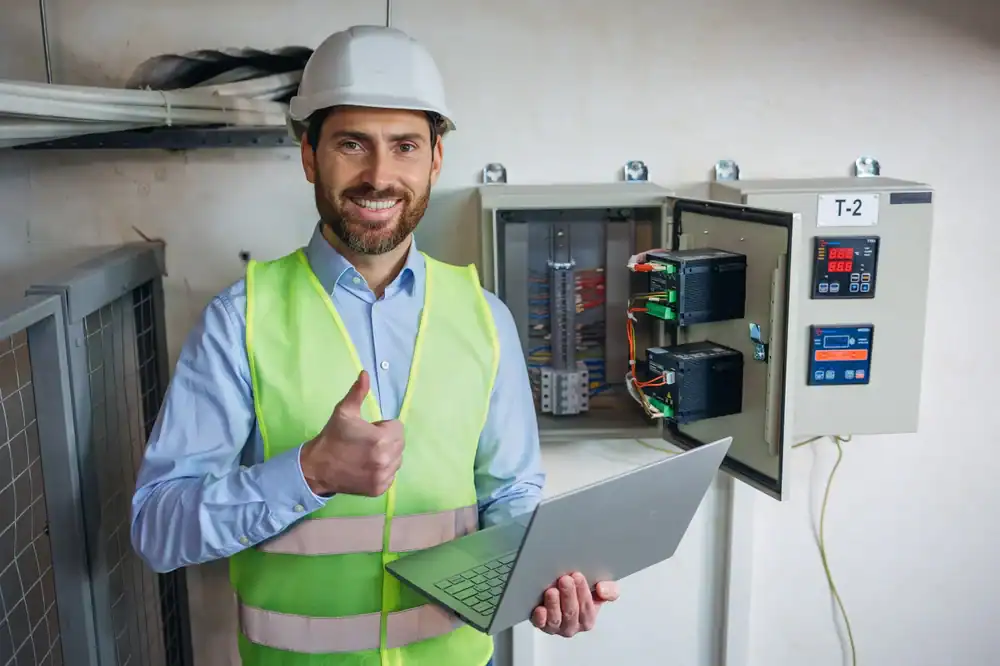
If your panel is over 20 years old, you’re already in the window where replacement makes sense. Breakers that trip frequently, lights that dim when appliances turn on, or any burning smell near the panel are all signs you need an upgrade.
Rust or corrosion on the panel itself means moisture is getting in, which is dangerous. If you see scorch marks or feel heat coming from the panel, shut off the main breaker and call us immediately. Panels aren’t supposed to get hot.
Most homes in Sansom Park that were built before 1990 have panels that can’t handle today’s electrical demands. Upgrading to a 200-amp panel gives you the capacity to run everything you need without constant trips or safety risks.
A licensed electrical contractor in Sansom Park has passed state exams, carries liability insurance, and is legally allowed to pull permits and perform electrical work. An unlicensed person might know how to do the work, but they can’t get permits, and if something goes wrong, you’re liable.
Insurance matters because electrical work carries real risk. If an unlicensed electrician causes a fire or gets hurt on your property, your homeowner’s insurance might not cover it. Our insurance protects you and your property.
Permits and inspections exist for a reason. When you sell your home, unpermitted electrical work can kill a deal or force you to pay for expensive corrections. We handle the paperwork and make sure everything is documented and code-compliant.
Most whole-house generator installations are completed in one day. The timeline depends on whether you need a concrete pad poured, how far the generator sits from your electrical panel, and whether your gas line needs to be extended.
The generator itself connects to your home’s natural gas or propane supply and ties directly into your electrical panel through a transfer switch. When the power goes out, the transfer switch detects it and signals the generator to start. The whole process takes less than 30 seconds.
After installation, the generator runs a self-test once a week to make sure it’s ready when you need it. Maintenance is minimal—usually an annual service check to change the oil and inspect the system. Generators are built to last 15 to 20 years with proper upkeep.
Yes, in most cases. If your panel has available breaker slots and your existing circuits aren’t maxed out, we can add outlets by running new wire from the panel or tapping into an existing circuit that has capacity.
The question is whether your current circuits can handle the additional load. If you’re adding outlets in a home office for computers, printers, and monitors, you might need a dedicated circuit. If you’re just adding a couple of outlets in a bedroom for lamps and phone chargers, we can usually tie into an existing circuit.
We’ll assess your panel and your current electrical load before recommending the best approach. Sometimes adding outlets means upgrading your panel first, especially if you’re already tripping breakers regularly. The goal is to give you the outlets you need without creating new problems.
Power strips only protect what’s plugged into them, and they’re designed for small surges—not the kind of voltage spike you get from a lightning strike or a transformer failure. Whole-house surge protection installs at your electrical panel and protects every circuit in your home.
Fort Worth sits in an area that sees more electrical storms than most places. A single lightning strike near your home can send thousands of volts through your electrical system. That surge will destroy anything electronic—HVAC systems, appliances, computers, TVs—before a power strip even registers it.
Whole-house surge protectors are rated by how much energy they can absorb. We install units with a minimum capacity of 40,000 amps, which can handle major strikes. They’re hardwired into your panel, so there’s no plug to forget or cord to trip over. It’s a one-time installation that protects everything.
Stop using that outlet or switch immediately. A burning smell means something is overheating—usually a loose connection, damaged wiring, or an overloaded circuit. Don’t try to investigate it yourself. Shut off the breaker that controls that area if you can do it safely.
Electrical fires often start inside walls where you can’t see them. By the time you smell burning plastic or see scorch marks, the problem is already serious. Call us right away. This isn’t something you wait on.
We’ll open up the outlet or switch, inspect the wiring, and identify the source of the heat. Sometimes it’s a simple fix like tightening a connection. Other times it means replacing damaged wire or upgrading the circuit. Either way, you’ll know what caused it and what it takes to fix it safely.