Hear from Our Customers
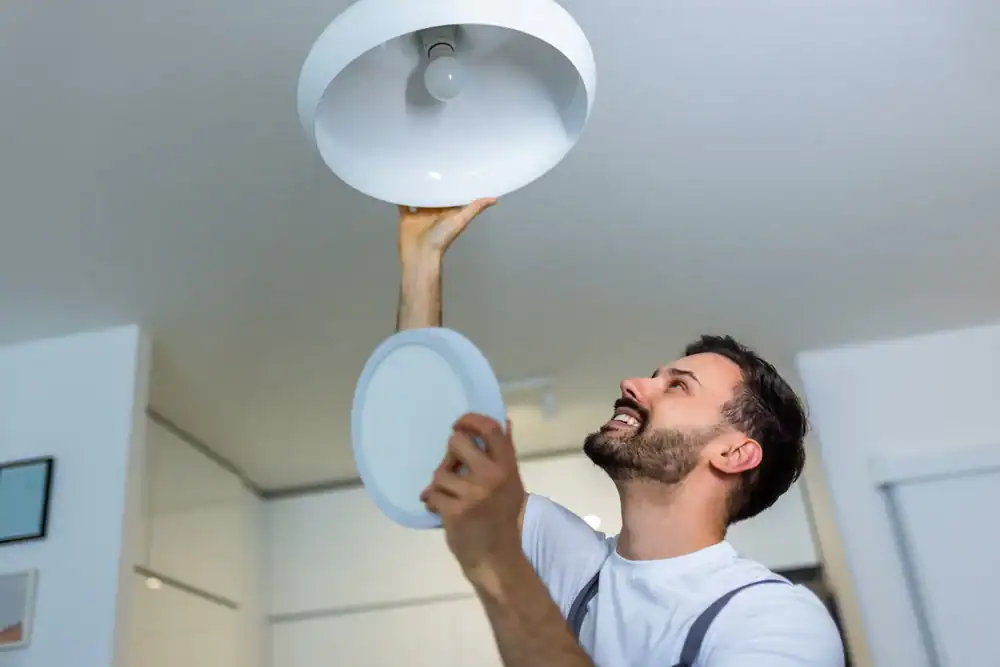
Your breakers keep tripping because your electrical panel wasn’t designed to handle a 3-ton AC unit running 24/7 during July. Your outlets feel warm because the wiring behind them is deteriorating. Your lights flicker when the AC kicks on because your home’s electrical load exceeds what your system can safely distribute.
These aren’t minor annoyances. They’re warning signs that your electrical system is struggling, and ignoring them doesn’t make them go away.
Most homes in established Haltom City neighborhoods were built between 1960 and 1980. Back then, a 100-amp panel was standard. Today, with central air, multiple refrigerators, gaming systems, and home offices, you’re asking that same panel to do twice the work it was designed for. That’s why circuit breakers trip. That’s why outlets fail. That’s why you’re reading this page.
We handle electrical repairs, panel upgrades, wiring services, and generator installations across Haltom City, TX. You call, we show up with the parts and tools to finish the job that day, and your electrical system works the way it should.
We’re a family-owned electrical company based in Fort Worth, serving Haltom City and the surrounding Mid-Cities for over 25 years. We’re licensed, insured, and carry an A+ rating with the Better Business Bureau because we show up when we say we will and we fix what’s broken.
You’re not hiring a national franchise with a rotating crew of subcontractors. You’re hiring a local electrical contractor who knows that Haltom City homes face specific challenges—aging electrical panels, undersized wiring, and storm-related power surges from the spring severe weather that rolls through North Texas every year.
We’ve earned multiple Super Service Awards from Angie’s List, not because we’re the cheapest, but because we do the work right and we don’t leave until your electrical system is safe and functional.

You call or submit a service request. We schedule a time that works for you, usually same-day or next-day depending on availability. If it’s an emergency, we respond within 60 to 90 minutes.
Our electrician arrives in a fully stocked service vehicle. That means we’re carrying the breakers, outlets, wiring, and components needed to complete most repairs during the first visit. You’re not waiting three days for a part to ship from a supplier.
We diagnose the issue, explain what’s wrong in plain language, and give you an upfront price before we start any work. No surprises. No “we’ll see what we find” pricing. You know what it costs before we touch a single wire.
Once you approve the work, we complete the repair or installation, test the system to make sure everything functions correctly, and clean up before we leave. You flip the switch, the lights come on, and your breakers stop tripping. That’s the standard.

Ready to get started?
We handle electrical panel upgrades, circuit breaker replacements, outlet and switch installations, whole-house rewiring, recessed lighting installation, surge protection systems, and backup generator installations. Every job meets current National Electrical Code standards and local Fort Worth building requirements.
Haltom City sits in Oncor’s service territory, which means you’re part of Texas’ deregulated energy market. Your electrical system needs to handle the continuous load from air conditioning during summers that regularly hit 95+ degrees. If your panel is outdated or your wiring is undersized, you’re risking tripped breakers, damaged appliances, and potential electrical fires.
Most homes in Haltom City that were built before 2000 need some level of electrical upgrade. That might mean adding circuits to handle modern appliances, replacing aluminum wiring with copper, or upgrading from a 100-amp panel to a 200-amp panel. We assess your home’s electrical load, identify what’s causing the problem, and recommend the right solution—not the most expensive one.
Spring storms in North Texas bring power surges that fry electronics and damage HVAC systems. Whole-house surge protection costs a fraction of replacing a fried AC compressor or a destroyed home theater system. We install surge protection at the panel level, so every outlet in your home is protected.
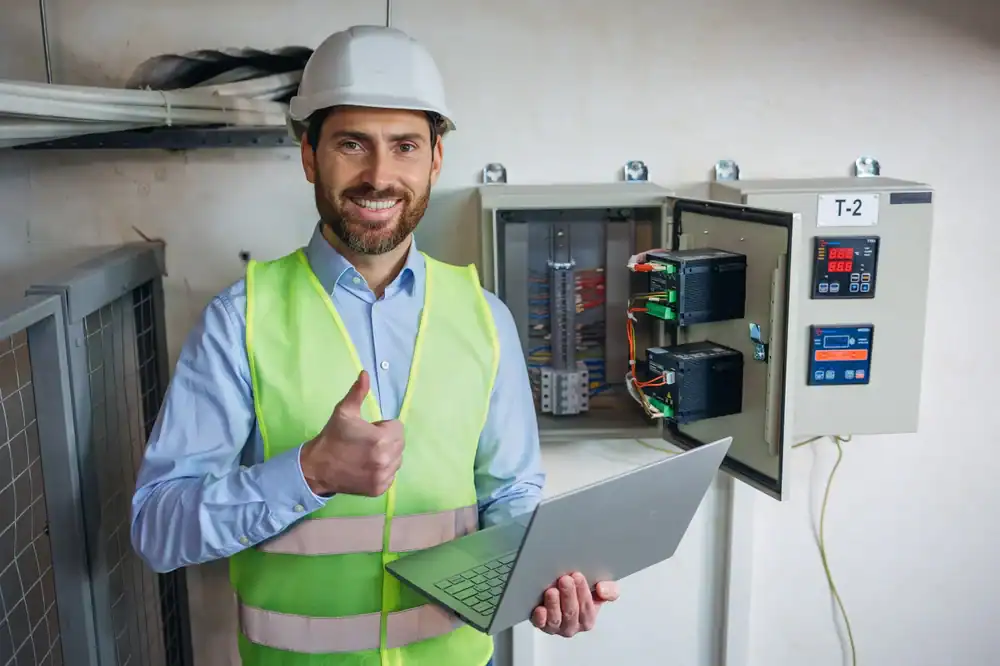
Your electrical panel needs an upgrade if your breakers trip frequently, your panel feels warm to the touch, you see rust or corrosion inside the panel, or your home still has a fuse box instead of circuit breakers. These are all signs that your panel is either failing or undersized for your home’s electrical load.
Most Haltom City homes built before 1990 have 100-amp or 150-amp panels. Today’s homes typically need 200-amp service to safely handle central air, electric appliances, and modern electronics. If you’re adding a home office, upgrading your HVAC system, or installing a backup generator, your existing panel may not have the capacity to support the additional load.
A licensed electrical contractor can perform a load calculation to determine whether your panel is adequate or if an upgrade is necessary. Upgrading your panel isn’t just about convenience—it’s about safety. An overloaded panel is a fire hazard, and it can damage expensive appliances and electronics.
Outlets stop working because of loose wiring connections, tripped GFCI outlets, or circuit breaker issues. Outlets feel warm because the wiring behind them is deteriorating, the outlet is overloaded, or there’s a loose connection creating resistance and generating heat.
Warm outlets are a serious safety concern. They indicate that something inside the outlet or the wiring connected to it is failing. If you ignore it, the outlet can overheat, melt the plastic housing, or cause an electrical fire. You should stop using that outlet immediately and call an electrical contractor.
In older Haltom City homes, outlets may be wired with aluminum wiring, which expands and contracts with temperature changes and can create loose connections over time. Aluminum wiring isn’t inherently dangerous, but it requires special connectors and proper installation. If your home was built in the 1960s or 1970s and still has original wiring, it’s worth having an electrician inspect your outlets and switches.
A backup generator installation typically takes one to two days, depending on the size of the generator, the complexity of the installation, and whether you need a new concrete pad or gas line run to the unit. The process involves setting the generator on a level pad, connecting it to your home’s electrical panel through a transfer switch, and running fuel lines from your natural gas or propane supply.
Generator sizing depends on your home’s square footage and what you want to power during an outage. A 20kW generator handles most 2,000 to 3,000 square foot homes with central air, refrigerators, and essential lighting. Larger homes or homes with multiple HVAC units may need a 24kW or larger generator.
The transfer switch is what allows the generator to power your home safely without backfeeding electricity into the grid. This is a critical safety component, and it must be installed by a licensed electrician. Once the generator is installed and tested, it runs automatically during a power outage. You don’t have to do anything—the system detects the outage, starts the generator, and switches your home’s power supply within seconds.
A service call is a scheduled appointment to diagnose and repair an electrical issue that isn’t immediately dangerous. An emergency electrical repair is for situations that pose an immediate safety risk—like sparking outlets, burning smells from your electrical panel, or complete power loss in your home.
Emergency electrical service typically costs more because it requires an electrician to respond outside of normal business hours, often within 60 to 90 minutes of your call. If you’re experiencing an electrical emergency, don’t wait. Turn off the power at the main breaker if it’s safe to do so, and call us immediately.
Most electrical issues don’t require emergency service. If your outlets aren’t working, your lights are flickering, or your breakers are tripping occasionally, you can schedule a standard service call. But if you smell burning plastic, see smoke, or notice sparks, that’s an emergency. Your safety is more important than the cost of an after-hours service call.
Yes. Adding outlets or circuits is a common electrical upgrade, especially in older homes where outlets are spaced too far apart or entire rooms share a single circuit. If you’re constantly unplugging devices to plug in something else, or if you’re relying on power strips and extension cords, you need more outlets and dedicated circuits.
Kitchens, bathrooms, and garages require GFCI outlets, which shut off power automatically if they detect a ground fault. These outlets protect you from electrical shock in areas where water and electricity are in close proximity. If your home doesn’t have GFCI outlets in these areas, they should be installed.
Adding circuits requires running new wiring from your electrical panel to the location where you need power. If your panel doesn’t have available breaker slots, you may need a panel upgrade or a subpanel installation. We can assess your panel’s capacity and recommend the best solution for your home.
Electrical service costs vary depending on the scope of work, the materials required, and the complexity of the job. Simple repairs like replacing an outlet or a light switch typically cost less than major projects like panel upgrades or whole-house rewiring. Most electrical contractors charge a service call fee, which covers the cost of diagnosing the issue, and then provide a flat-rate price for the repair or installation.
We provide upfront pricing before any work begins. You know exactly what the job will cost, and there are no hidden fees or surprise charges when the work is finished. If the scope of the project changes or additional issues are discovered, we explain what needs to be done and get your approval before proceeding.
Hiring a licensed electrical contractor costs more than hiring an unlicensed handyman, but it’s worth the difference. Licensed electricians carry insurance, pull permits when required, and perform work that meets code. If something goes wrong with unlicensed work, your homeowner’s insurance may not cover the damage, and you’ll end up paying to have the work redone correctly.