Hear from Our Customers
You flip a switch and nothing happens. Your breaker trips every time you run the microwave and AC together. The lights flicker when your HVAC kicks on. These aren’t just annoying—they’re signs your electrical system can’t handle what you’re asking it to do.
Most homes in Forest Hill built before 2000 run on 100-amp panels. That was fine when homes had one TV and a window unit. Now you’ve got multiple computers, a 3-ton AC system, smart devices, and kitchen appliances that all need power at once. Your panel wasn’t designed for this load.
When your electrical system works correctly, you don’t think about it. You plug things in, flip switches, and everything just works. That’s what proper electrical work delivers—a system that handles your actual daily life without constant trips to the breaker box or worry about whether you’re overloading circuits.
We’ve worked in Forest Hill homes since 1998. We’ve upgraded panels in older neighborhoods, rewired additions, installed generators after summer outages, and handled emergency calls when storms knock out power.
We’re a family-owned electrical contractor, which means the same people who answer your call are the ones who show up to do the work. Our A+ BBB rating and multiple Super Service Awards reflect how we actually operate—licensed electricians, transparent pricing, and work that passes inspection the first time.
Forest Hill’s housing stock ranges from homes built in the 1960s to newer construction. We know which properties typically need aluminum wiring updates, which neighborhoods have undersized panels, and what code requirements apply to your specific project. That local knowledge saves you time and prevents the kind of mistakes that come from contractors who don’t understand this market.

You call or submit a request online. We ask about the problem—what’s happening, when it started, whether it’s an emergency. If it’s urgent, we typically reach Forest Hill locations within 60-90 minutes. For scheduled work, we find a time that actually works for your schedule.
When we arrive, we assess the situation and explain what’s wrong in plain language. You get upfront pricing before any work starts. No surprises, no “we’ll see once we get in there” pricing games. If you approve the quote, we complete the work that day whenever possible.
After the work is done, we test everything to make sure it’s functioning correctly. For projects requiring permits—like panel upgrades or new circuits—we handle the permit application and schedule the inspection. You receive warranty documentation covering both parts and labor. If something doesn’t work right, you call us and we fix it.

Ready to get started?
Panel upgrades involve replacing your existing electrical panel with a higher-capacity system—typically moving from 100-amp to 200-amp service. This includes the new panel, breakers, proper grounding, and any necessary meter base updates. We handle the permit and coordinate the temporary power shutoff with your utility provider.
Electrical repairs cover everything from replacing faulty outlets and switches to fixing circuit problems and updating old wiring. In Forest Hill homes, we frequently replace aluminum wiring with copper, install GFCI outlets in kitchens and bathrooms to meet current code, and repair circuits that trip repeatedly.
Generator installations give you backup power during outages. We install the transfer switch, run the necessary circuits, handle the gas line connection if you’re using natural gas, and program the system to start automatically when power drops. The system powers your essentials—AC, refrigerator, lights, and outlets you choose.
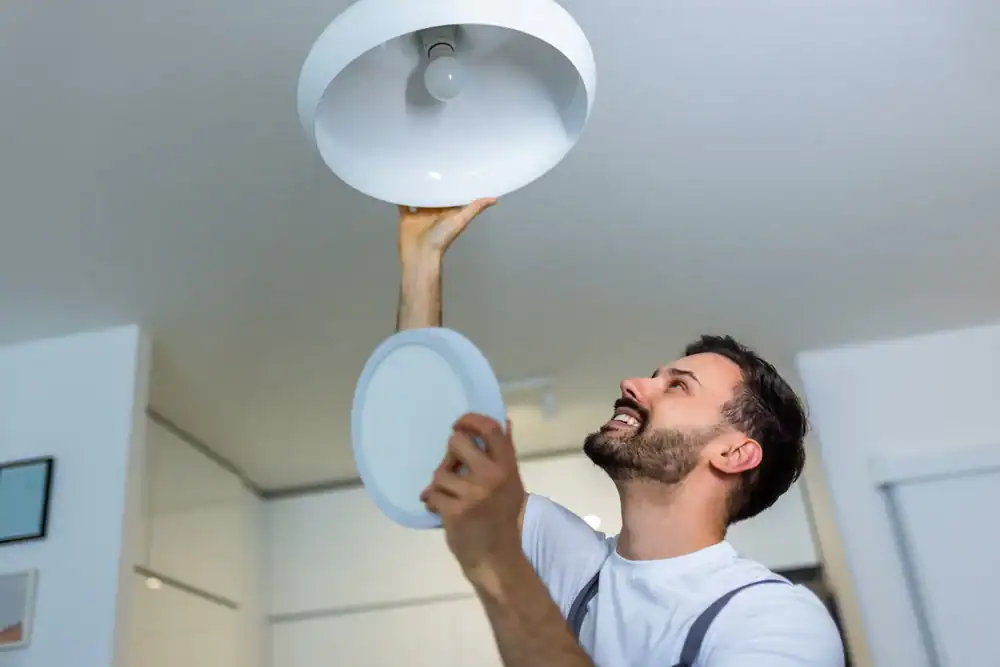
Lighting installations include recessed lighting, ceiling fans, exterior security lighting, and landscape lighting. We handle the wiring, mounting, and switch installation. For homes with older wiring, we often need to run new circuits to support additional lighting load safely.
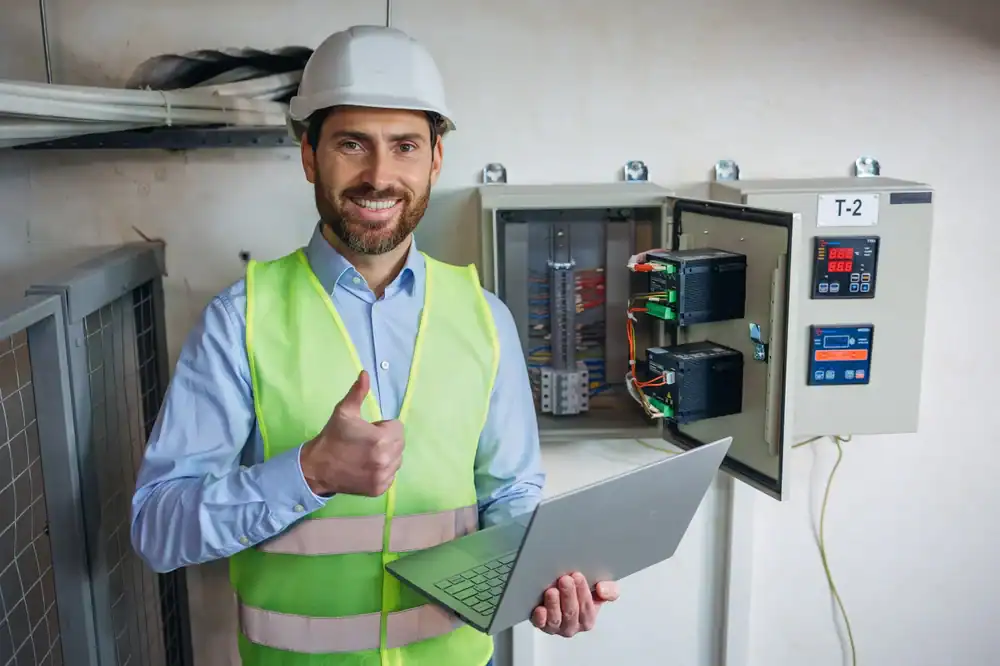
Panel upgrades in Forest Hill typically run between $1,800 and $3,500 depending on your current setup and what you need. A straightforward swap from a 100-amp to 200-amp panel with similar breaker count falls on the lower end. If your meter base needs updating, you’re adding circuits, or the utility company requires service line upgrades, costs increase.
The permit fee in Forest Hill runs about $150-200. Your utility provider—likely Oncor—charges a fee for the temporary disconnect and reconnect, usually $100-150. These costs are separate from the installation labor and materials.
Most panel upgrades take one full day. We shut off power for 2-4 hours during the actual panel swap. The rest of the work happens with power on. You’ll need to be home for the utility company’s disconnect and reconnect appointments, which we coordinate for you.
Yes, for most electrical work beyond simple repairs. Panel upgrades, new circuits, generator installations, and major wiring projects all require permits in Forest Hill. The city wants to ensure electrical work meets current National Electrical Code standards and local requirements.
Simple repairs like replacing a broken outlet or switch don’t typically require permits. But if you’re adding new circuits, moving wiring, or upgrading service capacity, you need a permit. We pull these permits as part of the job—it’s included in our service.
The inspection happens after we complete the work. The city inspector checks that everything meets code, the connections are proper, and the installation is safe. If something doesn’t pass, we fix it and call for a re-inspection. You receive documentation showing the work passed inspection, which matters for insurance claims, home sales, and your own peace of mind.
Simple repairs take 1-2 hours. Replacing outlets, fixing a tripped circuit, or installing new switches happens quickly. More complex repairs—like tracing a short circuit, replacing damaged wiring inside walls, or fixing multiple problem areas—can take 3-6 hours or require a second visit.
The age of your home affects repair time. Older Forest Hill homes often have wiring that’s been modified multiple times over decades. Finding the source of a problem sometimes means tracing circuits through additions and renovations. Newer homes have more straightforward wiring layouts that make troubleshooting faster.
Emergency repairs get priority scheduling. If you’ve lost power to part of your home, have a sparking outlet, or smell burning, we treat that as urgent. Non-emergency repairs get scheduled within a few days typically. We give you a time window and call when we’re heading your way so you’re not waiting around all day.
A licensed electrical contractor has passed state examinations, carries proper insurance, and is legally authorized to perform electrical work in Texas. We’re required to follow current electrical codes, pull permits for major work, and stand behind our installations with proper warranties.
Handymen can legally perform minor electrical repairs in Texas, but they can’t do major electrical work, pull permits, or perform installations requiring inspections. If something goes wrong with unpermitted electrical work, your homeowner’s insurance may deny claims related to electrical fires or damage.
Licensed contractors also carry liability insurance and workers’ compensation coverage. If someone gets hurt on your property during electrical work, or if the work causes damage, you’re protected. Unlicensed workers don’t carry this coverage, which puts you at financial risk if something goes wrong.
The quality difference shows up over time. Properly installed electrical work lasts decades. Shortcuts—wrong wire gauge, improper connections, missing grounds—create safety hazards and failures down the road. You’re not just paying for the immediate repair, you’re paying for work that won’t create bigger problems later.
Breakers trip when the circuit draws more current than it’s rated to handle. If you’re running your microwave, toaster, and coffee maker on the same kitchen circuit, you’re probably exceeding the 15 or 20-amp limit. The breaker does its job by shutting off before the wire overheats.
In Forest Hill’s summer heat, AC systems draw maximum power. If your AC shares a circuit with other loads, or if the AC unit itself is struggling and drawing excess current, breakers trip repeatedly. This often indicates your electrical system needs more capacity or the AC unit needs service.
Old breakers also fail over time. A breaker that’s tripped hundreds of times over 20-30 years wears out and becomes sensitive—tripping at lower currents than it should. Replacing the breaker solves the problem if the circuit itself isn’t actually overloaded.
Sometimes the problem is a short circuit or ground fault somewhere in the wiring. This requires troubleshooting to locate the fault—checking outlets, switches, and wire connections until we find where the problem originates. Once located, we repair the damaged wiring or connection and the tripping stops.
If you’re running a 100-amp panel and experiencing frequent breaker trips, struggling to add new circuits, or planning to add major appliances or an EV charger, upgrading makes sense. Modern homes typically need 200-amp service to handle AC, electric heating, kitchen appliances, and electronics simultaneously.
Forest Hill’s deregulated electricity market means you can choose providers based on rates and plans. A 200-amp panel doesn’t increase your electric bill—you only pay for power you actually use. But it gives you the capacity to run everything you need without constantly managing which appliances you can use at once.
The upgrade also increases your home’s value and makes it easier to sell. Home inspectors flag undersized electrical panels as concerns. Buyers worry about whether the electrical system can handle their needs. A modern 200-amp panel removes that objection and shows the home’s electrical system is properly updated.
If you’re planning any major home improvements—kitchen remodel, adding a home office, installing a generator—do the panel upgrade first. It’s much easier and cheaper to upgrade the panel once than to do it in stages. You’ll need the capacity anyway, and doing it upfront prevents having to redo work later.