
Hear from Our Customers

You stop worrying about whether that breaker will trip again when the AC kicks on. You’re not replacing electronics every time a storm rolls through Dallas County. Your lights don’t flicker when someone plugs in the coffee maker.
That’s what happens when an electric repair company finds the root cause instead of slapping a band-aid on symptoms. Your panel can handle what you’re asking it to do. Your wiring isn’t a fire hazard. Your surge protector actually works when lightning hits—and in Dallas County, TX, that’s not a question of if, but when.
Most homes here were wired decades ago for a fraction of the load you’re running now. Add in Texas storms, aging infrastructure, and the fact that most panels weren’t built for smart homes and electric vehicles, and you’ve got a system that’s barely keeping up. The best electrical service doesn’t just fix what’s broken—it makes sure your home can handle what’s next.
We’ve been serving Dallas County for over 25 years. We’re a family-owned electrical contractor, which means when you call, you’re talking to people who’ve been in this business long enough to know what actually works—and what doesn’t.
We’re not the cheapest option, and we’re fine with that. You’re paying for licensed electricians who use commercial-grade materials, explain what’s wrong in plain English, and don’t leave until the job’s done right. We hold an A+ rating with the Better Business Bureau and multiple Super Service Awards because we show up, do the work, and don’t cut corners.
Dallas County homeowners deal with specific challenges: summer heat that pushes HVAC systems to the limit, storms that knock out power and fry electronics, older homes with 100-amp panels trying to run 200-amp loads. We’ve seen it all, and we know how to fix it.

You call or text, and we schedule a time that works for you—usually within a day or two, faster if it’s urgent. When we show up, we’re on time, and we actually listen to what’s going on. Flickering lights? Tripping breakers? Outlets that don’t work? We ask questions, check the panel, test circuits, and figure out what’s really happening.
Then we explain it. Not in electrician-speak, but in terms that make sense. If your panel’s outdated, we’ll tell you why upgrading matters and what it costs before we touch anything. If you need wiring services because your home’s electrical system can’t handle modern appliances, we walk you through what that looks like.
Once you approve the work, we get it done. We use UL-listed parts, follow code, and clean up when we’re finished. If it’s a bigger job—like a whole-house surge protector or a generator install—we map out a timeline so you know what to expect. No surprises, no shortcuts. Just electrical work that lasts.

Ready to get started?
When you hire the best electrical company in Dallas County, TX, you’re getting more than someone who knows how to wire an outlet. You’re getting a licensed electrical contractor who understands that your 1980s panel wasn’t designed for today’s electrical load—and knows how to upgrade it safely.
You’re getting someone who installs whole-house surge protection because Dallas storms don’t care how much your electronics cost. Someone who can wire a backup generator so you’re not sitting in the dark when the power goes out for the fifth time this year. Someone who checks for aluminum wiring, outdated breakers, and code violations that most homeowners don’t even know exist.
In Dallas County, where summer temps push HVAC systems to the max and storms roll through without warning, your electrical system has to work. That means panels that don’t overheat, circuits that don’t trip when you run the dryer and microwave at the same time, and wiring that can handle what you’re plugging in. It also means transparency—you know what the job costs before we start, and you’re not stuck with a bill that’s double what you expected.
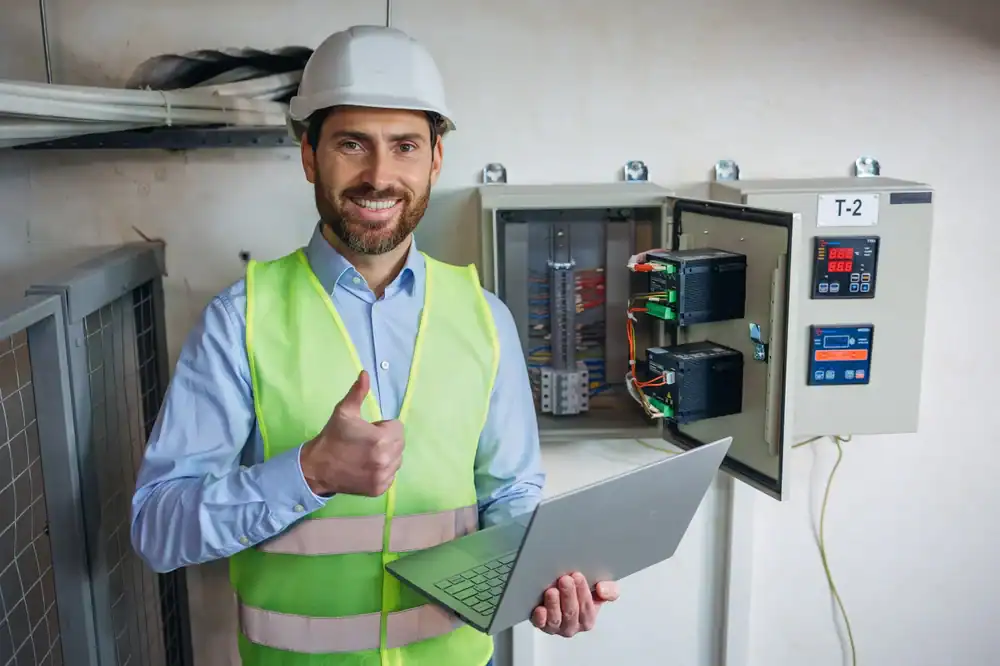
If your breakers trip regularly, your panel feels warm to the touch, or you’re running a 100-amp service in a home with modern appliances, it’s time to upgrade. Most older homes in Dallas County, TX were built with 100-amp panels, which can’t handle the electrical load of HVAC systems, kitchen appliances, computers, and charging stations all running at once.
You’ll also want to upgrade if you’re adding square footage, installing a hot tub, or putting in an electric vehicle charger. We can assess your current load, calculate what you actually need, and recommend a 200-amp panel if that’s what makes sense. Upgrading isn’t just about convenience—it’s about safety. Overloaded panels overheat, and that’s a fire risk you don’t want to ignore.
A power strip with surge protection only covers what’s plugged into it—and it’s not designed to handle the kind of voltage spike you get from a lightning strike or a downed power line. A whole-house surge protector gets installed at your electrical panel and protects everything in your home, from your HVAC system to your refrigerator to your TV.
In Dallas County, where storms are frequent and powerful, whole-house protection is the only way to safeguard expensive electronics and appliances. Power surges don’t just come from lightning—they happen when the grid fluctuates, when heavy appliances cycle on and off, or when transformers fail. A whole-house system stops those surges before they reach your devices, which means fewer repairs and longer lifespans for everything plugged in.
For a standby generator with an automatic transfer switch, you’re looking at one to three days depending on the size of the system and how much prep work is needed. We have to run a gas line (or propane, depending on your setup), install the transfer switch at your panel, wire everything to code, and test the system to make sure it kicks on when the power goes out.
Permitting and inspections add time, but we handle that for you. Once it’s installed, your generator monitors your power supply and switches on automatically within seconds of an outage—no need to go outside and flip a switch. Given how often Dallas County loses power during storms, a backup generator isn’t a luxury—it’s a way to keep your food from spoiling, your sump pump running, and your family comfortable when everyone else is in the dark.
Flickering lights usually mean your electrical system is struggling to handle the load. When a high-draw appliance like an air conditioner, space heater, or microwave kicks on, it pulls a surge of power. If your wiring or panel can’t supply that power smoothly, your lights dim or flicker because they’re sharing the same circuit.
This is common in older Dallas County homes where the wiring services weren’t designed for modern electrical demands. Sometimes it’s a loose connection, sometimes it’s an undersized wire, and sometimes it’s a panel that’s maxed out. We can test your circuits, check your panel capacity, and tell you whether you need a dedicated circuit for that appliance or a full panel upgrade. Ignoring it isn’t just annoying—it’s a sign your system is overloaded, and that can lead to overheating or electrical fires.
Turn off the breaker to that circuit immediately and call us. A burning smell means something’s overheating—loose wiring, a failing outlet, or a breaker that’s about to fail. This is not a wait-and-see situation. Electrical fires start small, and by the time you see smoke, the damage is already done.
In Dallas County, TX, where older homes often have outdated wiring, burning smells are more common than they should be. Aluminum wiring, which was used in many homes built in the 60s and 70s, expands and contracts with temperature changes, leading to loose connections that heat up over time. We’ll inspect the outlet, check for code violations, and replace any components that are failing. If the problem is deeper—like old wiring throughout the house—we’ll walk you through what needs to happen to make your home safe.
Rewiring costs vary depending on the size of your home, how accessible your wiring is, and whether you’re doing a full rewire or just updating specific circuits. For a typical Dallas County home, you’re looking at anywhere from a few thousand dollars for partial updates to significantly more for a complete rewire of a larger home. It’s not cheap, but it’s necessary if your wiring is outdated, unsafe, or can’t handle your electrical load.
We’ll give you an upfront estimate after inspecting your home and explaining what needs to be done. If your home has aluminum wiring, knob-and-tube wiring, or a panel that’s decades old, rewiring isn’t just about meeting code—it’s about protecting your family from electrical fires. Most homeowners don’t rewire unless they’re remodeling or dealing with serious safety issues, but if we recommend it, it’s worth listening.